Why does CBE JU matter?

CBE JU plays a key role in building Europe’s bioeconomy by supporting the transition from fossil-based to bio-based production. Through targeted investment, the partnership de-risks investments, supports industrial scale-up and ensures the sustainable use of biomass, creating long-term value for Europe’s economy, environment and regions.

25386_CBE_Website-Infographics_v03_RC_Page 2 - 1.png

The CBE JU country & organisation participation dashboard provides a clear, interactive overview of how EU Member States and associated countries are involved in CBE JU-funded projects.

Through its support to the bio-based sector, CBE JU contributes to the wider development of Europe’s bioeconomy by:

  • Advancing industrial activities to increase the EU’s competitiveness and reduce dependency on strategic imports.
  • Creating jobs and boosting local economies, in particular in rural and coastal areas.
  • Contributing to the EU’s climate and environmental goals.
  • Enhancing market conditions and reducing investment risks for bio-based solutions and services.
  • Enabling efficient, circular technologies.
  • Engaging all actors in the bio-based value chain, from primary producers to industry, and building sustainable value chains throughout Europe.
Creating value through funding

CBE JU funding attracts private investment and validates scalable bio-based innovations, empowering SMEs to grow technologies, expand markets and lead Europe’s green economy. Together, these efforts create long-term economic, environmental and social value across the continent.

  1. .

    De-risking and attracting private investment

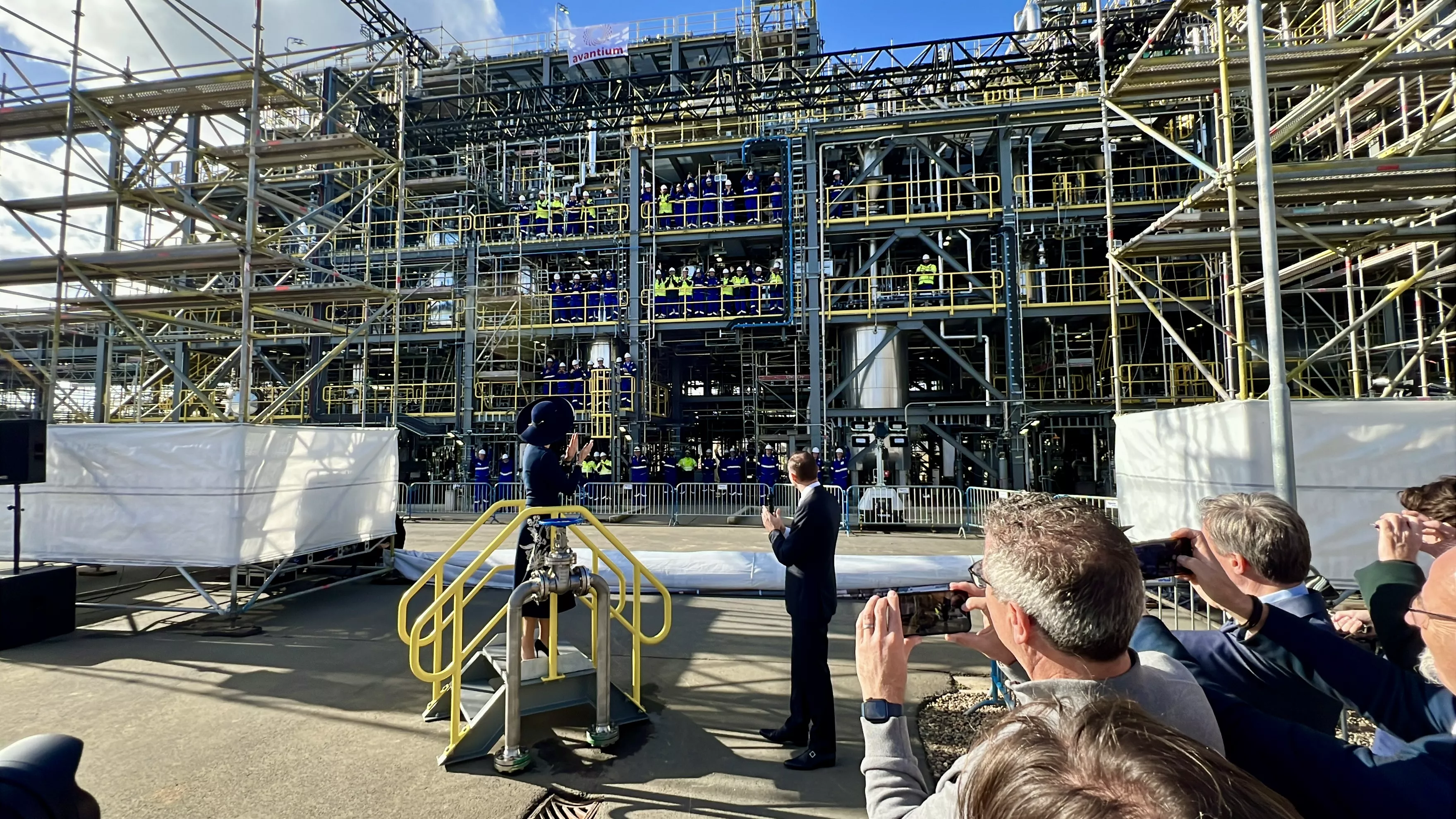
    CBE JU funding enables first-of-their-kind biorefineries across Europe that would otherwise struggle to secure financing. By de-risking, CBE JU attracts €3.5 in private investment for every euro of public funding, boosting investor confidence, supporting industrial scale-up and retaining strategic bio-based investments in Europe. Following the CBE JU-funded

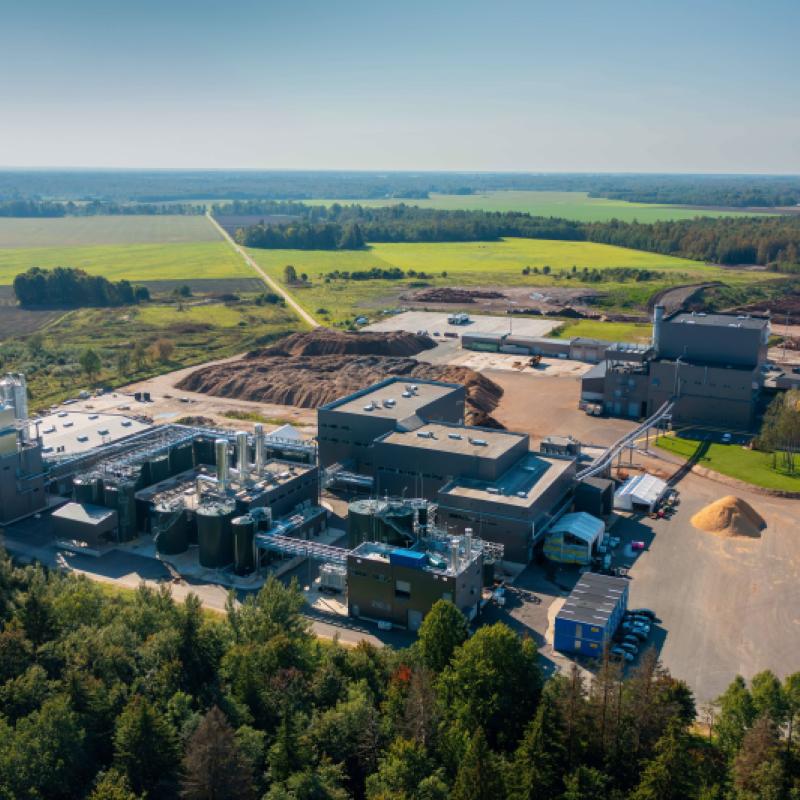
    SWEETWOODS project, its lead partner Fibenol agreed on a €700 million investment to build a commercial-scale biorefinery in Latvia, replicating the project’s successful model at a larger scale.

  2. Validating and scaling up innovation

    CBE JU projects demonstrate that bio-based solutions are economically viable, socially accepted and replicable across Europe. The EMBRACED project in Italy pioneered innovative recycling and biorefinery technologies, inspiring the Treviso recycling plant and enabling replication across multiple sites.

    Learn more: CBE JU-funded EMBRACED project pioneered a new era for biorefineries in Italy  I  Recycling plant in Treviso builds on EMBRACED project success

  3. Empowering SMEs and start-ups

    SMEs are central to CBE JU, representing nearly 40% of all participants and acting as key technology providers and project leaders. By supporting SMEs to develop and scale innovative technologies and business models, CBE JU enhances market access, strengthens strategic value chains and drives Europe’s green economy. 

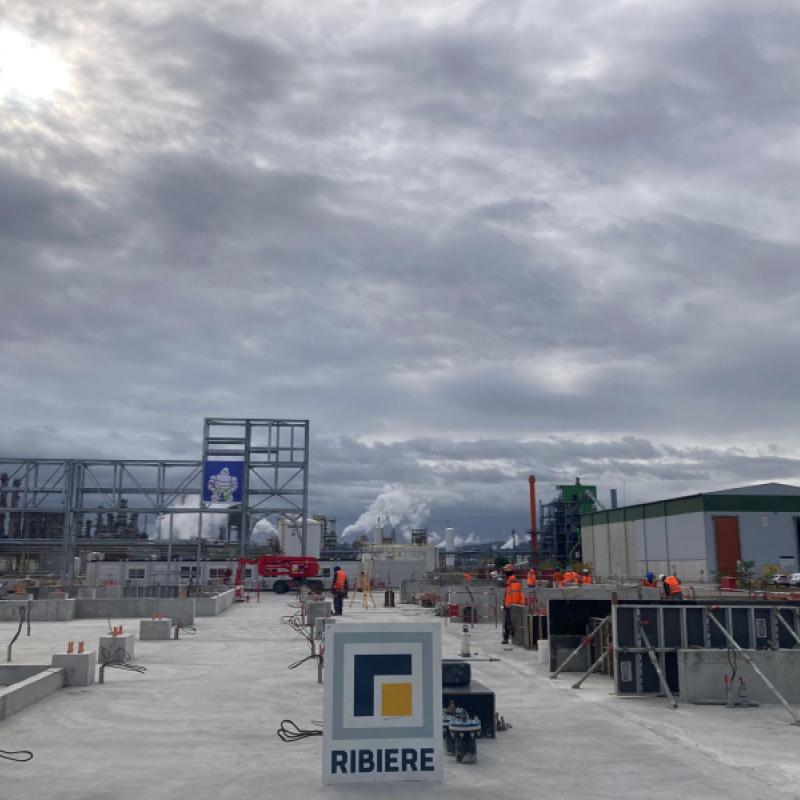
    Beyond industrial biotechnology, SMEs participate across diverse sectors, bringing innovation to chemicals, materials, food and feed, as well as bio-based products. AFTERBIOCHEM in France built a pioneering biorefinery converting sugar beet residues into bio-based chemicals, creating local jobs.

    Learn more:CBE JU: Helping small businesses unlock Europe's bio-based future 

Powering Europe’s biotechnology

Europe needs to strengthen its sustainable production and modernise its industrial base, with biotechnology and biomanufacturing playing a key role in achieving climate neutrality, competitiveness and strategic autonomy. In 'Building the future with nature', the European Commission highlighted the transformative role of these technologies and called for strategic actions to help them grow.

CBE JU supports these goals by funding projects that turn biotechnology into market-ready solutions, acting as a strategic lever for scaling Europe’s biotech innovation. 

We want to create the right environment for this sector to grow and deliver global solutions to societal and environmental problems.

25386_CBE_Website-Infographics_v03_RC_Page 2 - 2.png

Delivering industrial-scale solutions

CBE JU drives Europe’s biomanufacturing capacity with 19 first-of-their-kind industrial-scale flagship biorefineries, delivering highly innovative bio-based solutions for a wide range of sectors while creating jobs, strengthening regional supply chains and boosting local economies.

  • PEFerence produces FDCA, a bio-based chemical used to make recyclable and renewable plastic packaging that can replace fossil-based PET with superior technical and environmental performance compared to its traditional fossil-based counterpart.
  • PLENITUDE has built a sustainable mycoprotein biorefinery process to produce plant-based proteins for food, significantly reducing emissions, resource use and land use compared to traditional animal production.
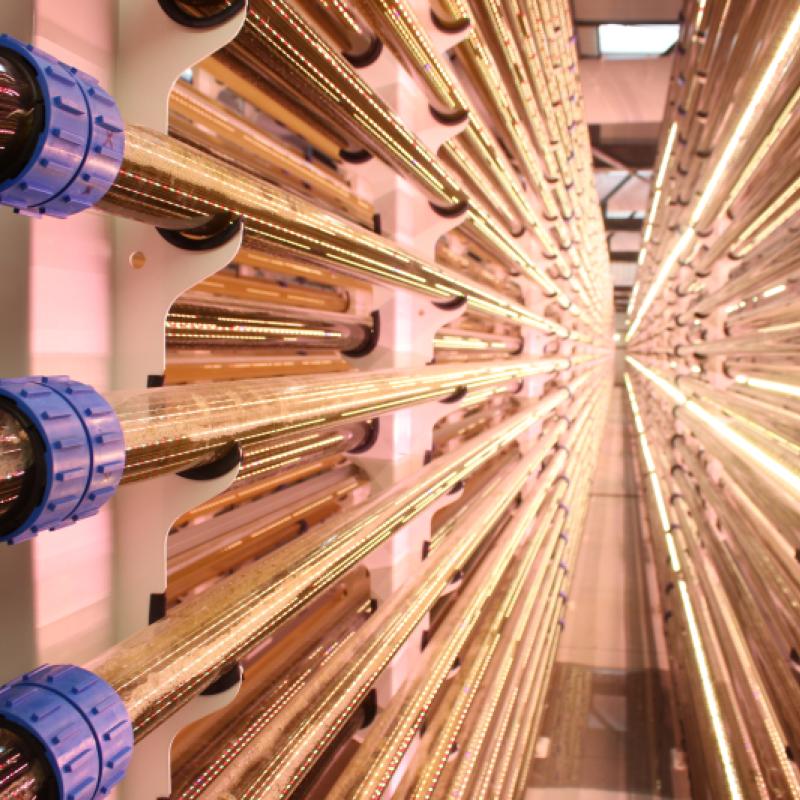
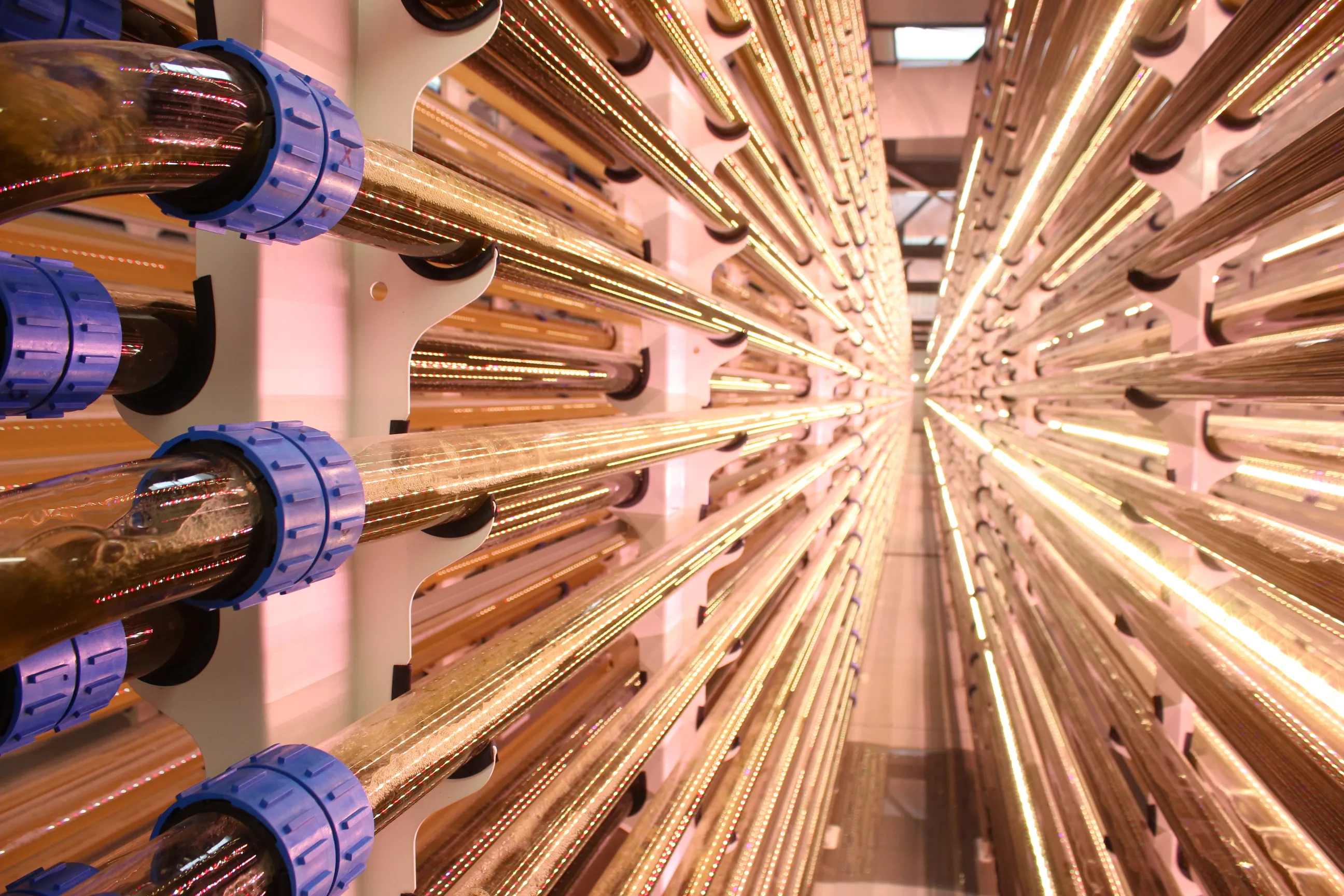
  • SCALE has built the world’s first fully integrated microalgae biorefinery to produce food supplements, animal feed and cosmetic ingredients, capturing CO₂ and minimising land use.

These CBE JU projects make it clear that biotechnology is not confined to niche use cases; it is already penetrating mainstream industrial markets.

Unlocking industrial potential across sectors

25386_CBE_Website-Infographics_v03_RC_Page 2 - 3.png

CBE JU projects are accelerating the transition to a sustainable chemical industry by bringing competitive bio-based solutions to the market. Across Europe, first-of-their-kind biorefineries are converting agricultural and forestry residues into high-value chemicals, materials and polymers, thereby reducing reliance on fossil resources.

  • AFTERBIOCHEM transforms sugar beet residues into organic acids and molecules for flavourings, hygiene products and polymers. The project reinforces Europe’s sugar sector while opening new bio-based markets.
  • SWEETWOODS converts hardwood residues into high-value sugars and lignin. These bio-based building blocks are used in resins, bio-based plastics and asphalt, demonstrating high resource efficiency and multiple industrial applications.
  • CERISEA develops a cost-effective, industrial-scale process to produce 5-HMF from non-food sidestreams, enabling large-scale manufacturing of bio-based chemical ingredients.
  • CIRCLE has upgraded an existing biogas plant to convert food waste and biomass into high-value bio-based chemicals such as lactic acid and PLA-based products, strengthening Europe’s circular bio-based industry.

Learn more

CBE JU-funded projects promote the uptake of bio-based materials in construction to reduce the sector’s carbon footprint. By transforming renewable resources and industrial by-products, these projects support more sustainable buildings while enhancing circularity and resource efficiency.

  • VIOBOND (Latvia) produces lignin-based adhesives that replace fossil-based formaldehyde resins in plywood manufacturing, coatings, sandpaper, adhesives and glass wool thermal insulation binders, reducing emissions in the construction sector.

CBE JU fosters bio-based alternatives to conventional agrochemicals that support resilient and sustainable farming systems. These projects deliver innovative solutions that protect crops, improve soil health and reduce environmental impacts, contributing to more sustainable agricultural practices.

  • SUSFERT has developed bio-based fertilisers that improve soil health while creating new business opportunities for farmers, showing how innovation can directly benefit local communities.

CBE JU projects develop bio-based ingredients for food, feed and cosmetics by transforming renewable resources and sidestreams. These innovations help deliver high-quality consumer products while reducing reliance on fossil-based inputs and supporting circular bioeconomy value chains.

  • RURAL BIOREFINERIES supports the European grassland farmers by creating alternative income sources through small-scale, decentralised green biorefineries, strengthening rural economies and resilience. 

CBE JU projects address market, policy and societal challenges that affect the deployment of bio-based products. By strengthening value chains, informing policy frameworks and raising awareness among stakeholders and citizens, these actions help create favourable conditions for scaling up the bioeconomy.

CBE JU supports the development of bio-based packaging solutions that reduce waste and environmental impact. By replacing fossil-based materials and improving recyclability, these projects contribute to more circular and sustainable packaging systems.

CBE JU funds projects that unlock the potential of current technological advancements in several areas, spanning materials science, biotechnology, process and environmental engineering, manufacturing systems and digital technologies, to address the challenges in Europe’s bio-based textiles sector. These projects deliver innovative textiles by replacing fossil-based fibres and chemicals with high-quality bio-based alternatives, while enhancing circularity through the development of efficient recycling technologies. 

  • ECOFUNCO (Italy) designs bio-based coatings for textiles, replacing fossil-based chemicals and improving recyclability.

Other projects test fibres made from algae and residues to broaden Europe’s sustainable textile supply.

Learn more

Delivering benefits to citizens and businesses

CBE JU-funded projects translate bio-based innovation into tangible benefits for people, businesses and regions across Europe. By supporting sustainable industries and resilient value chains, the partnership helps strengthen local economies while contributing to Europe’s green transition and competitiveness.

25386_CBE_Website-Infographics_v03_RC_Page 2 - 4.png


From impact to everyday practice

CBE JU projects are turning bio-based innovation into real products and regional impact. 

  • Through the CBE JU-funded WASTE2FUNC project, Ecover has launched multi-surface and toilet cleaners, demonstrating how food waste can be transformed into high-performance cleaning products while reducing carbon emissions. Already available to consumers, these products show how bio-based solutions can compete on cost and fit seamlessly into daily life without compromising effectiveness.
  • Beyond consumer goods, CBE JU-funded projects also support small and medium-sized enterprises (SMEs) in bringing bio-based products to market and strengthening European value chains. At a regional level, the  EMBRACED project demonstrated for the first time that absorbent hygiene product waste, long considered non-recyclable, can be transformed into valuable bio-based materials through an innovative biorefinery model. This breakthrough directly influenced public investment, leading Italy to allocate over €109 million to scale up biorefineries nationwide, create jobs, improve waste management and position the country as a leader in the circular bioeconomy.

From sustainable consumer products already on the market to industrial biorefineries that create jobs and attract investment, CBE JU helps de-risk innovation, strengthen European value chains and accelerate the transition to a circular, competitive and resilient bioeconomy in Europe.