PEFerence
From bio-based feedstocks via di-acids to multiple advanced bio-based materials with a preference for polyethylene furanoate
From bio-based feedstocks via di-acids to multiple advanced bio-based materials with a preference for polyethylene furanoate
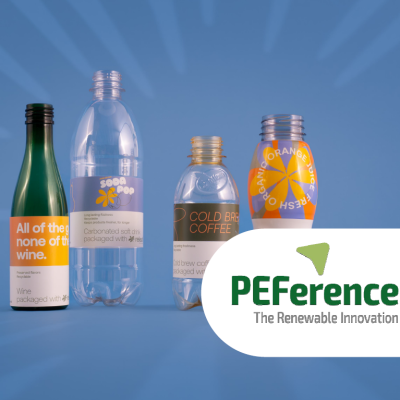
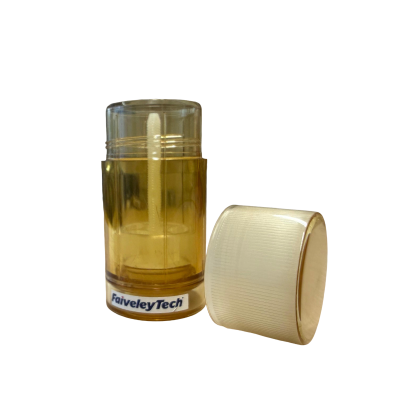
Polyethylene furanoate (PEF) is a promising alternative to traditional plastics: a 100% renewable, bio-based polyester that can cut greenhouse gas emissions by up to 33% compared with fossil-based PET. It is up to 10 times more effective than PET as a barrier to oxygen and 16 times more effective against CO₂, extending product shelf life and reducing waste. PEF can be used for containers, films, cosmetic packaging and adhesives, and it is recyclable in existing mechanical recycling assets.
The PEFerence project built the world's first industrial-scale (5,000 tonnes per year) and cost-effective biorefinery flagship plant inaugurated in October 2024. The plant produces bio-based 2,5-furandicarboxylic acid (FDCA), the key monomer for PEF, using existing facilities in industrial symbiosis. Most production units are now operational, with commercial sales expected at the end of 2026. By establishing the first commercial FDCA plant and proving a complete PEF value chain, the project showed that bio-based plastics can be scaled up and commercialised.
Flagship plant: Engineer and build an industrial-scale, cost-effective biorefinery plant producing purified FDCA (5,000 tonnes per year).
Fossil replacement: Replace a significant share of fossil-based materials and monomers with bio-based PEF and its building block FDCA.
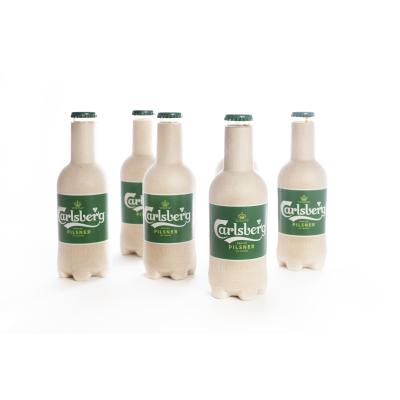
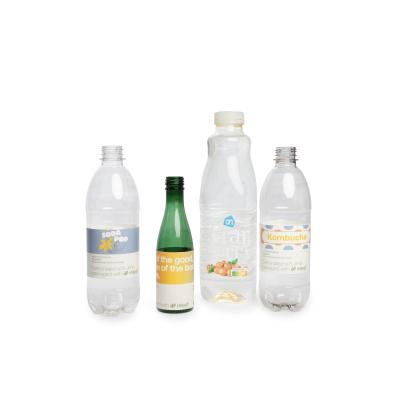
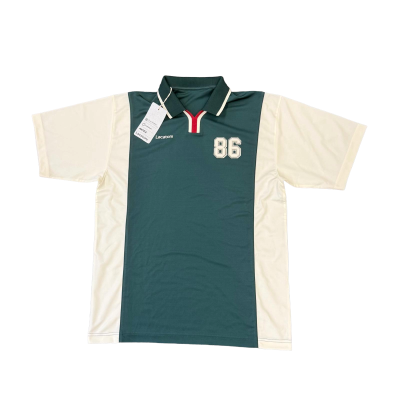
Application validation: Validate PEF in end-user applications, including bottles, films, fibres and adhesives, and demonstrate other bio-based materials based on FDCA (PBF and polyurethanes).
Value chain: Prove the full bio-based value chain, from raw material sourcing to PEF end products, and prepare it for deployment.
Commercialisation: Commercialise the 100% bio-based products demonstrated in the project.
Sustainability assessment: Evaluate the environmental and socio-economic performance of the developed products.
Results
World’s first commercial FDCA plant: Built and commissioned a first-of-a-kind, 5,000 tonnes per year flagship plant that makes bio-based FDCA using existing facilities in industrial symbiosis.
Second-generation feedstocks: Pilot trials with sugar sources such as wood biomass gave promising results.
Complete PEF value chain: Proved the full chain from FDCA to 100% bio-based, recyclable PEF and validated its applications.
Industrial compatibility: Trials on standard equipment showed that PEF can run on current production lines with only minor adaptations to process conditions.
Supporting evidence: Generated validated data, regulatory approvals and sustainability assessments for regulators, policymakers and researchers.
Impacts
Environmental: Reduces greenhouse gas emissions by up to 33% compared with fossil-based PET, and cuts material waste through better shelf life.
Performance: Offers better barrier, mechanical and thermal properties than PET, and is recyclable in existing mechanical recycling assets.
Economic: Lowers capital expenditure and implementation risk, since manufacturers can integrate PEF into existing production lines.
Competitiveness: Helps Europe compete by producing better, more differentiated plastics rather than higher volumes, and secure critical bio-based building blocks such as FDCA.
Market: Benefits industrial producers, value-chain actors and brand owners seeking high-performance bio-based alternatives to fossil-based plastics.
Policy: Aligns industrial competitiveness with EU climate and circularity goals.