Publication date:
What do coffee capsules, car components, cosmetics, fertilisers and household cleaners have in common? They can be made from Europe’s renewable biological resources instead of imported fossil-based materials. Innovative and sustainable bioproducts are entering a wide range of markets to offer consumers a variety of advantages compared to their fossil-based alternatives and strengthen Europe’s strategic autonomy.
On 7 July, CBE JU marks World Bioproduct Day by highlighting products developed thanks to CBE JU-funded projects. Made from resources, such as agricultural and forestry side-streams, food-processing residues, microalgae, hemp and botanical extracts, these solutions span packaging, agriculture, construction, food, cosmetics, home care and many other applications.
CBE JU has funded 243 projects, supporting the building up of 23 first-of-their-kind biorefineries across Europe, helping bio-based innovation progress from research and demonstration to industrial deployment. Current project reporting points to 141 new bio-based products delivered under BBI JU and 97 circular bio-based products being developed through CBE JU-funded projects. These new materials, ingredients and products can reduce reliance on fossil resources, strengthen European industrial value chains and create economic opportunities across rural, coastal and industrial regions. They also often outperform fossil-based products while offering a more sustainable and healthy alternative.
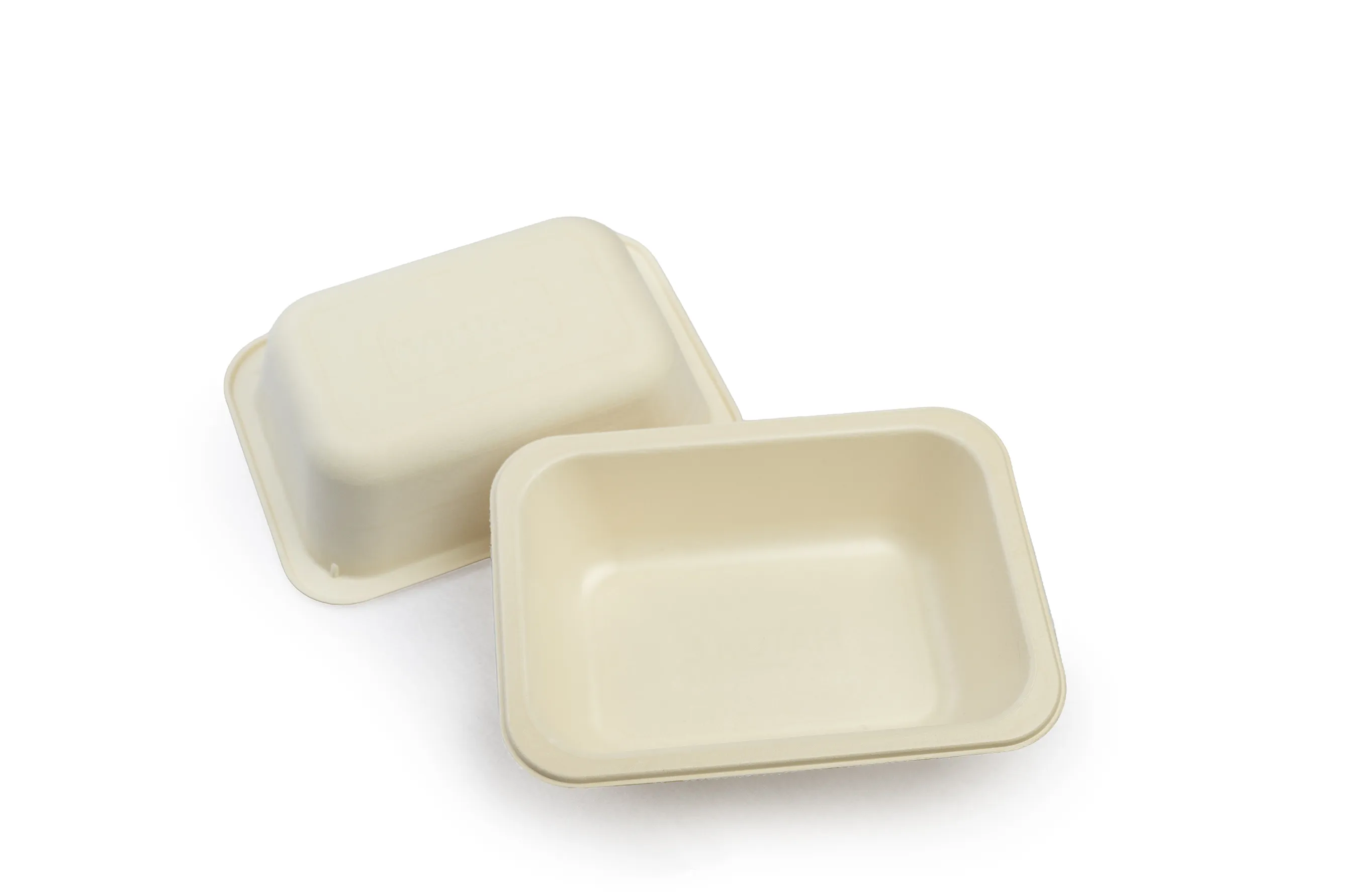
Compostable packaging from agricultural resources
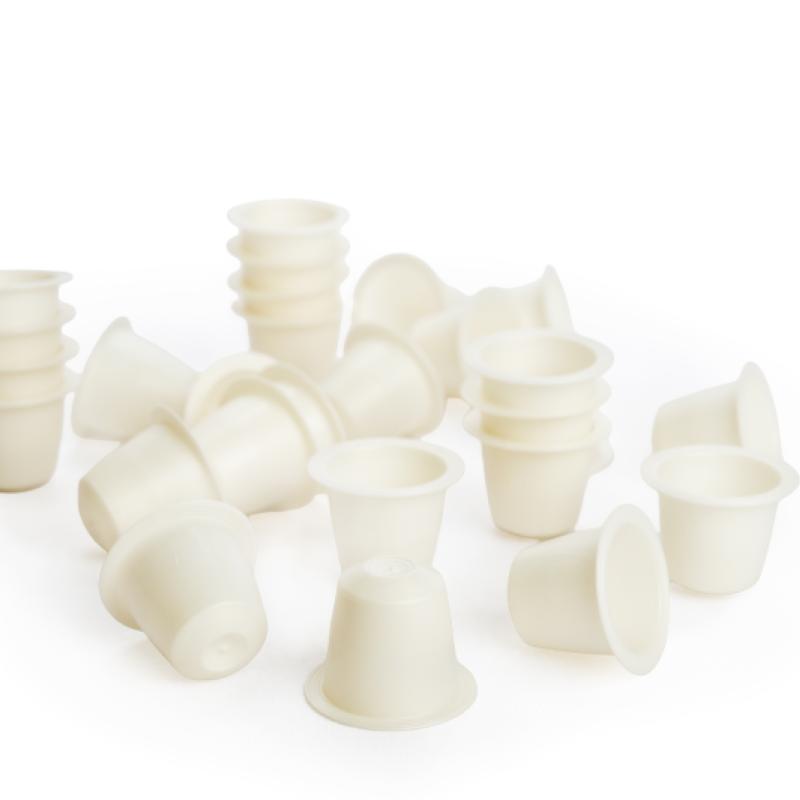
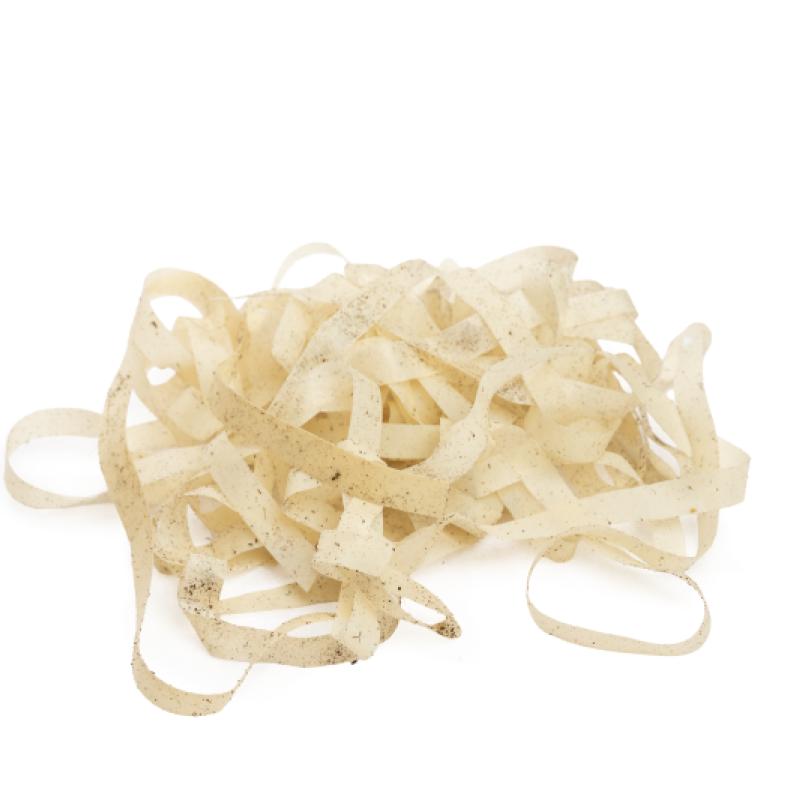
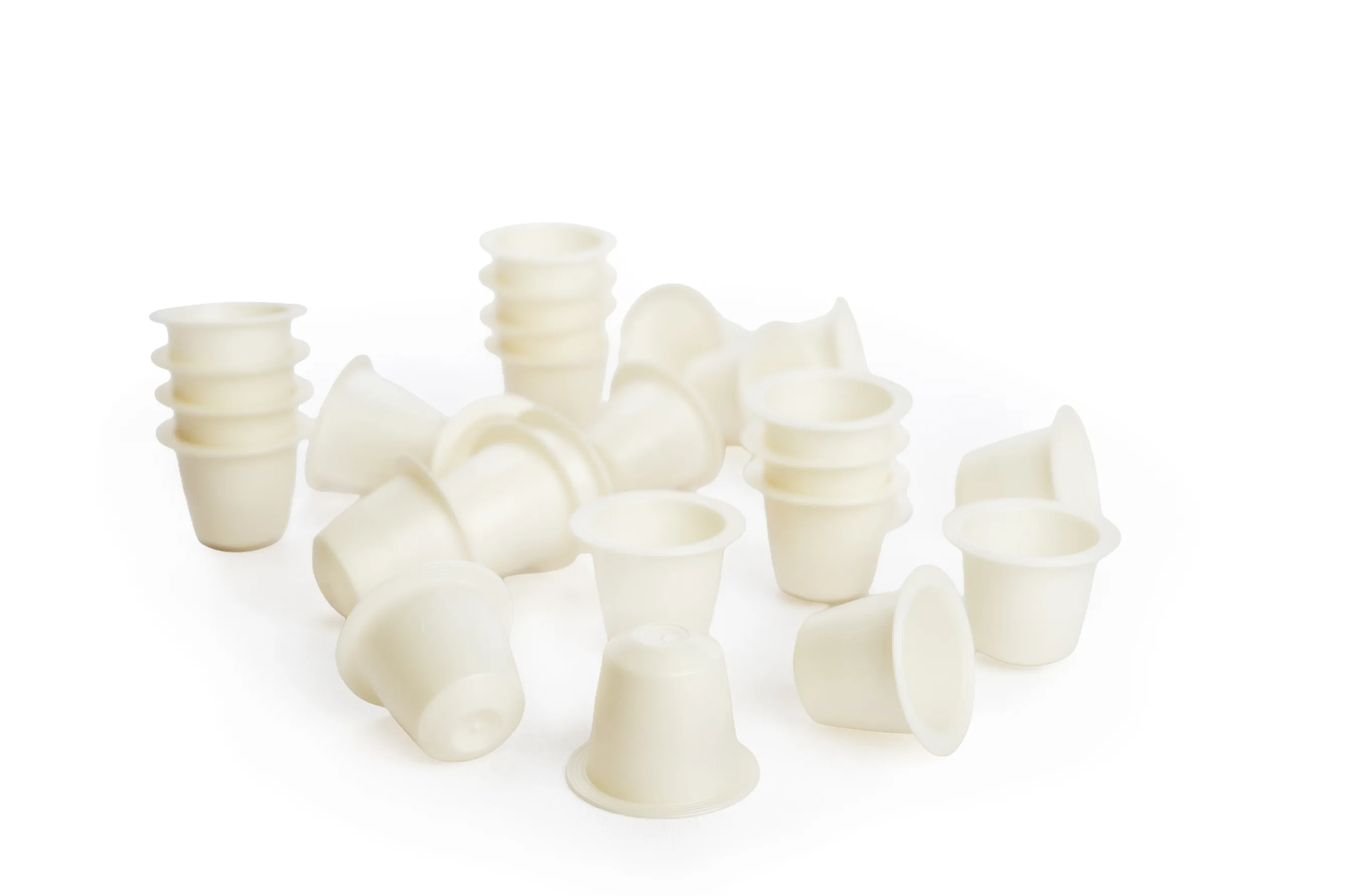
The TERRIFIC flagship project has produced compostable coffee capsules from sugars derived from agricultural side-streams. The materials are designed to contain more than 95% renewable resources while preserving coffee freshness and flavour and withstand the temperatures required to make an excellent espresso. The project is also exploring several end-of-life routes, including recycling, composting, repulping and anaerobic digestion. This offers greater flexibility for different waste-management systems while reducing dependence on fossil-based packaging materials.
Bio-based bottles already on supermarket shelves
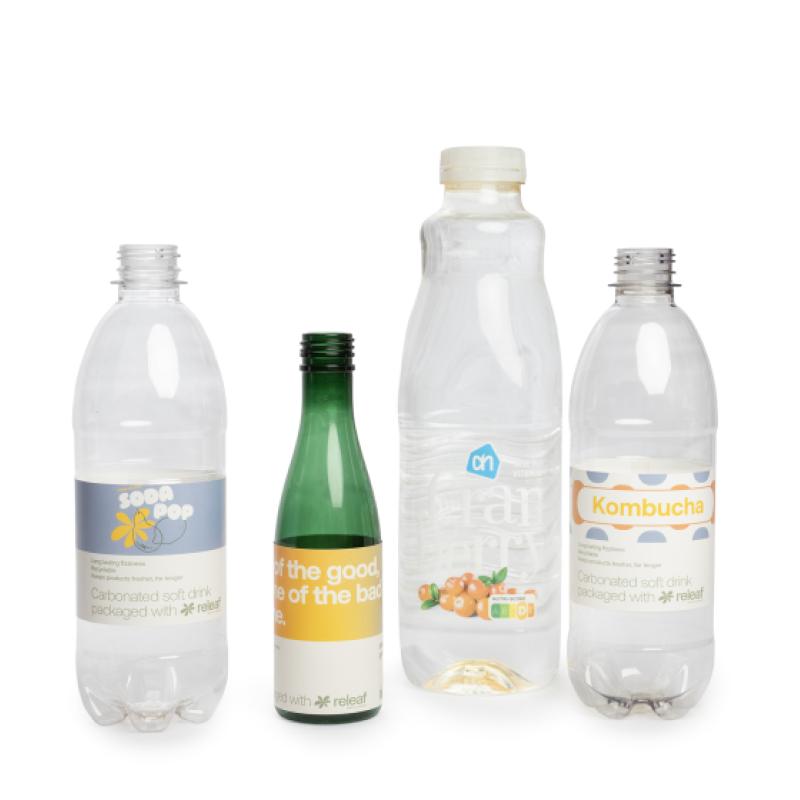
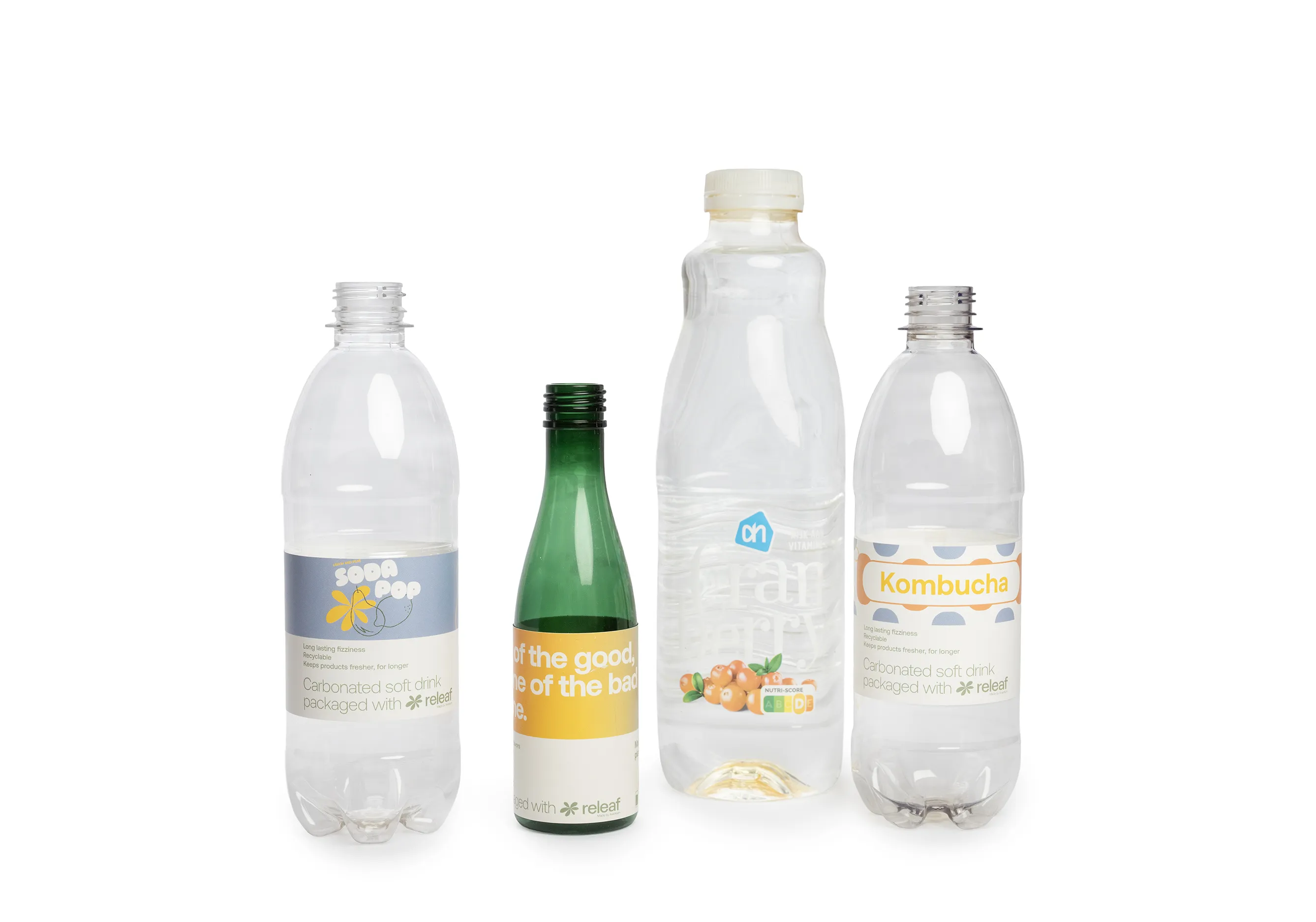
The PEFerence flagship project has developed fully recyclable bottles made from 100% bio-based PEF, marketed as releaf®, using renewable plant-based resources. The material is already used in a lightweight, mono-material bottle available at Albert Heijn supermarkets. The bottle provides a strong oxygen barrier, helping protect product quality and extend shelf life, while reducing reliance on fossil-based plastic. The project has also demonstrated applications for wine and carbonated drinks, including bottles designed to preserve wine quality and improve oxygen and carbon dioxide barriers while remaining compatible with existing production and recycling systems.
Biodegradable materials for crop production
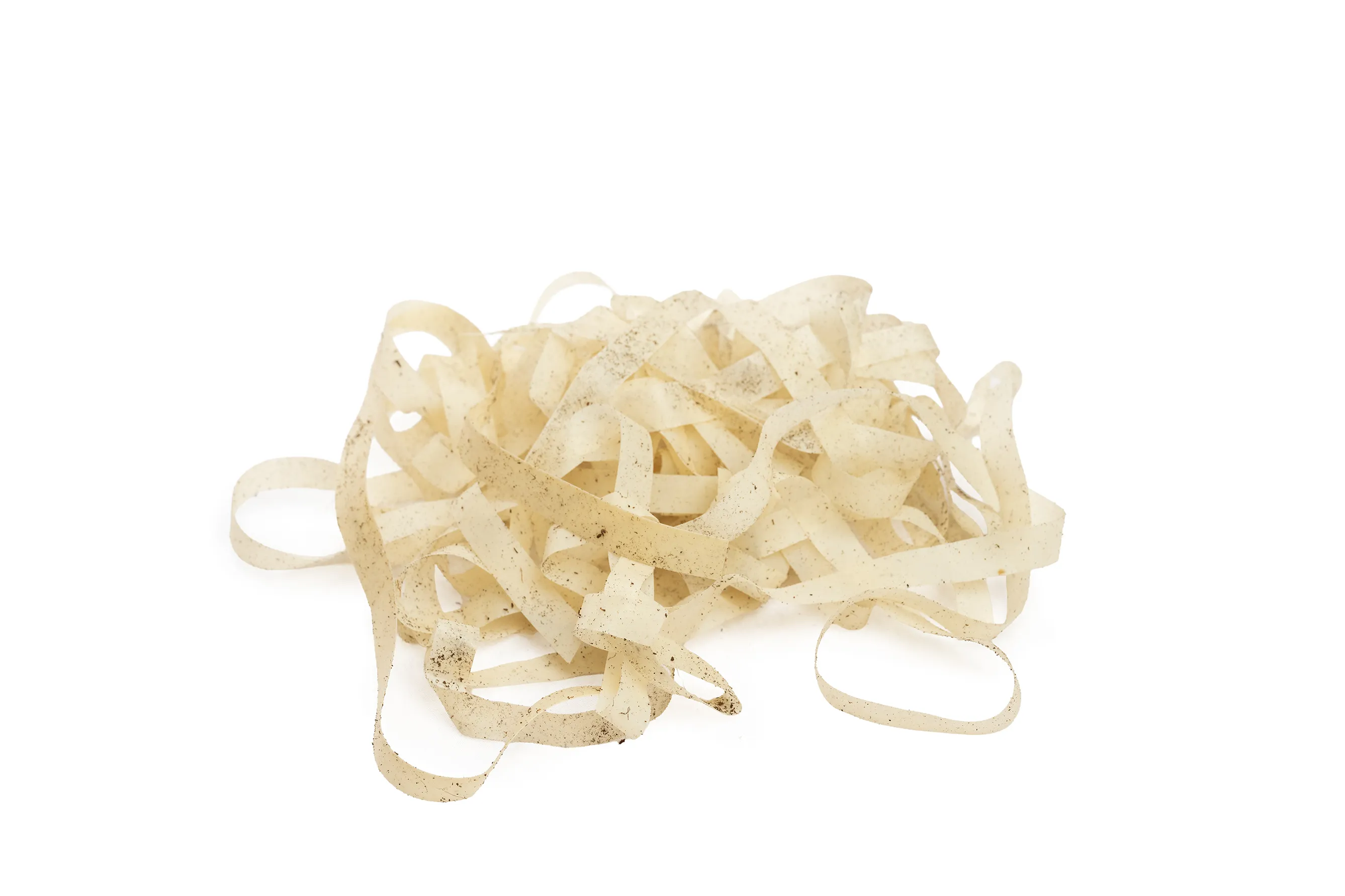
The BRILIAN project has developed mulch films for seed potato cultivation, using starch recovered from potato-processing waste and water from potato-cutting operations. The material is designed to biodegrade within one growing season, offering farmers an alternative to conventional plastic mulch without leaving persistent waste in the field. Better for soil health, and it also creates additional value from side-streams generated by the potato-processing industry.
Biodegradable potato-starch mulching developed within the BRILIAN project optimises seed potato cultivation. Since it degrades naturally, it eliminates removal needs and prevents soil erosion. Furthermore, this circular use of potato starch within the project ensures stable material pricing for the partners, avoiding the high market volatility currently associated with traditional straw mulch.
Laura Villacian, European R&D Project Manager at TECNOPACKAGING
Natural fibres in automotive components
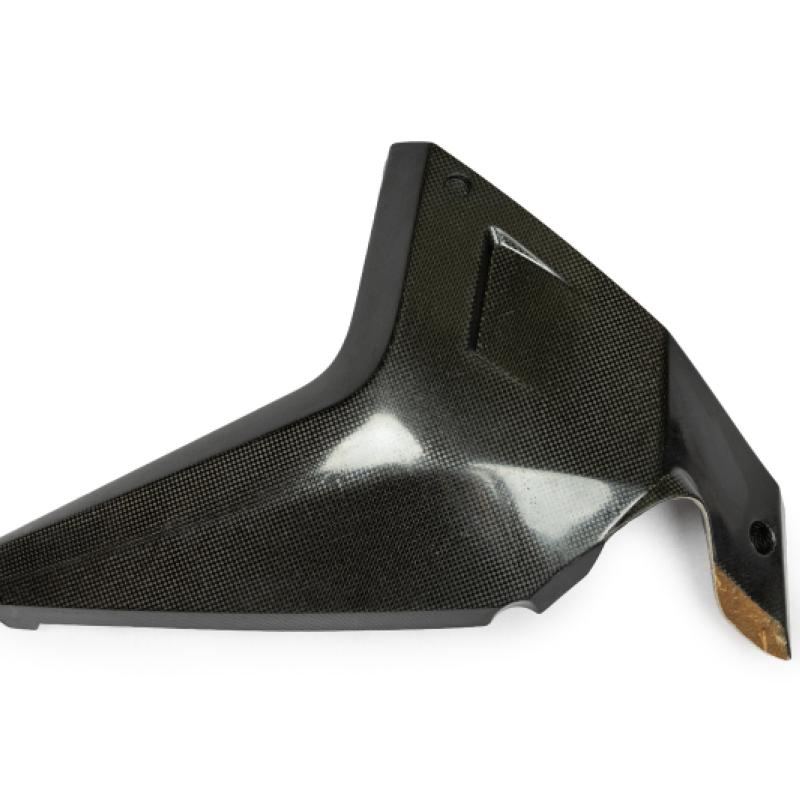
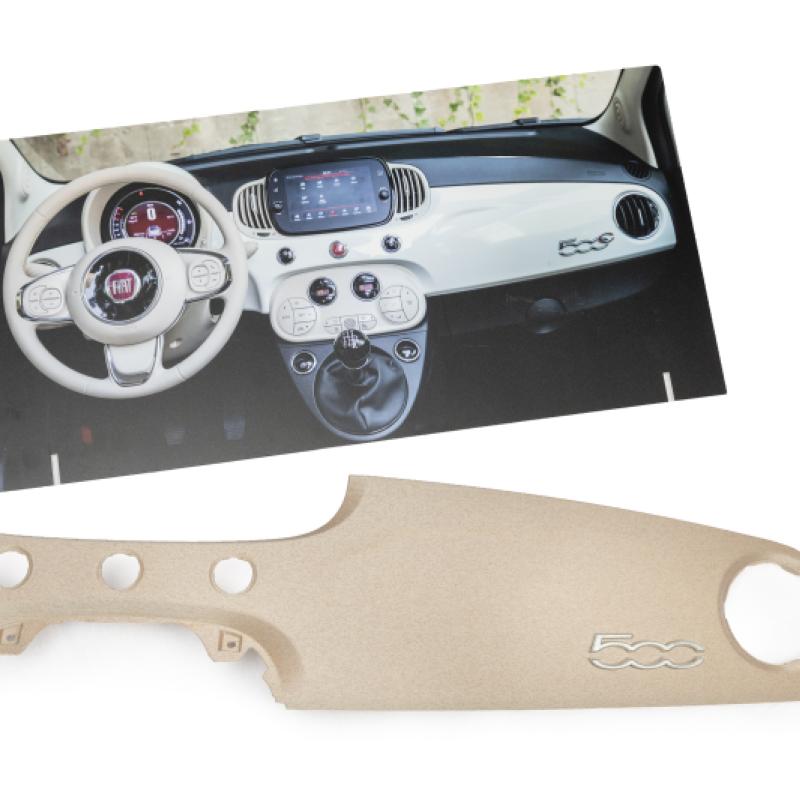
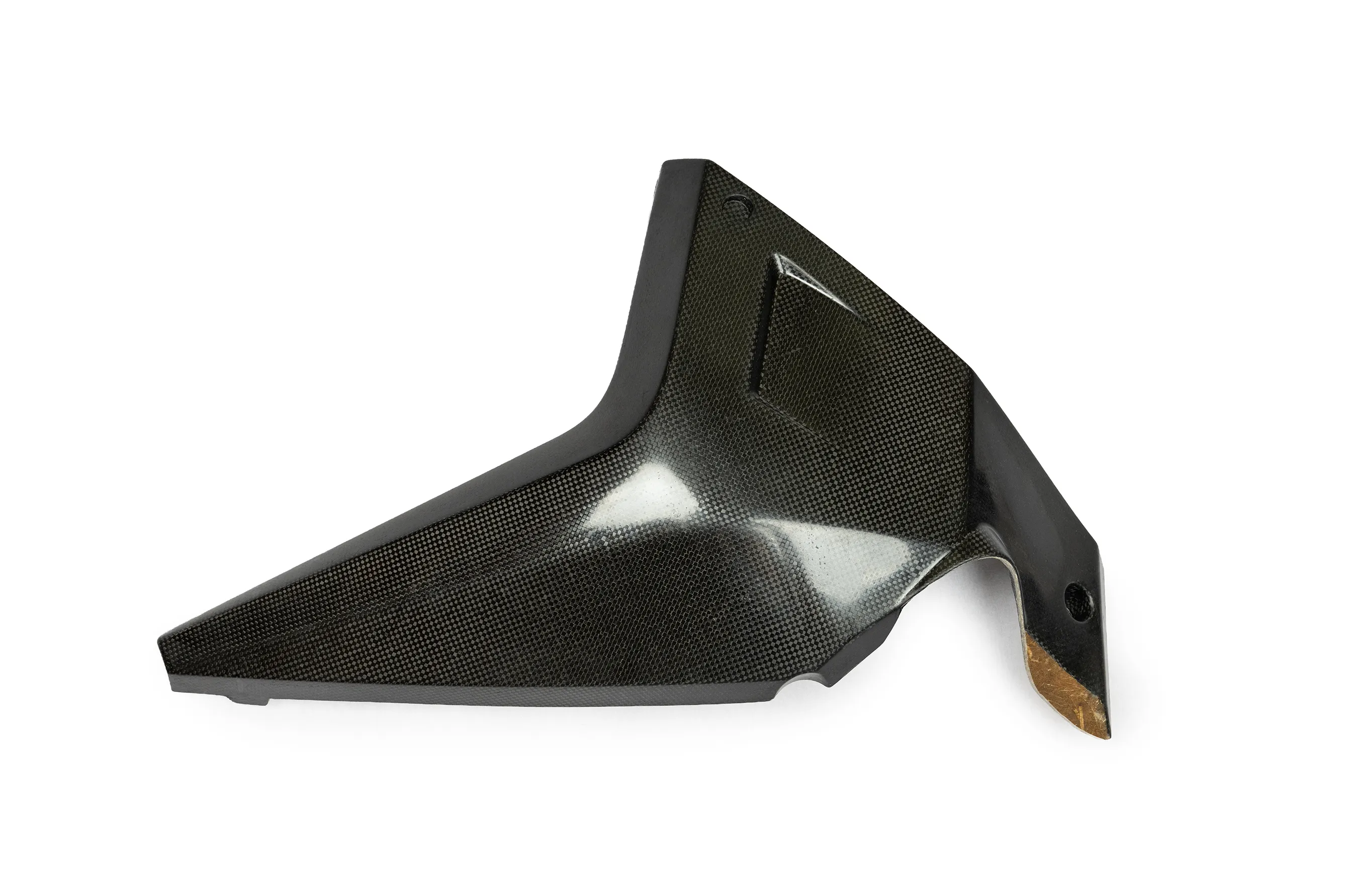
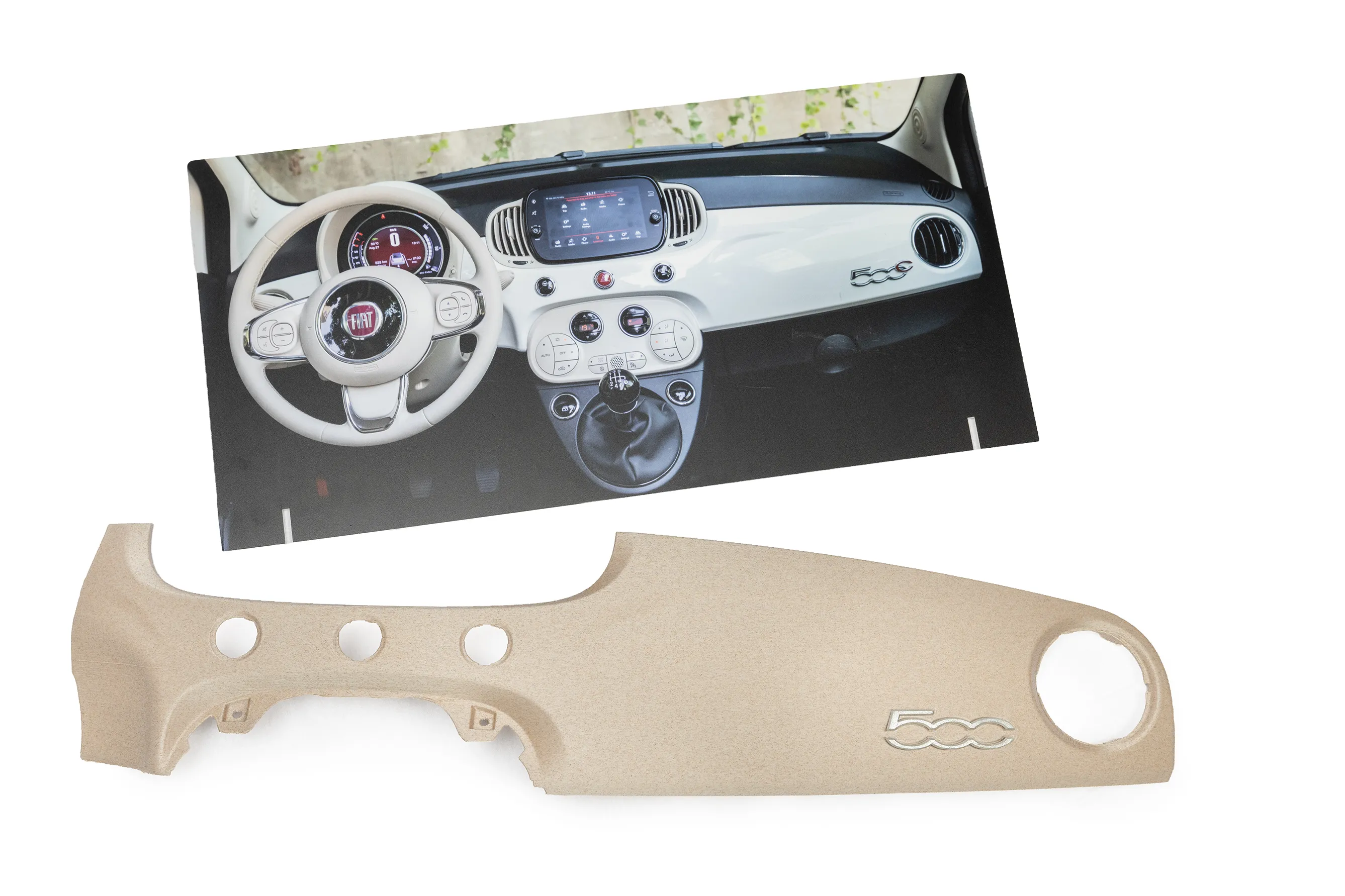
The FIBSUN project has developed lightweight, durable non-woven composites for automotive applications using industrial hemp fibres cultivated in Germany. These materials can reduce reliance on fossil-based components and lower the carbon footprint of vehicles. They also create new market opportunities for sustainably produced natural fibres and strengthen links between agriculture and industrial manufacturing.
Balancing environmental benefits with economic value, industrial hemp (Cannabis sativa) is the ultimate sustainable fibre for automotive design. Integrated into hybrid composites and optimised with microfibrillated cellulose, hemp pre-forms drive vehicle weight reductions while delivering the elite crash, acoustic, and vibrational performance demanded by automotive OEMs over traditional synthetic alternatives.
Percy Alao, FIBSUN project
Controlled-release fertilisers from industrial side-streams
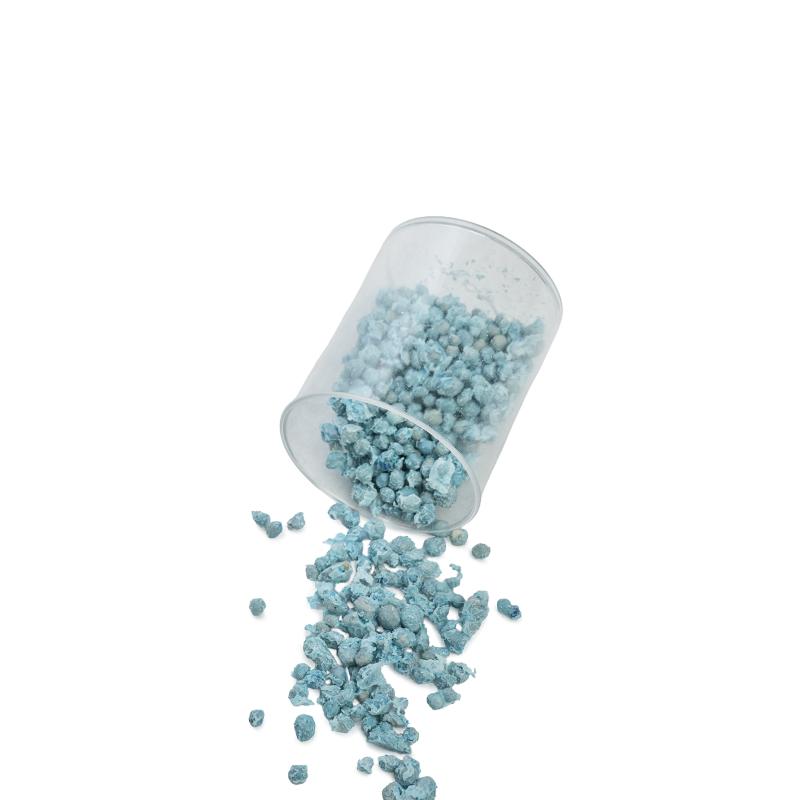
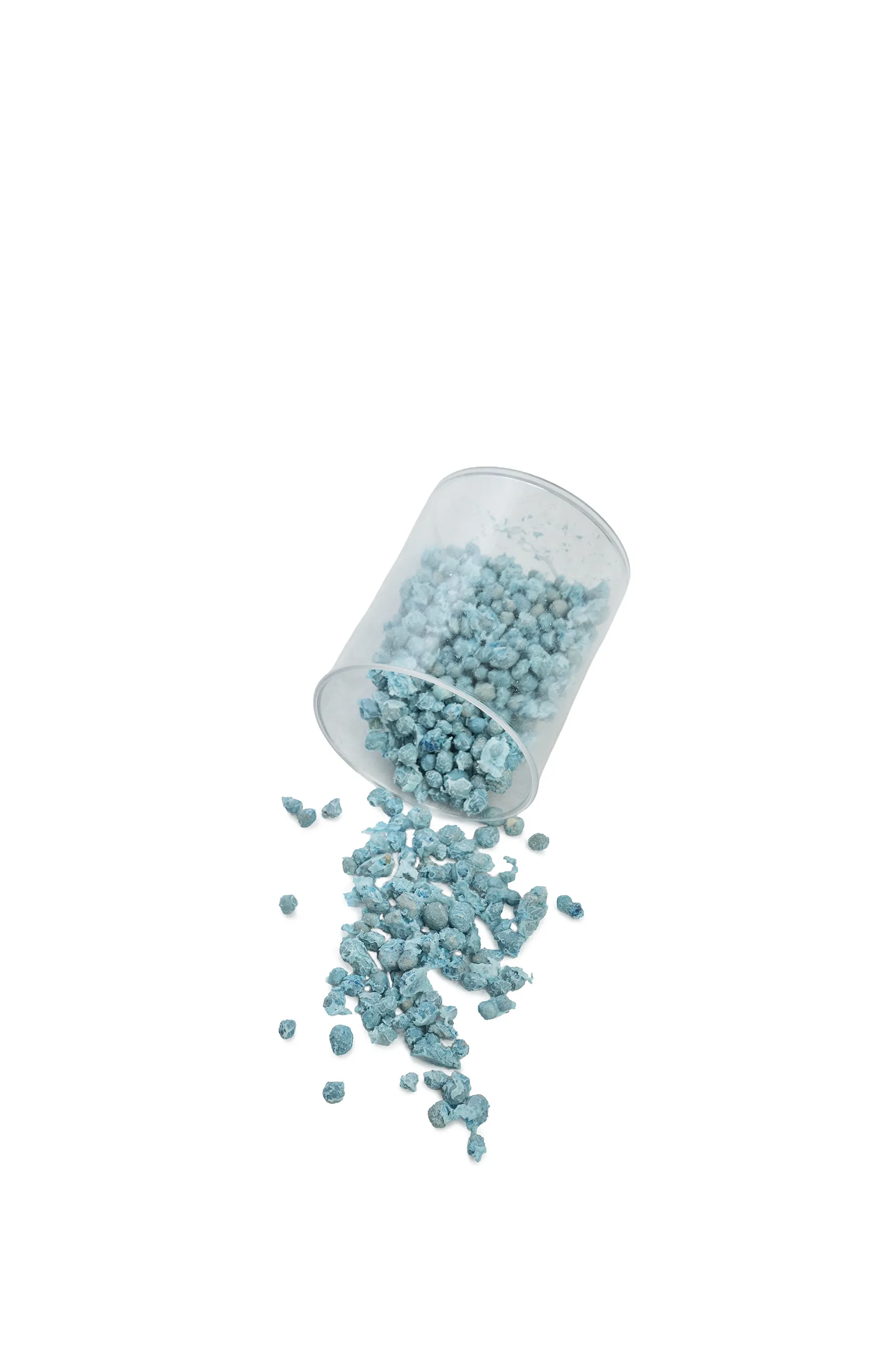
The ELLIPSE project has developed controlled-release fertiliser granules coated with bio-based, biodegradable polyesters and polymers produced from paper and pulp industry waste. This coating releases nutrients gradually, helping reduce nutrient losses, while avoiding the microplastic pollution associated with conventional coatings. Designed to meet EU soil-biodegradability requirements, the solution creates higher-value applications for industrial by-products and supports more efficient nutrient use in agriculture.
Lignin-based resins for construction and industrial materials
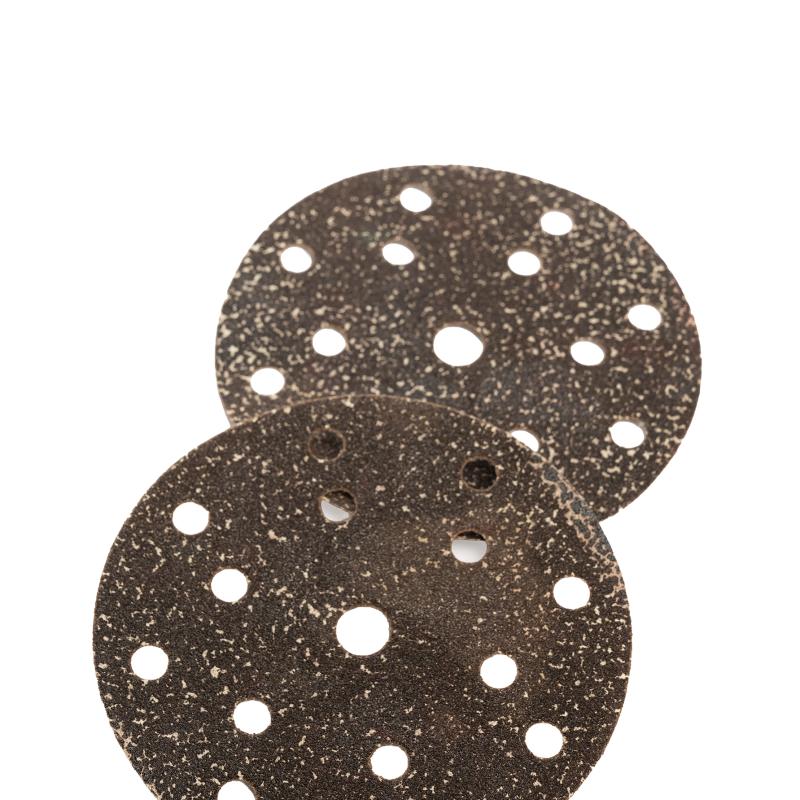
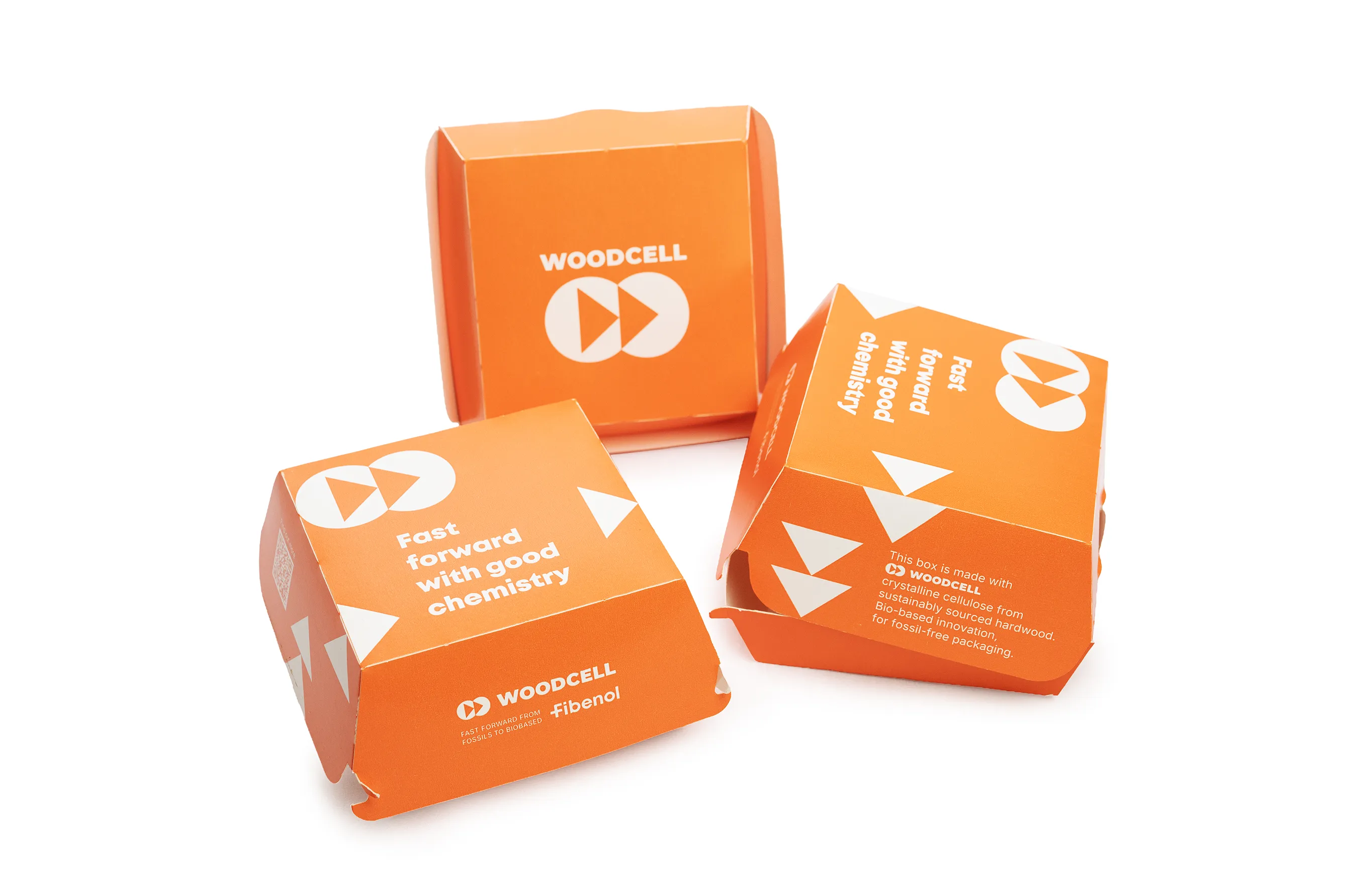
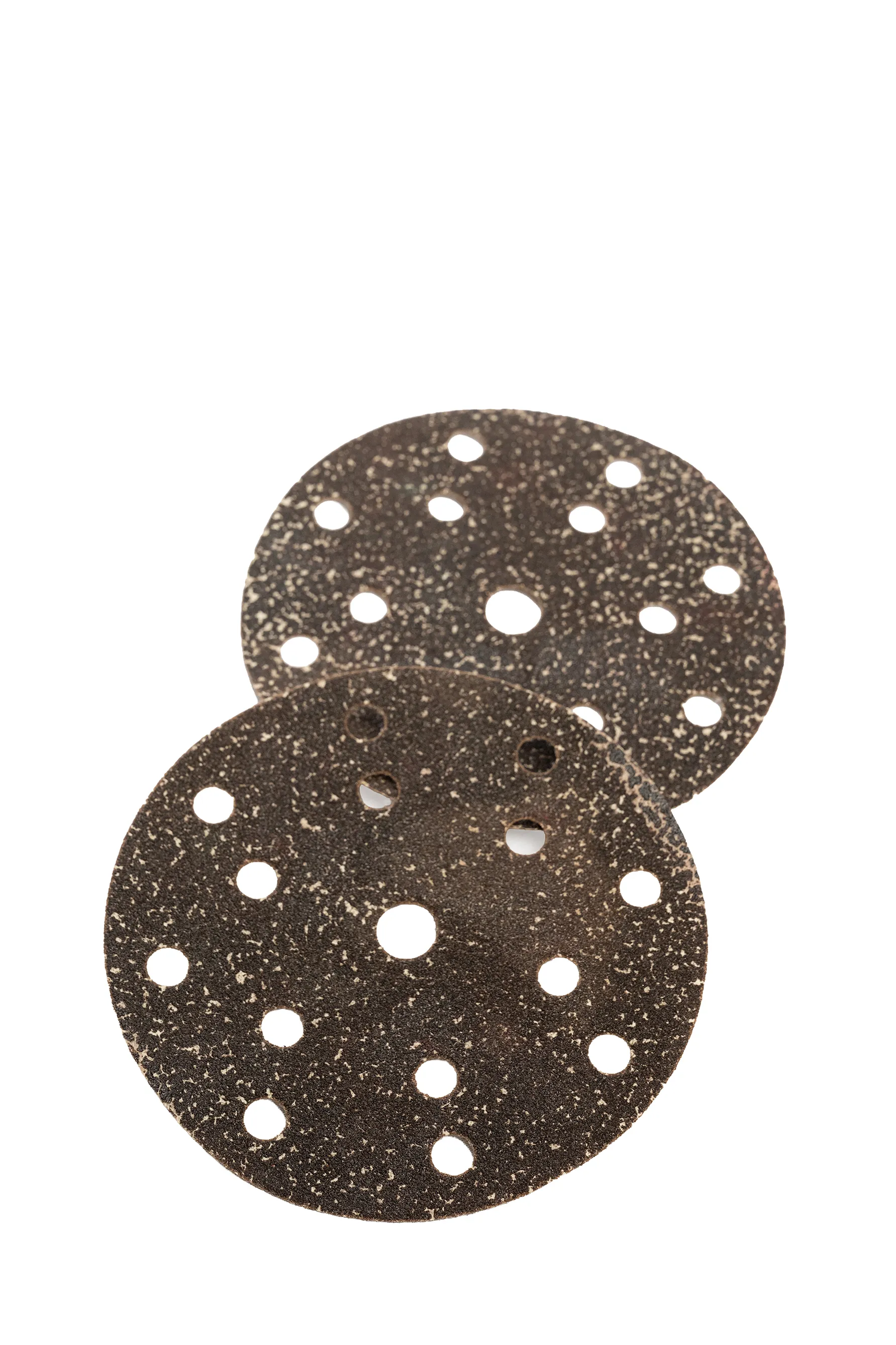
The VIOBOND flagship project has developed a thermosetting resin in which lignin replaces fossil-based phenol in phenol-formaldehyde formulations. The resin can be used in impregnated paper for plywood overlays and interior laminates, improving durability while reducing the use of fossil chemicals. It has also been applied in sandpaper, where it delivers the required abrasive performance with a lower fossil-based resin content. Replacing fossil phenol with lignin in these established applications reduces the carbon footprint of plywood, laminates and abrasive materials without compromising the durability or performance required by manufacturers.
Botanical extracts in food products
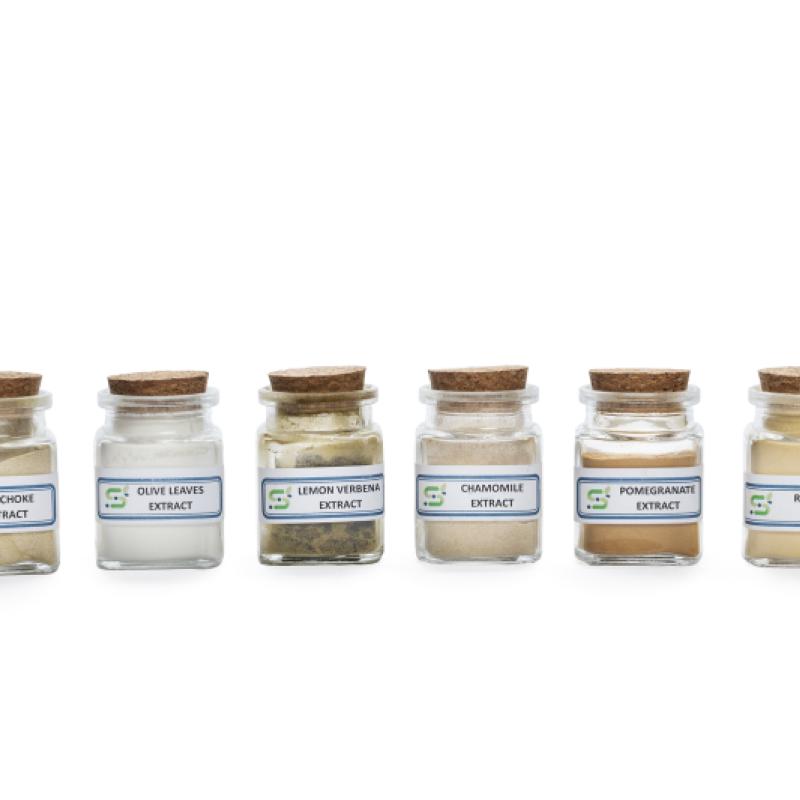
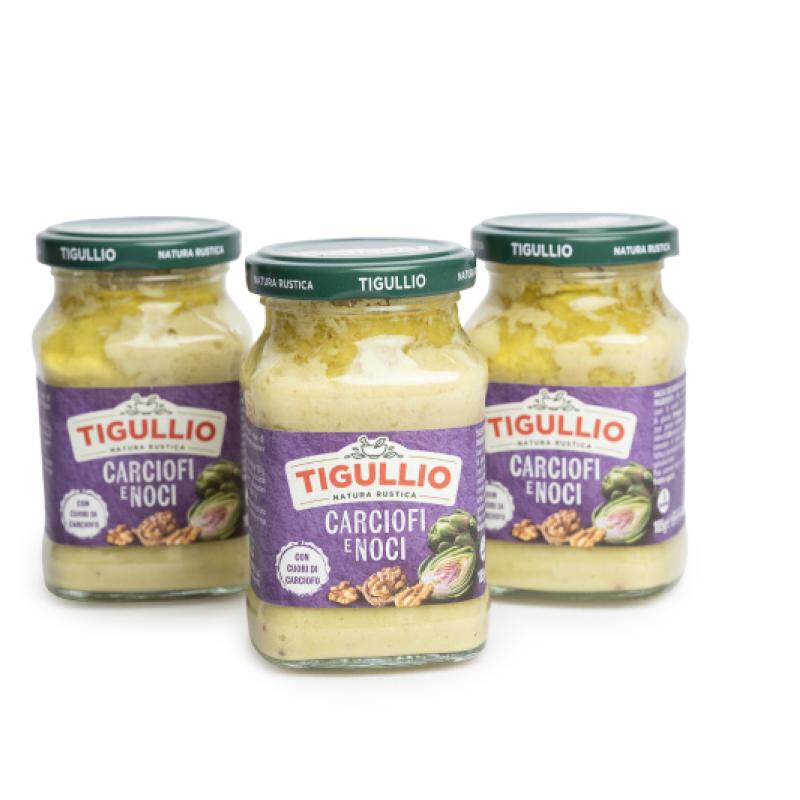
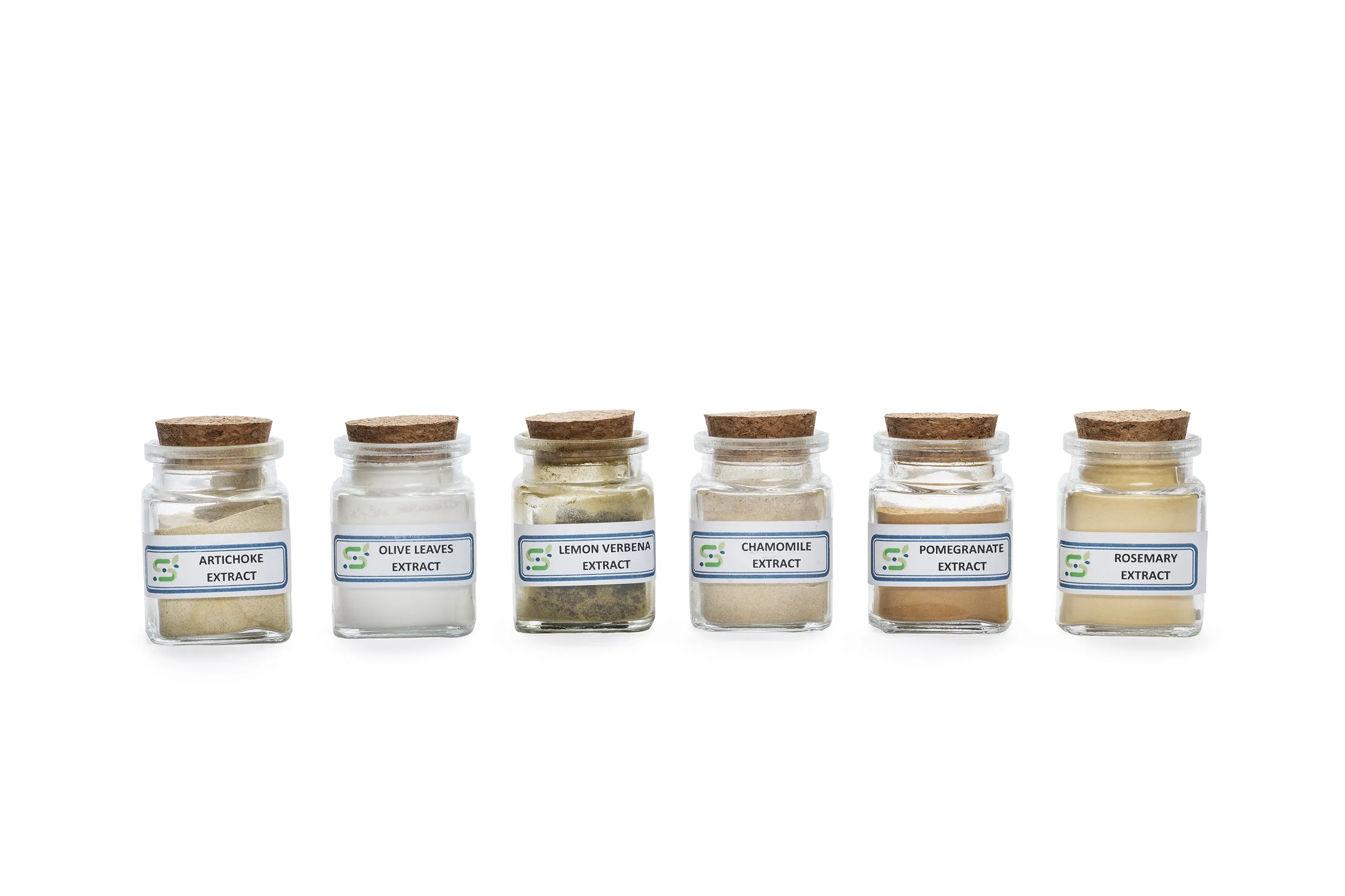
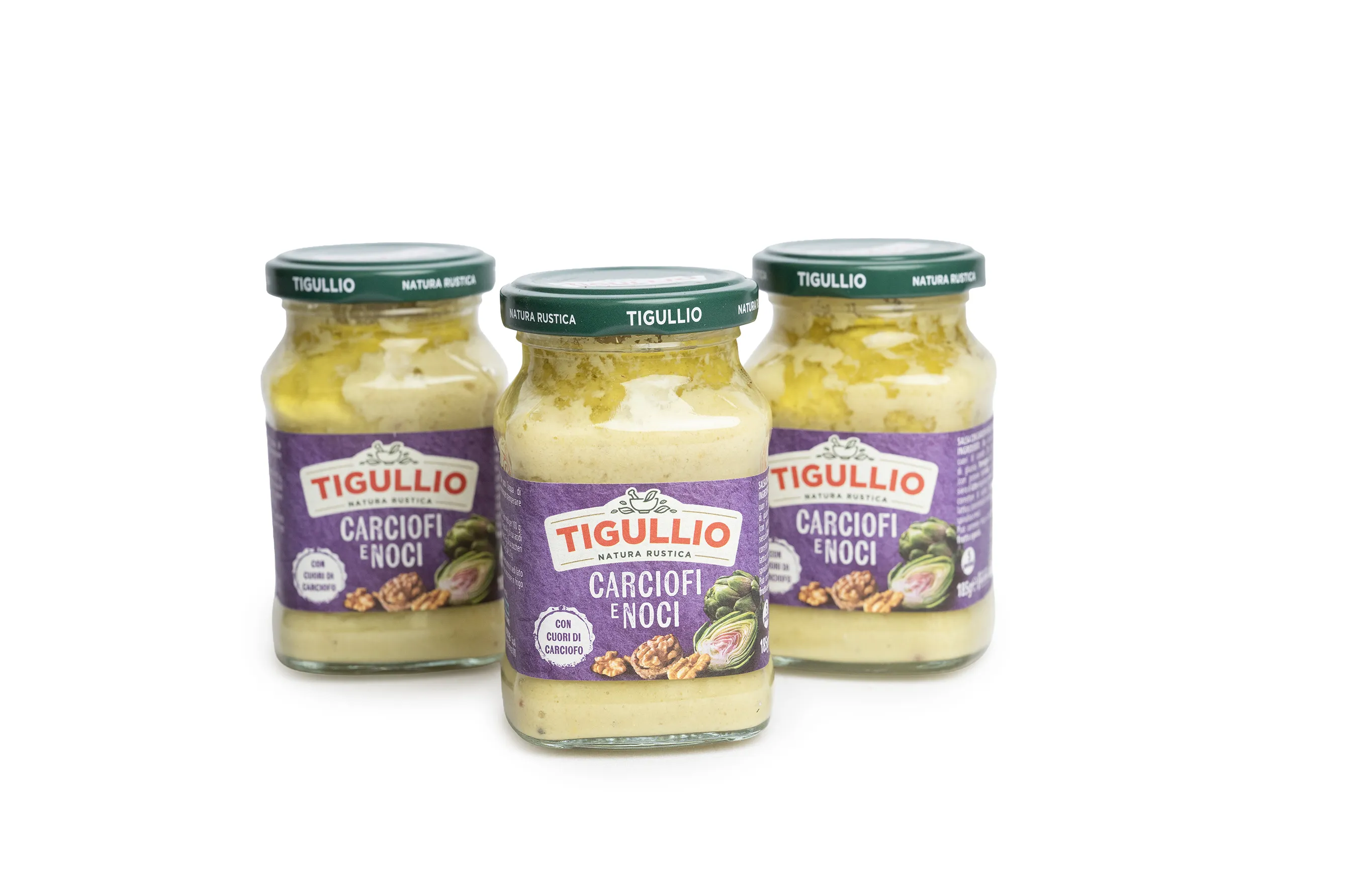
The SUSTAINEXT flagship project has developed an artichoke pesto, containing rosemary extract in replacement of chemical preservatives. The botanical ingredient helps limit oxidation and browning while reducing acidic and bitter notes, improving the product’s sensory profile.
The example demonstrates the practical role that natural extracts can play in food formulations and their potential to replace synthetic preservatives while supporting biobased sustainable products.
Cosmetics from microalgae and wine-production side-streams
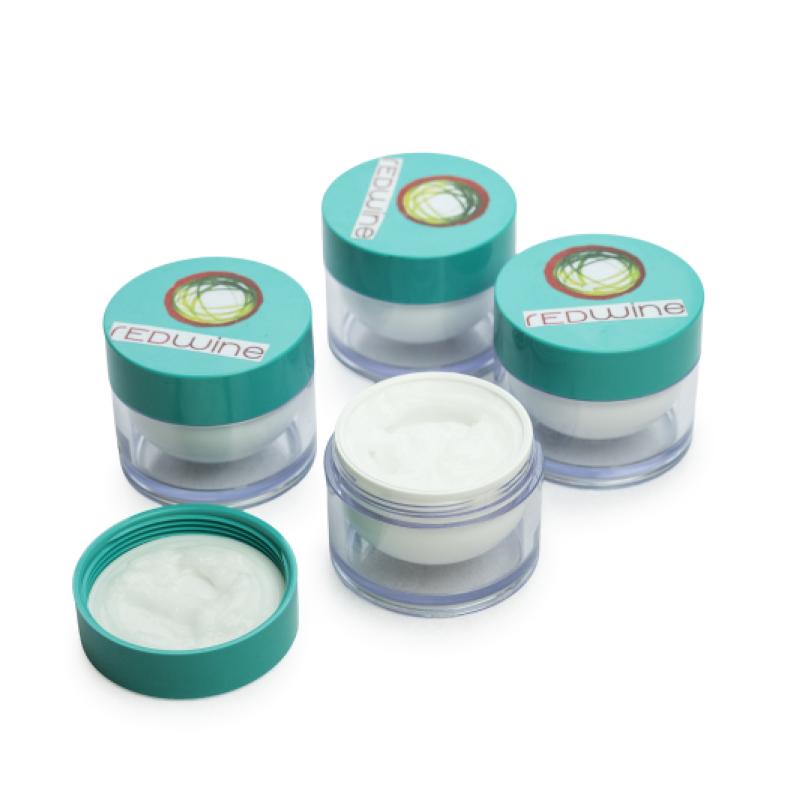
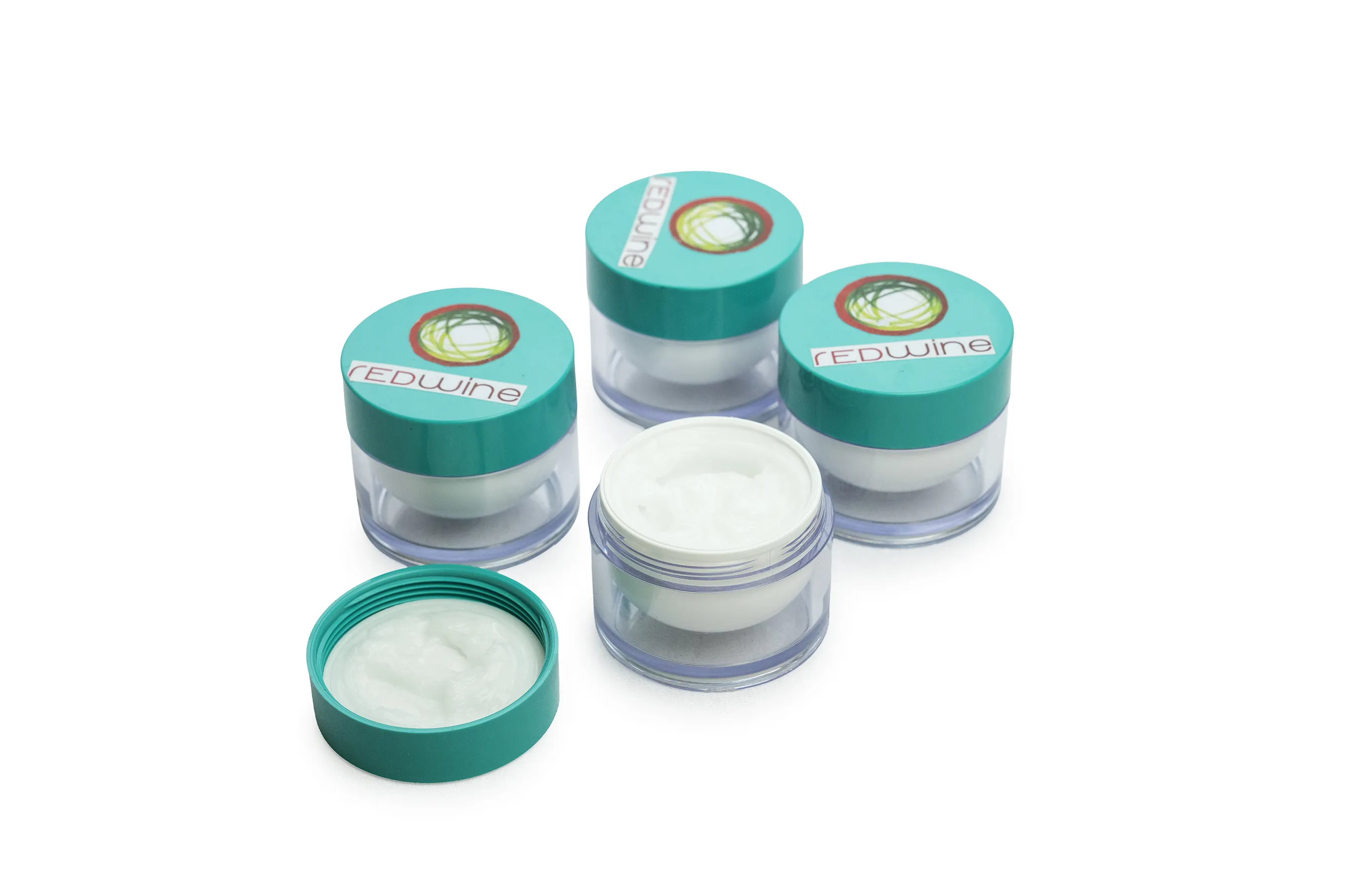
The REDWINE project has developed a cosmetic cream containing Chlorella vulgaris extract and ingredients obtained from red wine production by-products.
The formulation combines these ingredients in stable cosmetic matrices designed to support microbiological safety and product performance. It shows how microalgae and food-production side-streams can provide high-value ingredients for more sustainable cosmetics.
Biosurfactants for home care
The SURFs UP project is developing biosurfactants from hardwood sugars, lignin from wood waste and regional food-processing residues. These ingredients will be incorporated into products such as bathroom cleaners, kitchen cleaners and dishwashing liquids. The project is demonstrating how bio-based surfactants can provide effective cleaning performance while reducing reliance on fossil-based ingredients and potentially lowering the toxicity of cleaning formulations.
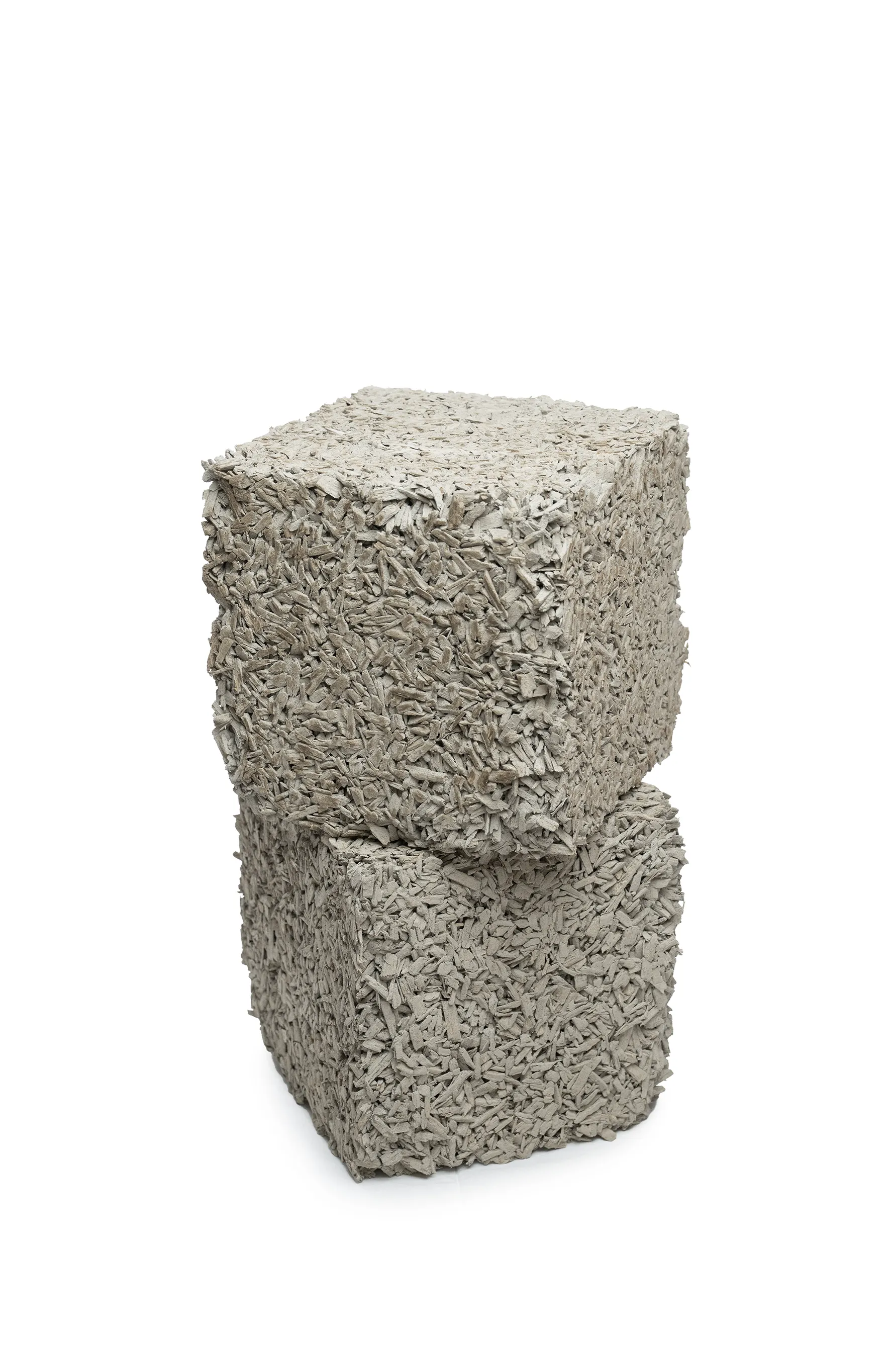
Potato-processing side-streams can become biodegradable mulch, almond shells can be incorporated into manufactured products and wood and food-processing residues can provide ingredients for household cleaners. These examples show how resources that are currently underused can supply materials and ingredients for established markets.
World Bioproduct Day also highlights what is needed to bring such solutions into wider use. Through collaboration across research, industry and primary production, CBE JU-funded projects are demonstrating technologies at scale, validating product performance and building the value chains required for industrial deployment. This strengthens Europe’s capacity to manufacture more of its materials and products from renewable resources, supporting competitiveness, resilience and strategic autonomy.
Check out some of the bio-based products
(15) medias