Bio-based products are reaching markets across packaging, agriculture, mobility, construction, food, cosmetics and home care. Current project estimates point to 141 new products developed through CBE JU and BBI JU. Explore how renewable resources and side-streams are replacing fossil-based materials and supporting circular European value chains.
Packaging
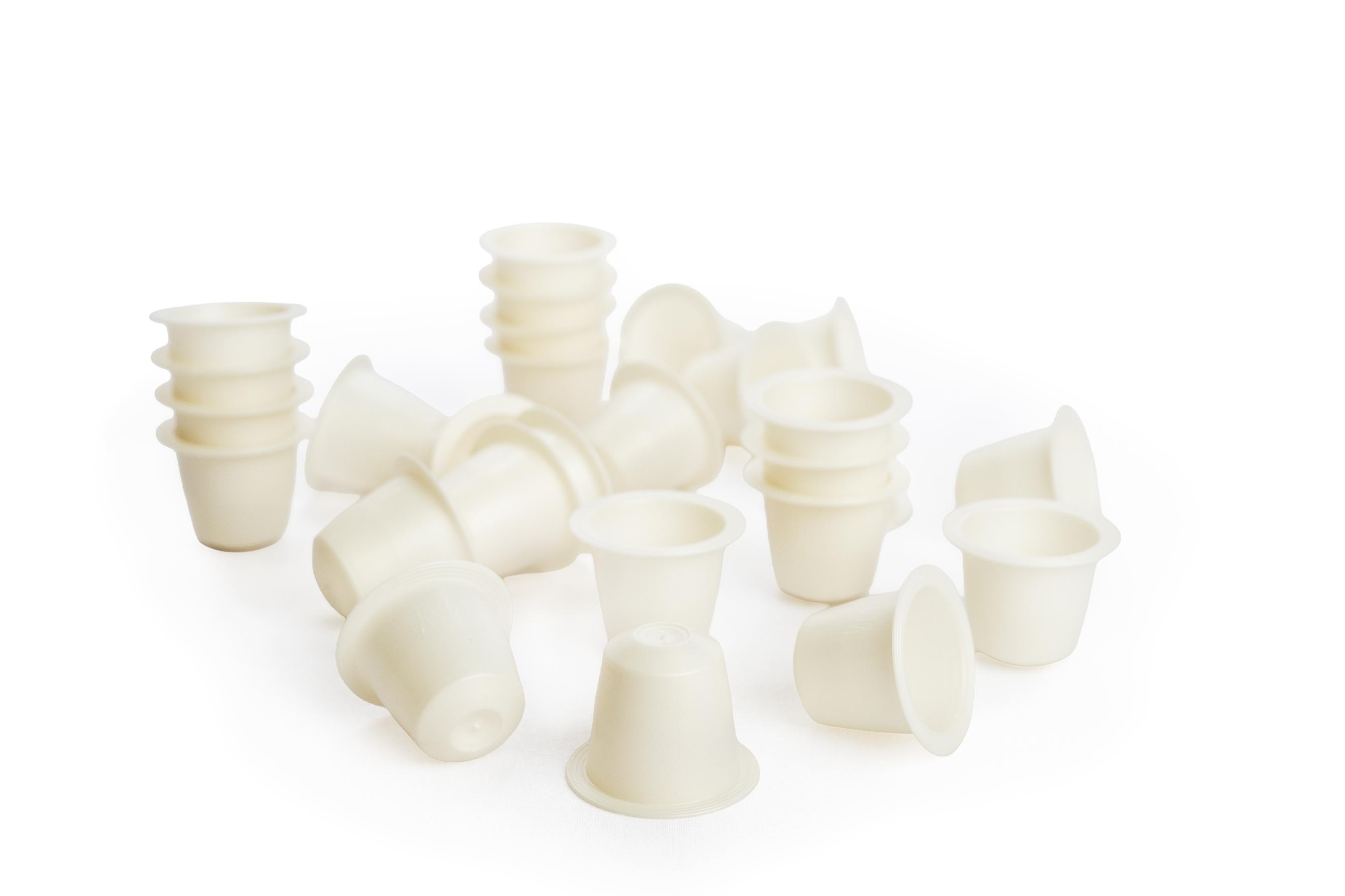
| Compostable coffee capsulesCBE JU-funded project: TERRIFIC Made with more than 95% renewable resources, these compostable coffee capsules keep coffee fresh, preserve flavour and withstand the high temperatures needed to prepare an excellent espresso. Key benefits
|
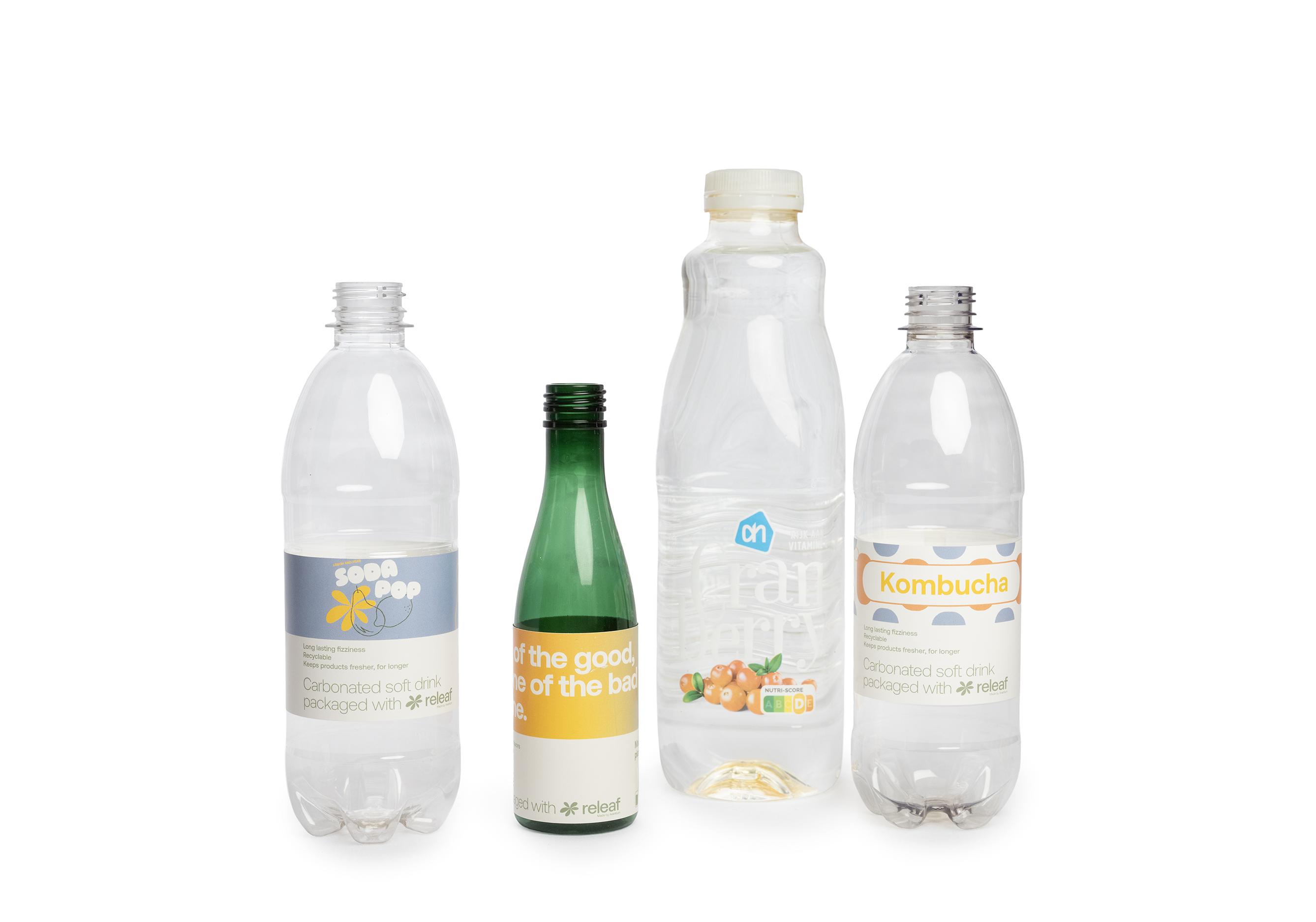
| Plant-based bottleCBE JU-funded project: PEFerence Already available at Albert Heijn supermarkets, this lightweight bottle is made from fully recyclable, 100% bio-based PEF, marketed as releaf®. Its strong oxygen barrier helps protect product quality and extend shelf life. PEFerence has also demonstrated PEF bottles for wine and carbonated drinks. Key benefits
|
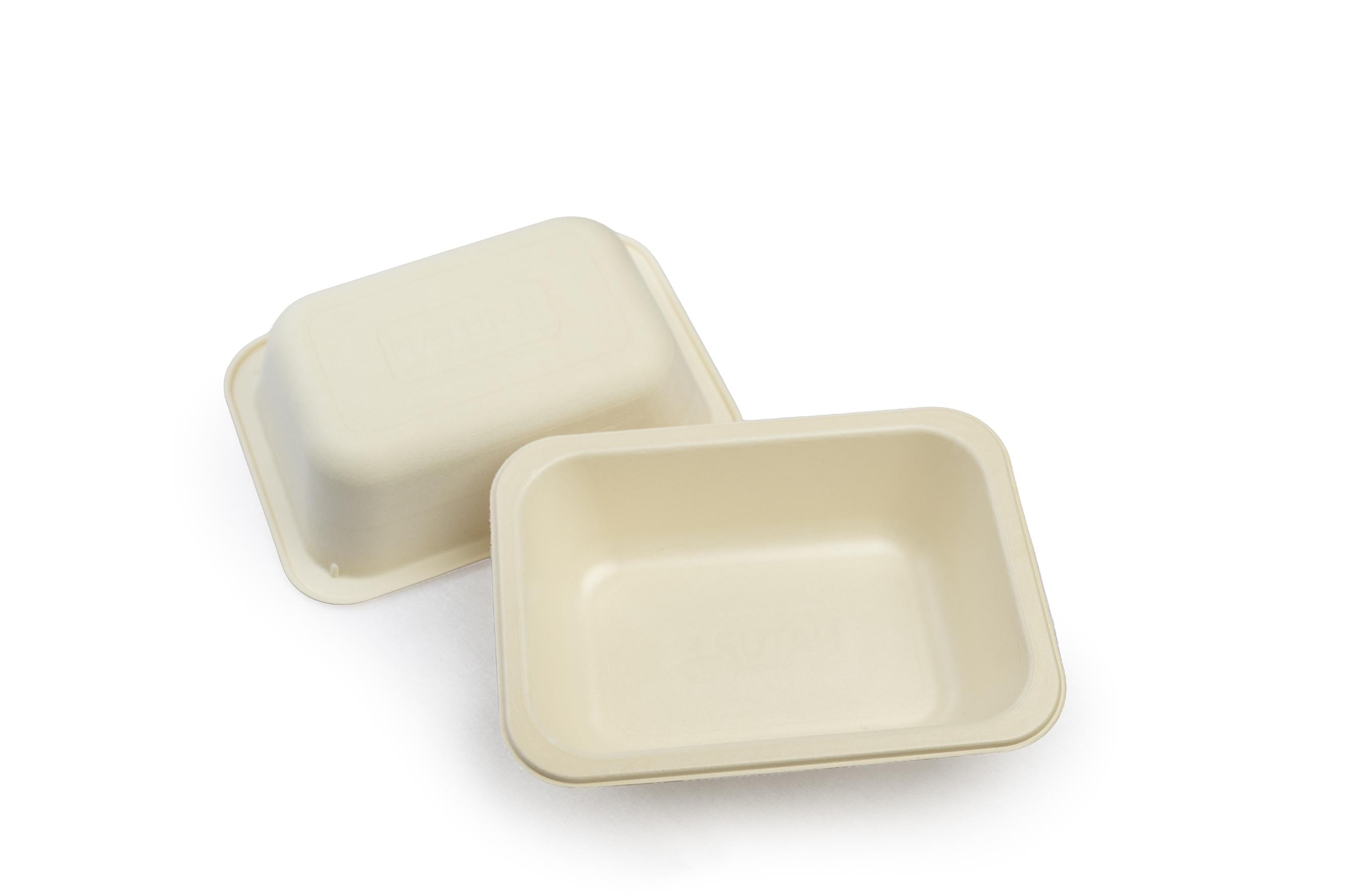
| Fresh meat packaging traysCBE JU-funded project: REDYSIGN These dry- and wet-formed trays combine renewable materials with bio-based barrier coatings for plastic-free fresh meat packaging. Integrated sensors help monitor freshness, while identification markers support more effective sorting and recycling. Key benefits
|
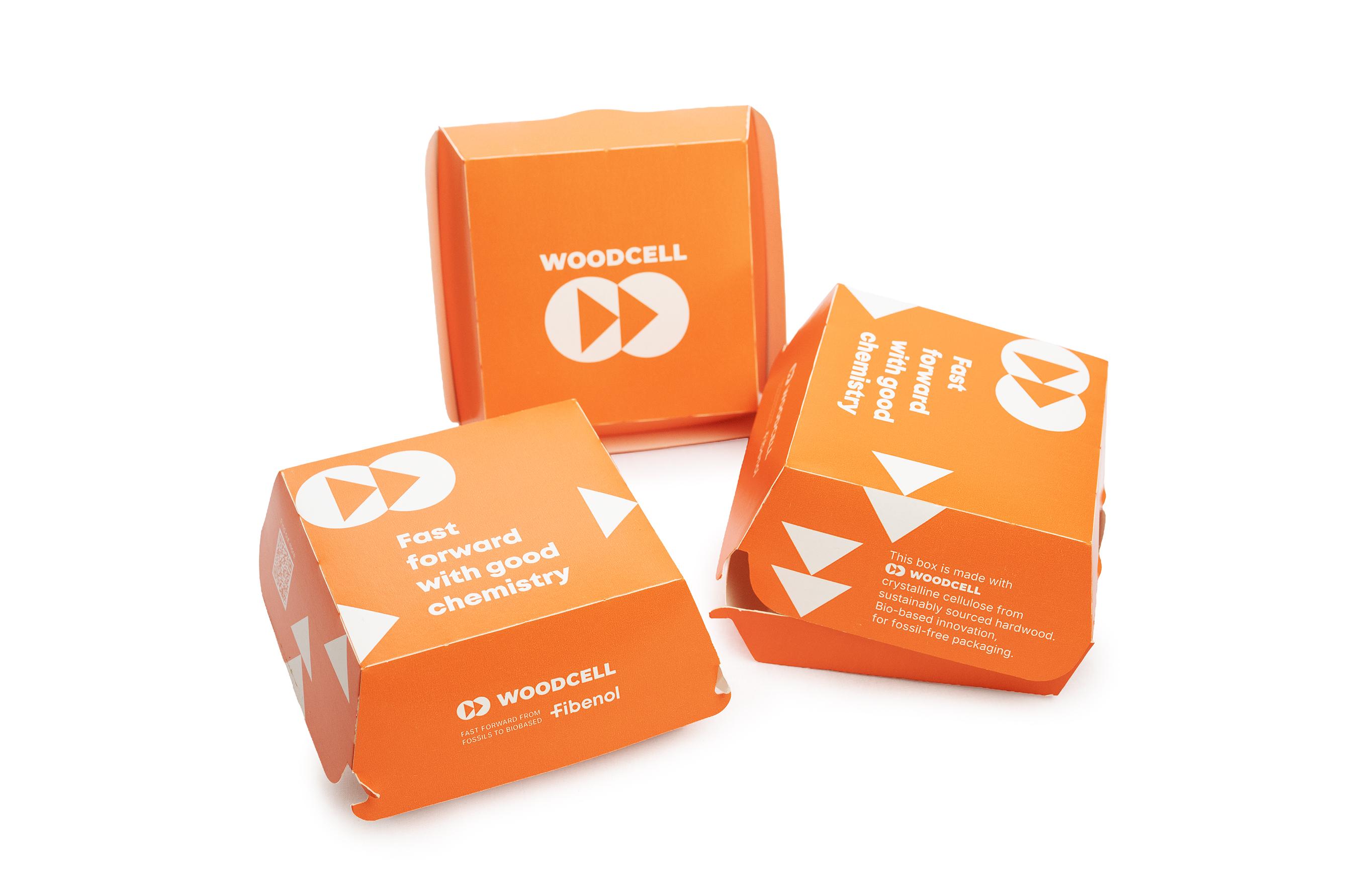
| Paper-based burger boxCBE JU-funded project: WOODCELL This paper burger box uses a plastic-free WoodCell™ crystalline cellulose coating to provide effective grease and oxygen barriers. Its mono-material design protects food while making the packaging easier to recycle. Key benefits
|
Agriculture and crop protection
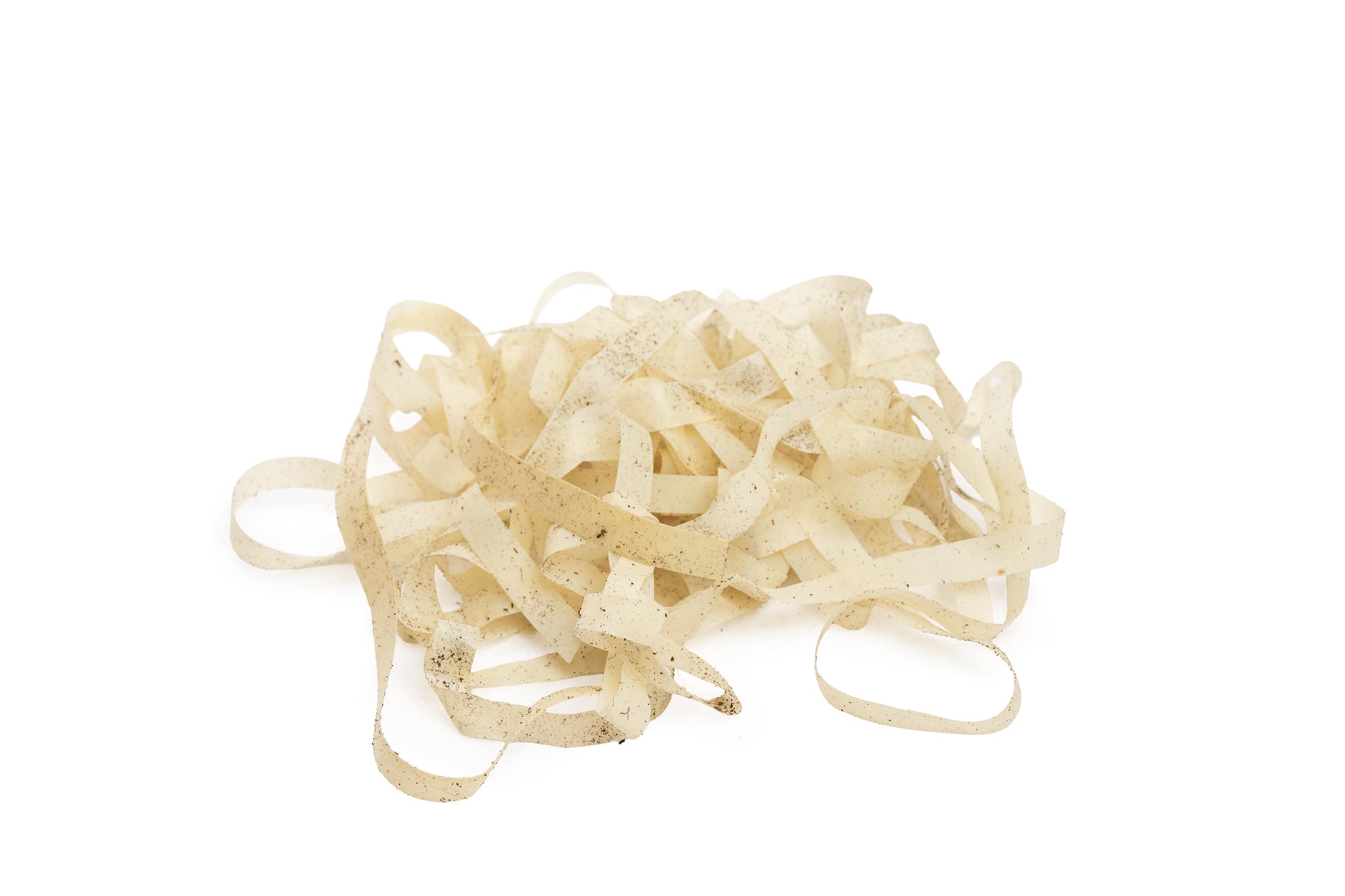
| Biodegradable mulch for seed potatoesCBE JU-funded project: BRILIAN Made from side-streams of the potato-processing industry, this mulch protects seed potato crops and biodegrades within one growing season, without leaving persistent plastic waste in the field. Key benefits
|
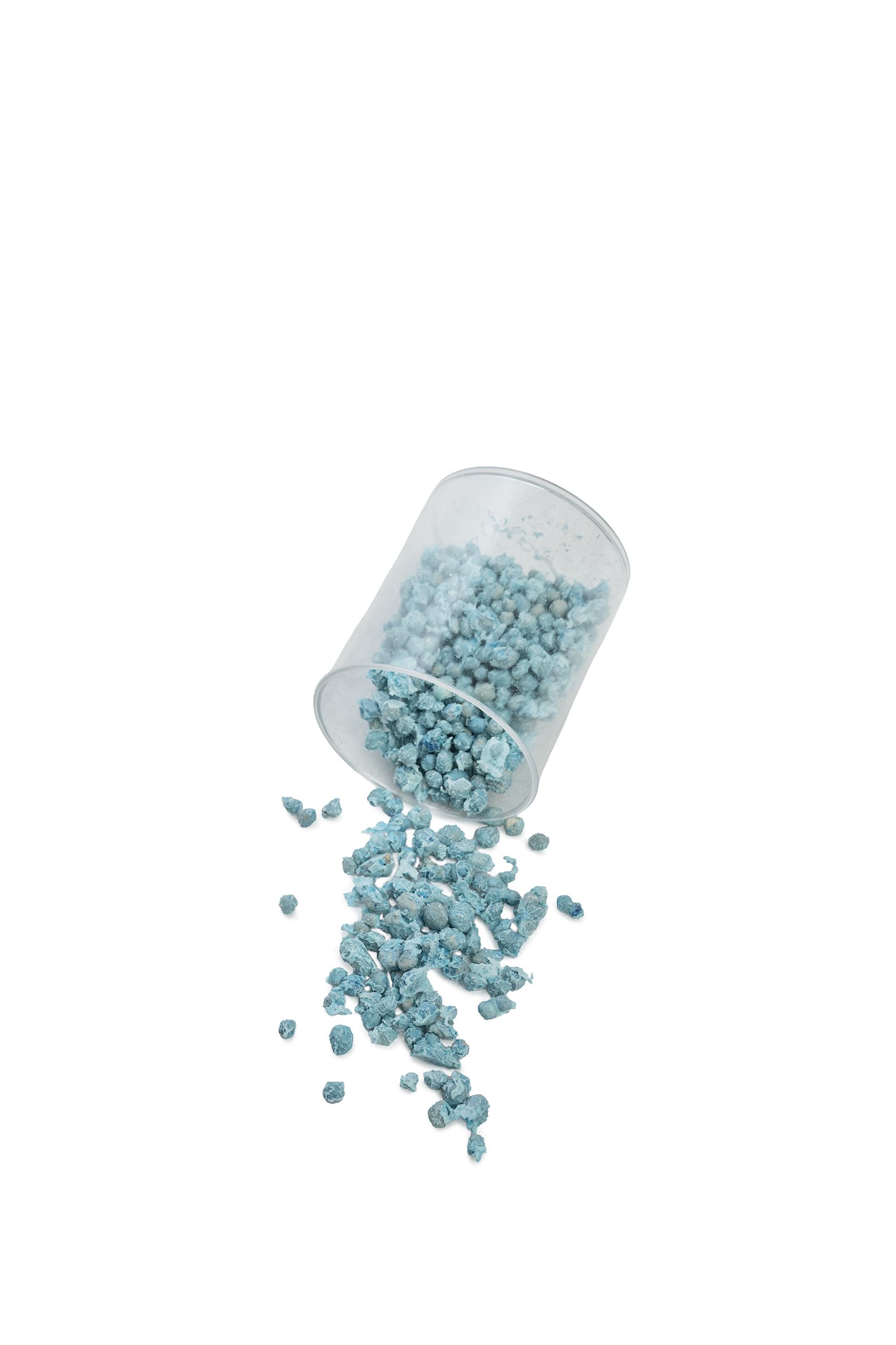
| Biodegradable controlled-release fertiliserCBE JU-funded project: ELLIPSE These nutrient-rich fertiliser granules use a bio-based, biodegradable coating to release nutrients gradually. The solution helps crops use nutrients more efficiently while avoiding the persistent microplastics associated with conventional coatings. Key benefits
|
Automotive
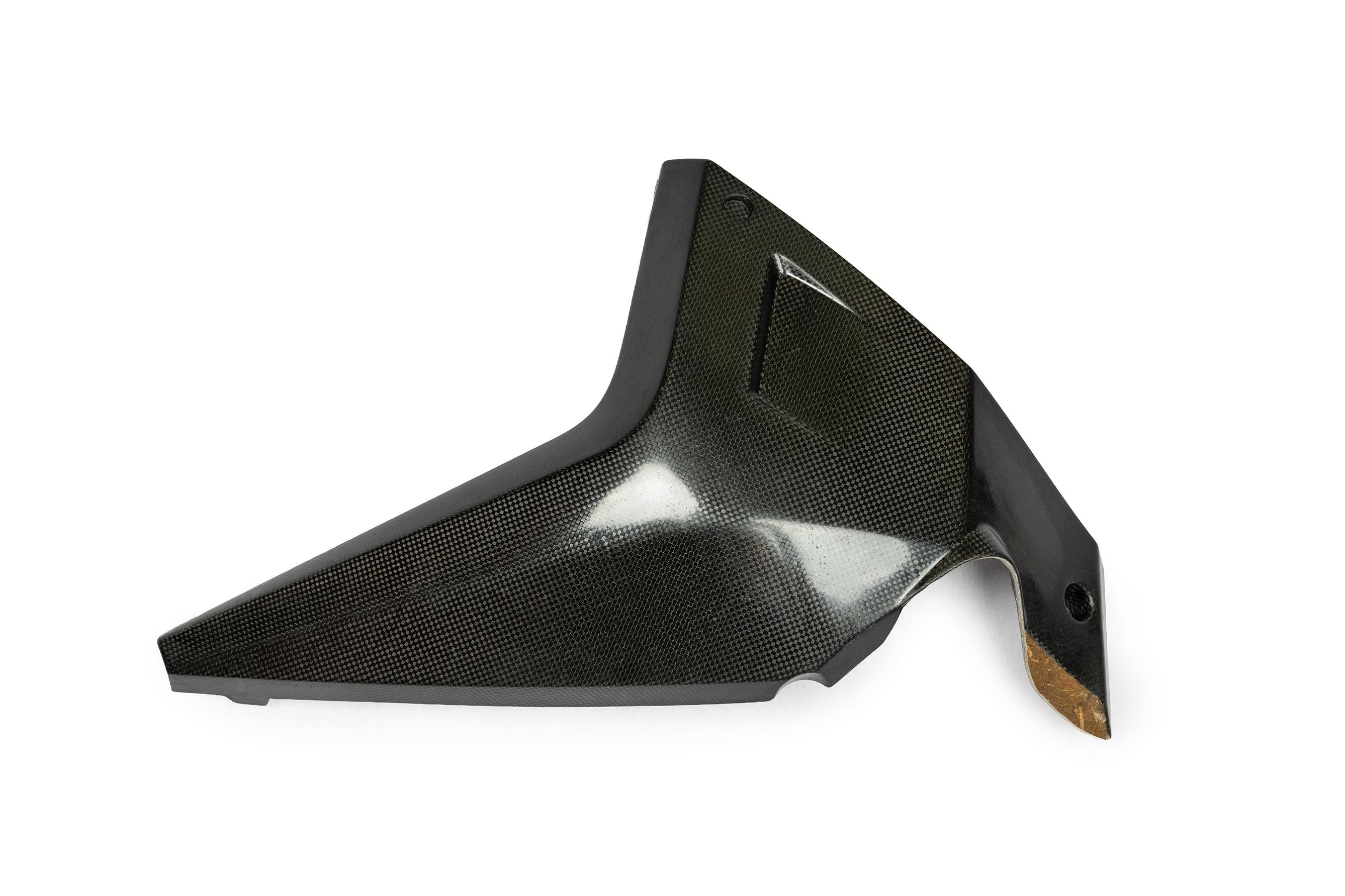
| Hemp automotive compositeCBE JU-funded project: FIBSUN Made from industrial hemp cultivated in Germany, this lightweight and durable non-woven composite provides a renewable material option for automotive components. Key benefits
|
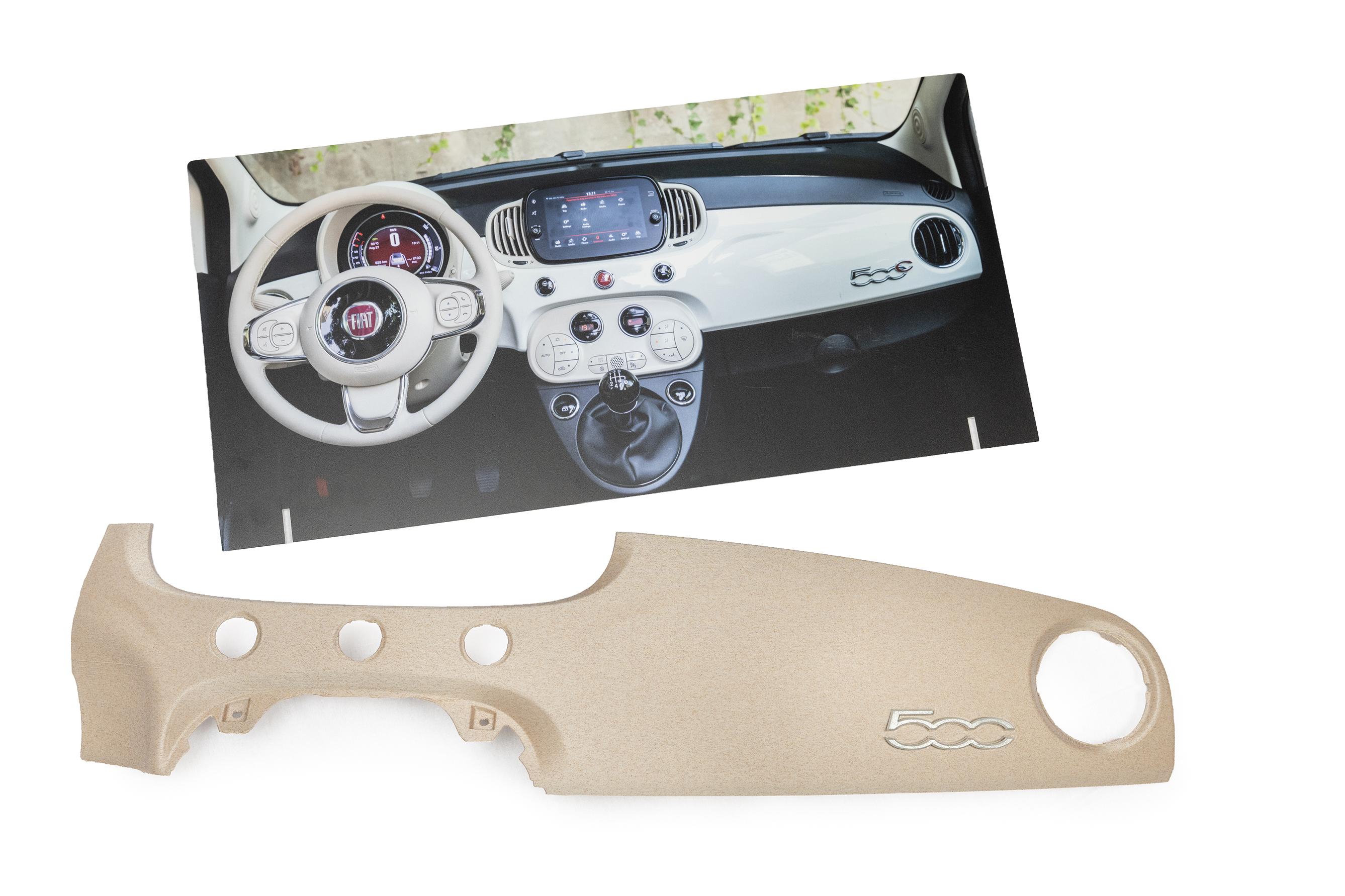
| 3D-printed Fiat 500 car fasciaCBE JU-funded project: BARBARA This single-piece Fiat 500 fascia was produced through 3D printing using a composite containing almond shells. It demonstrates how agricultural side-streams can become part of large, technically demanding automotive components. Key benefits
|
Bio-based polymers and consumer products
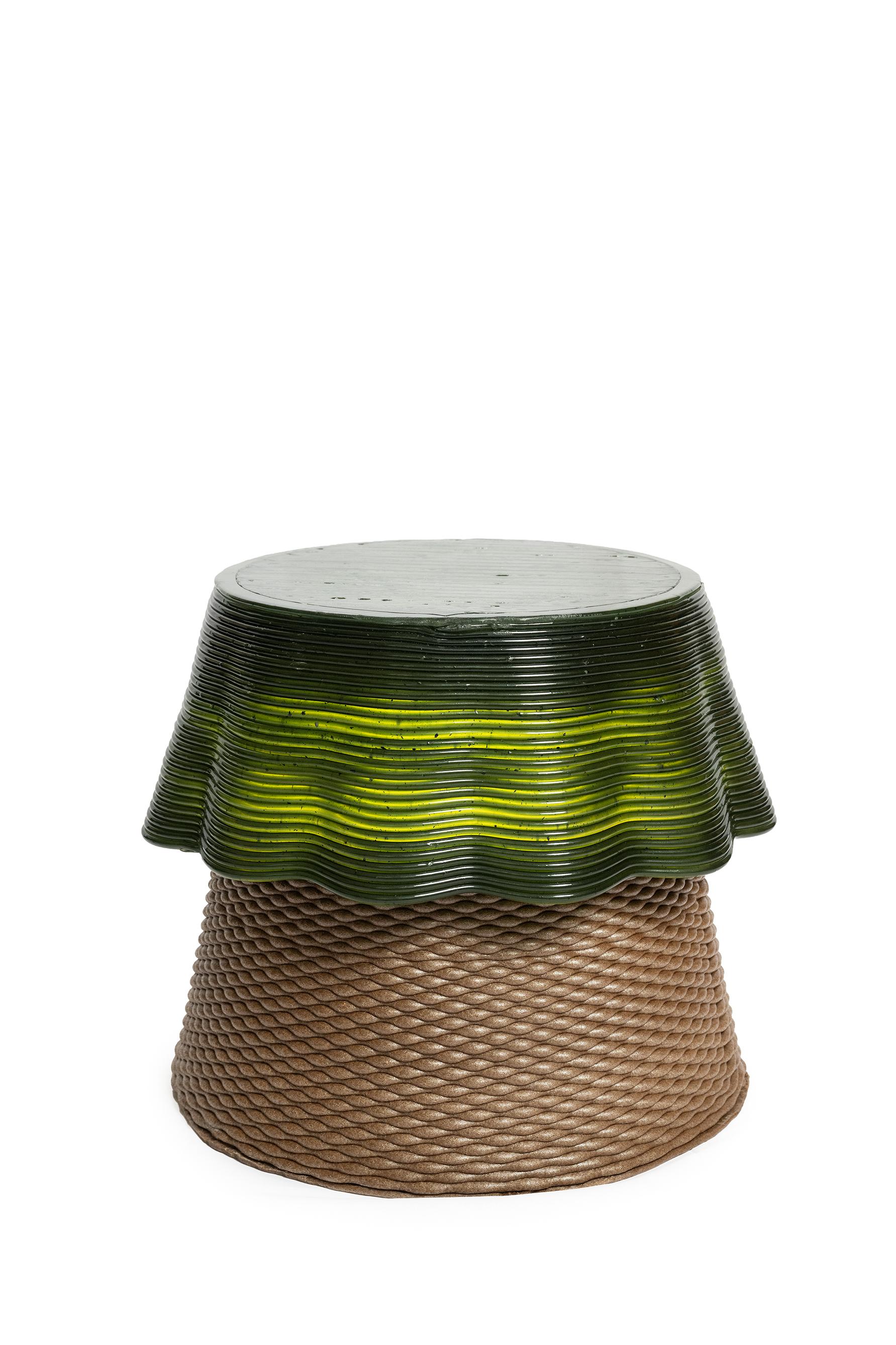
| 3D-printed luminous tree stoolCBE JU-funded project: BARBARA This 3D-printed stool combines almond shell fibres with a green pigment derived from chlorophyll. Its illuminated canopy shows how renewable ingredients can bring functionality, colour and distinctive design to consumer products. Key benefits
|
Construction and industrial materials
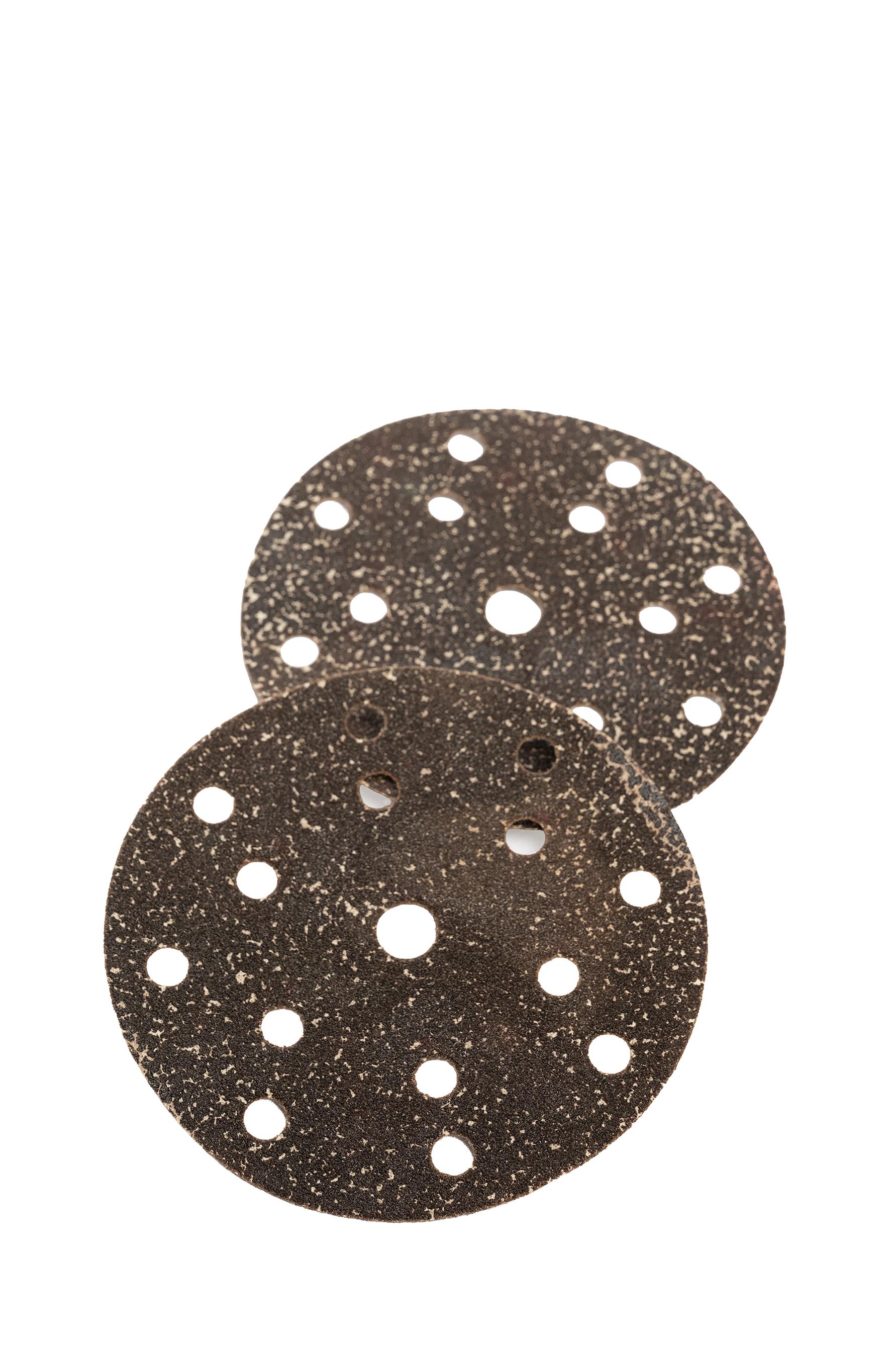
| Lignin-based resinCBE JU-funded project: VIOBOND This thermosetting resin uses lignin to replace fossil-based phenol in conventional phenol-formaldehyde formulations. It can be applied in plywood overlays, interior laminates and abrasive paper without compromising the durability and performance manufacturers require. Key benefits
|
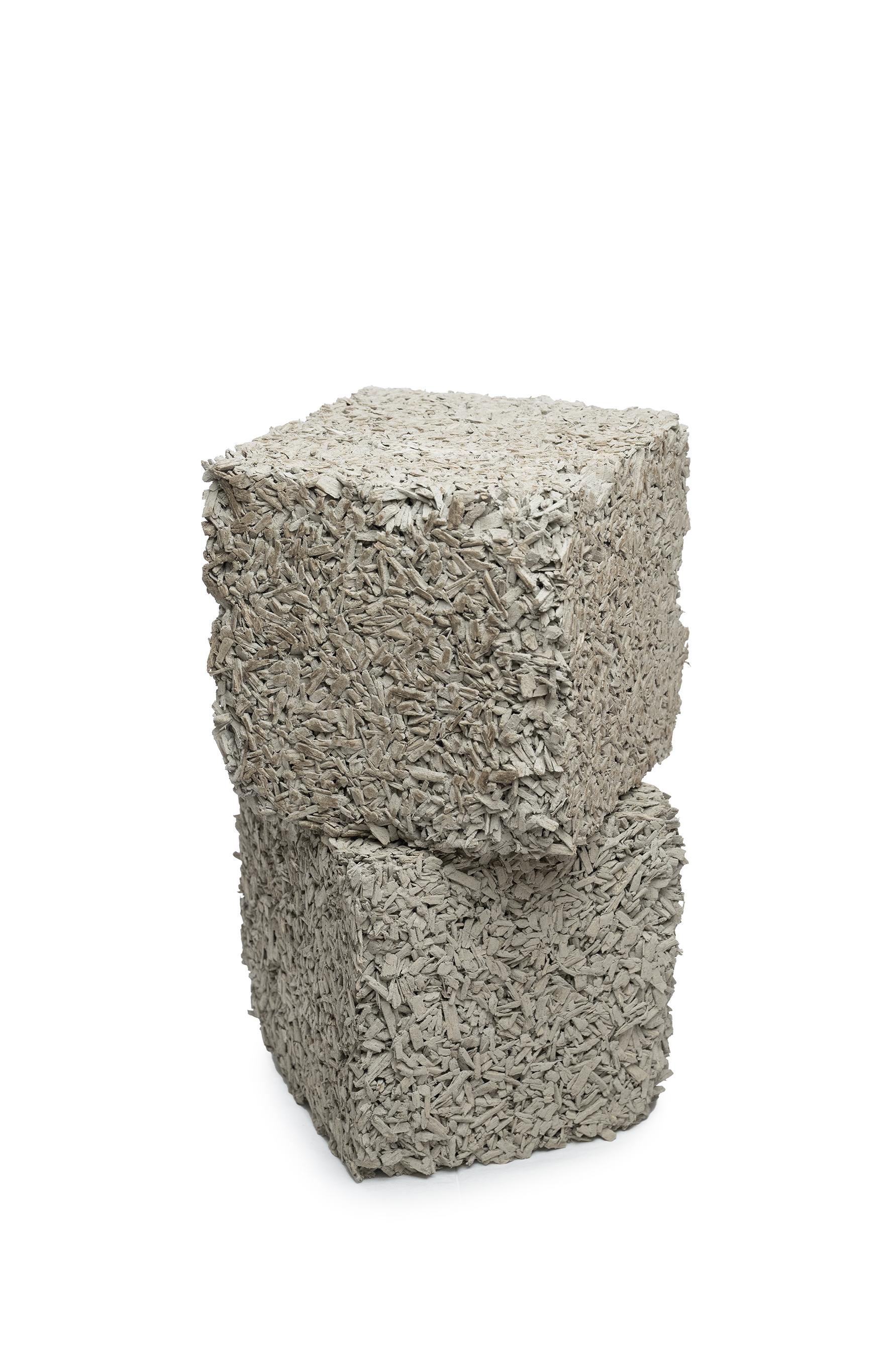
| Wood-cement bio-concrete brickCBE JU-funded project: FIBSUN This construction block combines cement with wood chips from trees grown to support soil phytoremediation at a former industrial site in France. It gives the resulting biomass a new use in construction materials. Key benefits
|
Food and nutraceuticals
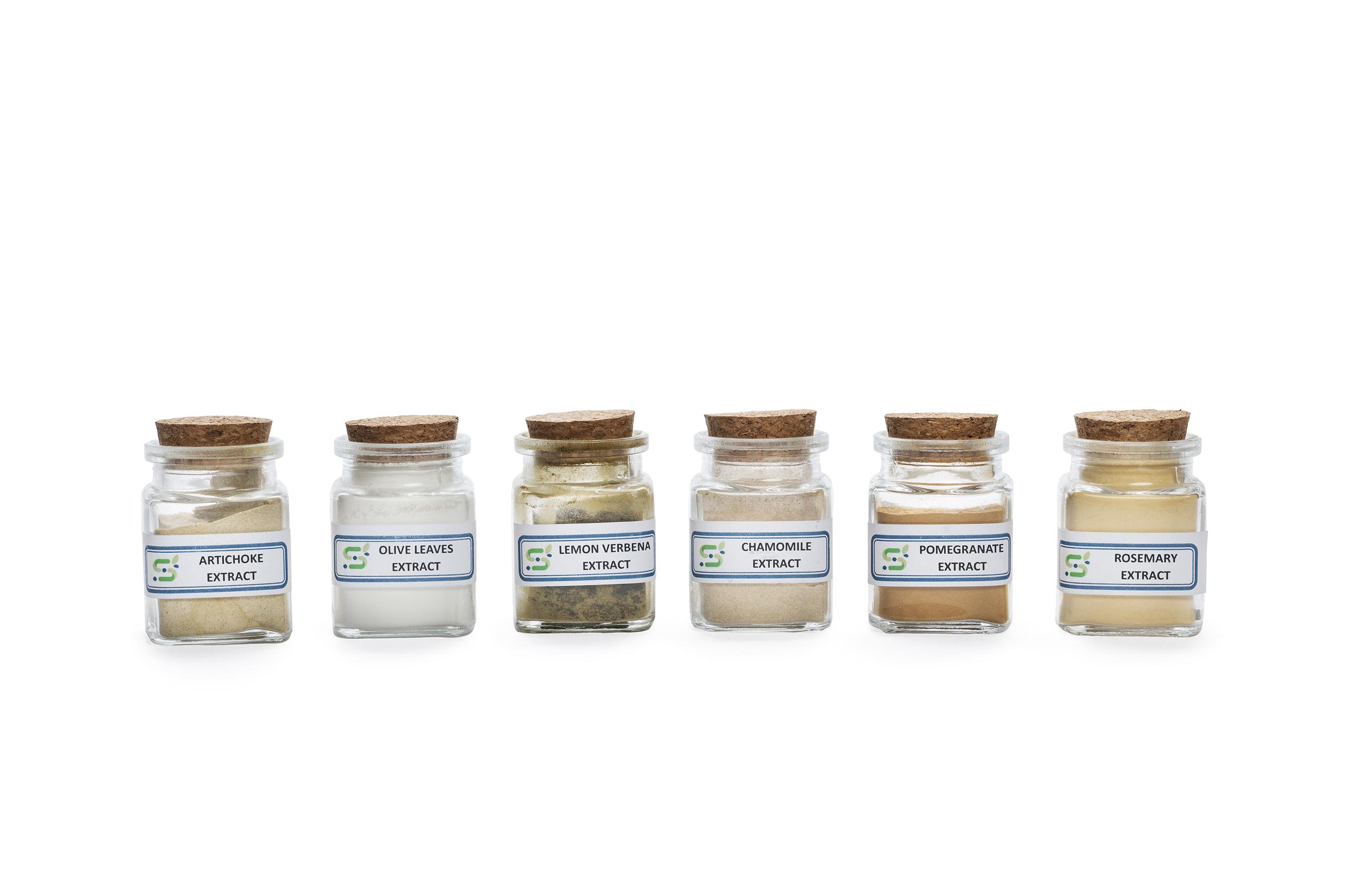
| Botanical powder extractsCBE JU-funded project: SUSTAINEXT Rich in natural polyphenols, these botanical powder extracts can support food and nutraceutical formulations with antioxidant properties. They help protect product quality and shelf life while reducing the need for synthetic additives. Key benefits
|
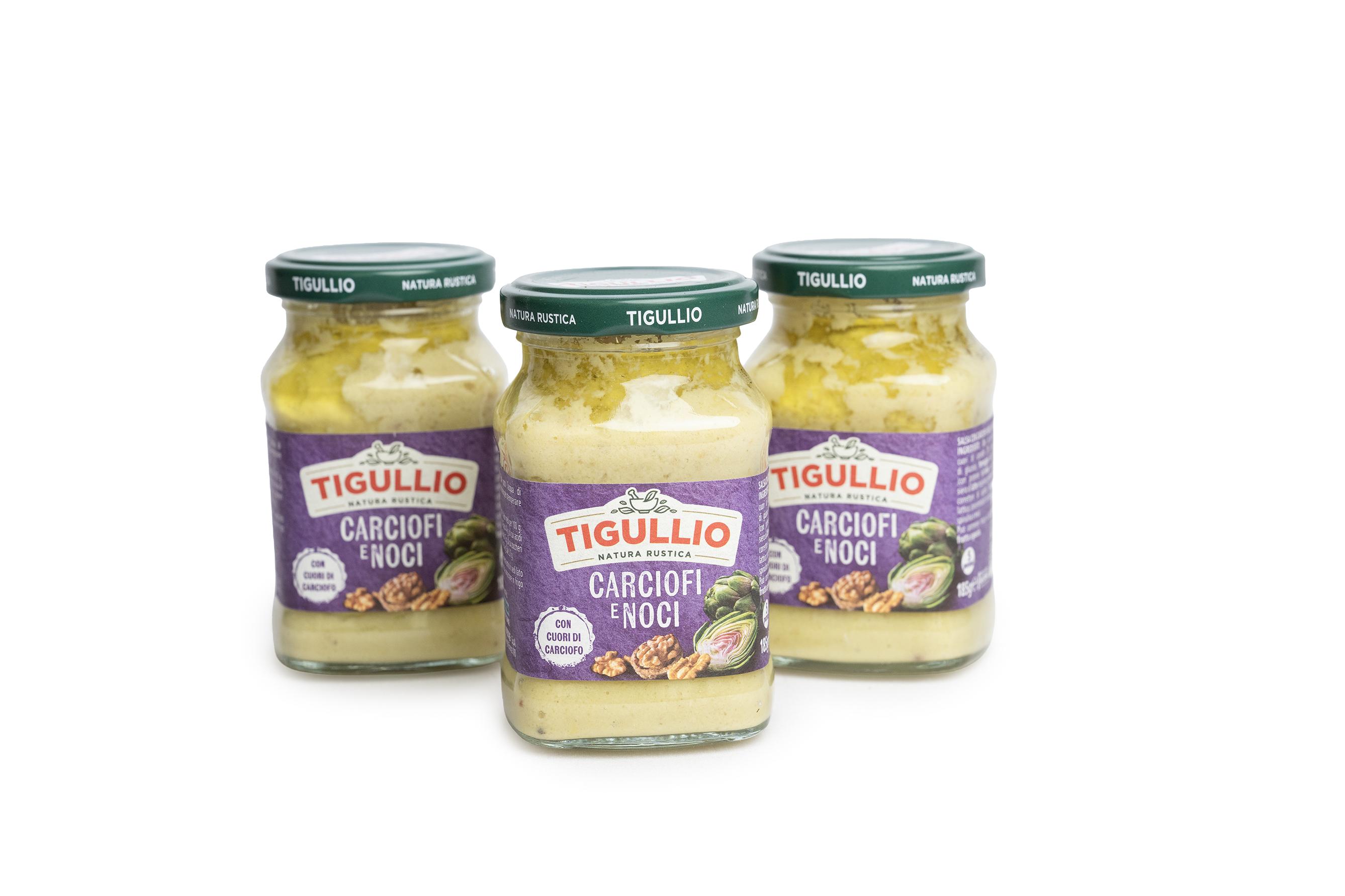
| Artichoke pesto with rosemary extractCBE JU-funded project: SUSTAINEXT This artichoke pesto uses rosemary extract in place of synthetic preservatives. The natural ingredient limits oxidation and browning while softening acidic and bitter notes for a more appealing taste and appearance. Key benefits
|
Cosmetics
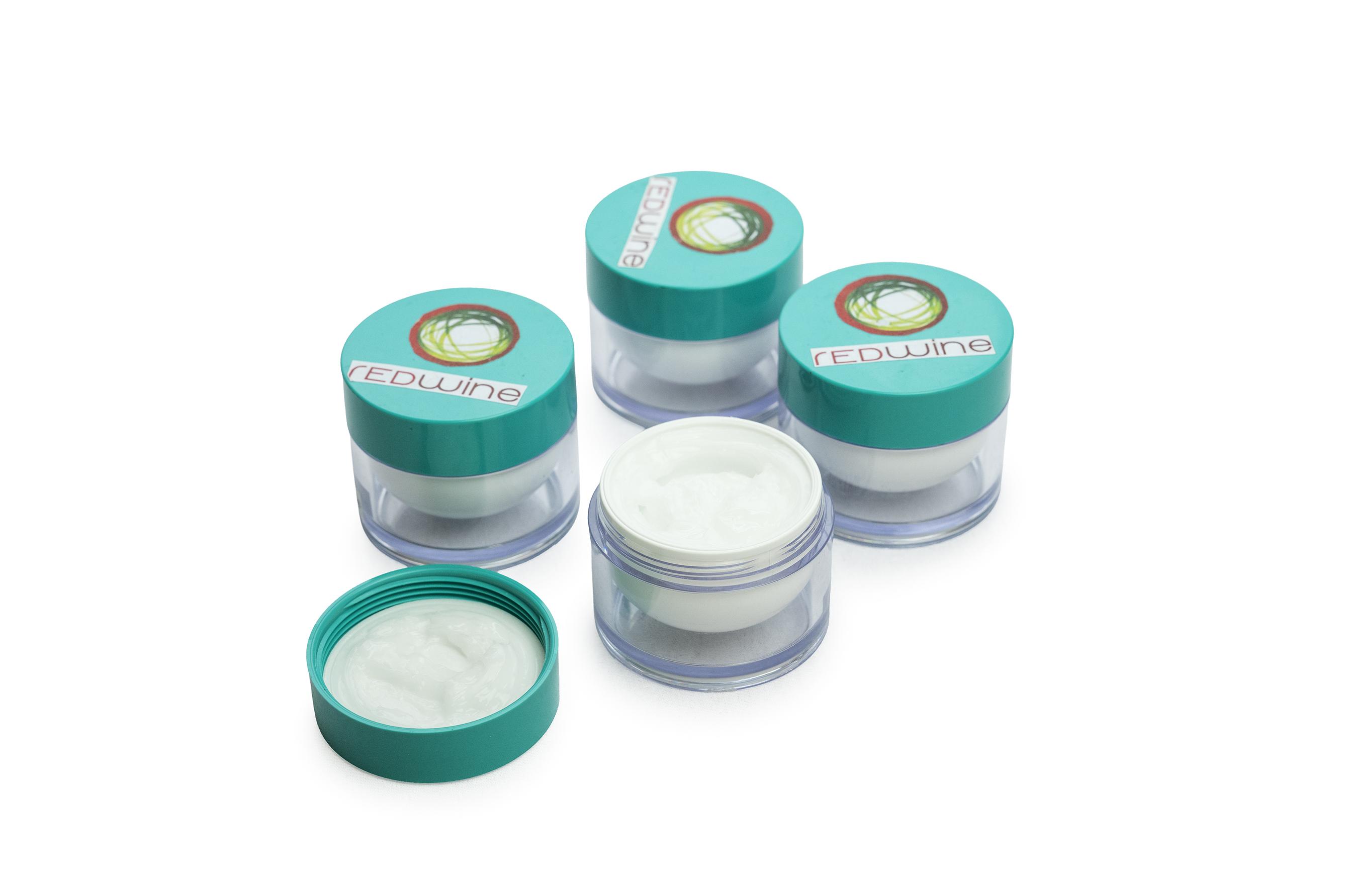
| Cosmetic cream with microalgaeCBE JU-funded project: REDWINE This cosmetic cream combines Chlorella vulgaris extract with ingredients recovered from red wine production. The formulation brings these renewable ingredients into a stable cosmetic product designed to meet microbiological safety and performance requirements. Key benefits
|
Home care
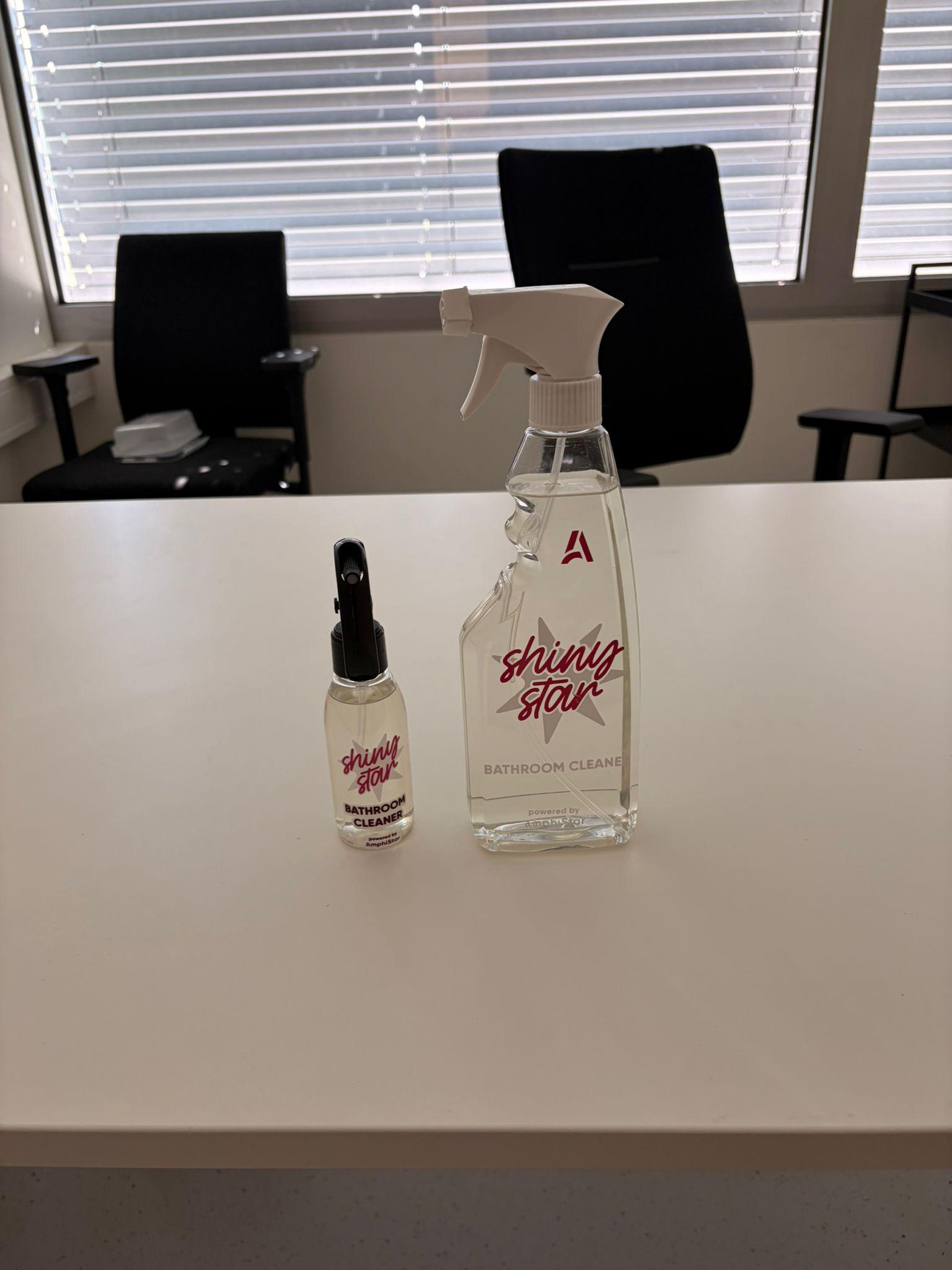
| Bio-based household cleanersCBE JU-funded project: SURFs UP Bathroom cleaners, kitchen cleaners and dishwashing liquids use biosurfactants produced from wood and food-processing side-streams. These formulations deliver everyday cleaning performance with less reliance on fossil-based surfactants. Key benefits
|