BIOnTop
Novel packaging films and textiles with tailored end of life and performance based on bio-based copolymers and coatings
A significant share of plastic waste is still incinerated or sent to landfill, while only a limited proportion is recycled. Improving the recyclability and biodegradability of packaging is therefore important to advancing the EU’s circular economy ambitions.
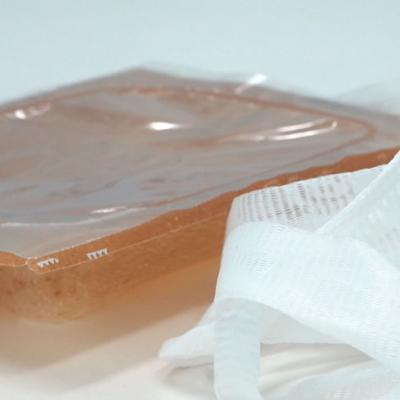
The BIOnTop project developed a range of complementary bio-based plastics, coatings and biocomposites, using renewable resources and, where possible, agro-food by-products. These materials were designed to offer improved end-of-life options while maintaining the performance required for food and personal care packaging. The project produced and tested packaging demonstrators, including home-compostable tea bags, recyclable food trays and lids, and packaging made from secondary raw materials.
BIOnTop also advanced new material technologies, including bio-based copolymers and fatty acid coatings, to improve packaging properties and support recycling and composting. Through collaboration across the bioplastics, packaging, agri-food, personal care and textile sectors, the project helped establish new value chains and assess the environmental and economic potential of these alternatives.
Develop sustainable packaging solutions: create cost-competitive, bio-based biodegradable packaging containing more than 85% renewable resources while maintaining product protection.
Improve recyclability: design packaging that can be mechanically recycled or composted at home or in industrial facilities, reducing plastic waste.
Use sustainable raw materials: source renewable, locally available and sustainably produced feedstocks for bio-based plastics.
Expand end-of-life options: enable material and organic recycling, composting and biogas production, reducing waste sent to landfill or incineration.
Improve waste sorting and assess sustainability: develop a monitoring device to support correct sorting for mechanical or organic recycling, and evaluate biodegradation under different environmental conditions alongside the environmental and economic performance of the materials and products.
Results
Developed bio-based PLA formulations: produced novel polylactic acid (PLA) biocomposites and copolymers using sustainably sourced feedstocks, additives and fillers, achieving formulations with close to 100% bio-based content.
Improved biodegradation and end-of-life options: incorporated bio-based diacids into PLA copolymers, improving biodegradation under milder conditions and enabling additional options for mechanical recycling, industrial composting and home composting.
Enhanced packaging performance: developed removable protein-based coatings and fatty acid grafting technologies that improved the barrier and water-resistance properties of bio-based films, trays and other packaging.
Created recyclable textile coatings: developed bio-based coatings for textile applications, including tea bags, that enabled reprocessing without significant loss of material properties.
Validated packaging demonstrators: produced and tested mono- and multilayer food packaging, including home-compostable tea bags, organically recyclable fruit trays and lids, and bags made from secondary raw materials.
Advanced sustainable-by-design approaches: demonstrated how material formulations and eco-design could be tailored to specific applications and end-of-life routes, improving the potential for recycling and composting under appropriate waste-management conditions.
Impacts
Strengthened cross-sector collaboration: established a new bio-cluster connection and reinforced four existing links across the bioplastics, packaging, agri-food, personal care and textile sectors.
Created new value chains: developed three stable value chains by establishing new upstream partnerships and adapting existing manufacturing processes to replace fossil-derived materials with bio-based plastics.
Advanced bio-based packaging solutions: developed two biopolymer-based innovations for consumer products, including packaging and wrapping applications.
Introduced innovative material technologies: developed and validated two approaches: lower-cost bio-copolymer production through copolymerisation and fatty acid grafting to improve the water resistance and emptying properties of bio-based films.
Improved environmental performance: advanced sustainable-by-design approaches that better addressed biodegradability and recycling requirements, while reducing the environmental footprint of packaging materials.
Improved end-of-life management: developed packaging materials suitable for mechanical recycling, industrial composting and biogas production, helping reduce the costs and environmental burden of packaging waste.