Fermentation has powered the production of chemicals for decades, but it comes with a stubborn drawback: as microorganisms convert sugars into organic acids, they become increasingly acidic, slowing the microbes down and limiting how much product can be made. The usual fix consists of applying caustic soda to keep the pH in balance, which solves one problem while creating another: the sodium builds up in the liquid, leaving behind wastewater that can be saltier than the sea, which in turn demands heavy chemical use and intensive water treatment to prevent saline discharges.
Coordinated by Bio Base Europe Pilot Plant in Belgium, CBE JU-funded LUCRA is working on a way around this trade-off. The project is developing an integrated route that converts the organic fraction of municipal solid waste and wood side-streams into bio-based succinic acid: a versatile chemical used in polyester, polyurethane and a range of everyday consumer products.
A costly clean-up problem
Making succinic acid is only half the challenge. Removing it from the fermentation broth in a usable form is a complex and costly process that leaves behind large quantities of salty effluent and solid by-products such as gypsum, which then need to be treated or disposed of properly. Every one of these steps adds cost, uses resources and works against a sustainable environmental footprint.
The chemical inputs needed to manage pH and the effort needed to recover the product from the broth are two of the main reasons fermentation-based processes struggle to compete on cost with fossil materials - notes LUCRA project manager, Jens Dedeyne - If you have a silver bullet that targets both reasons simultaneously, you change the economics of the whole process.
Pairing fermentation with electrodialysis
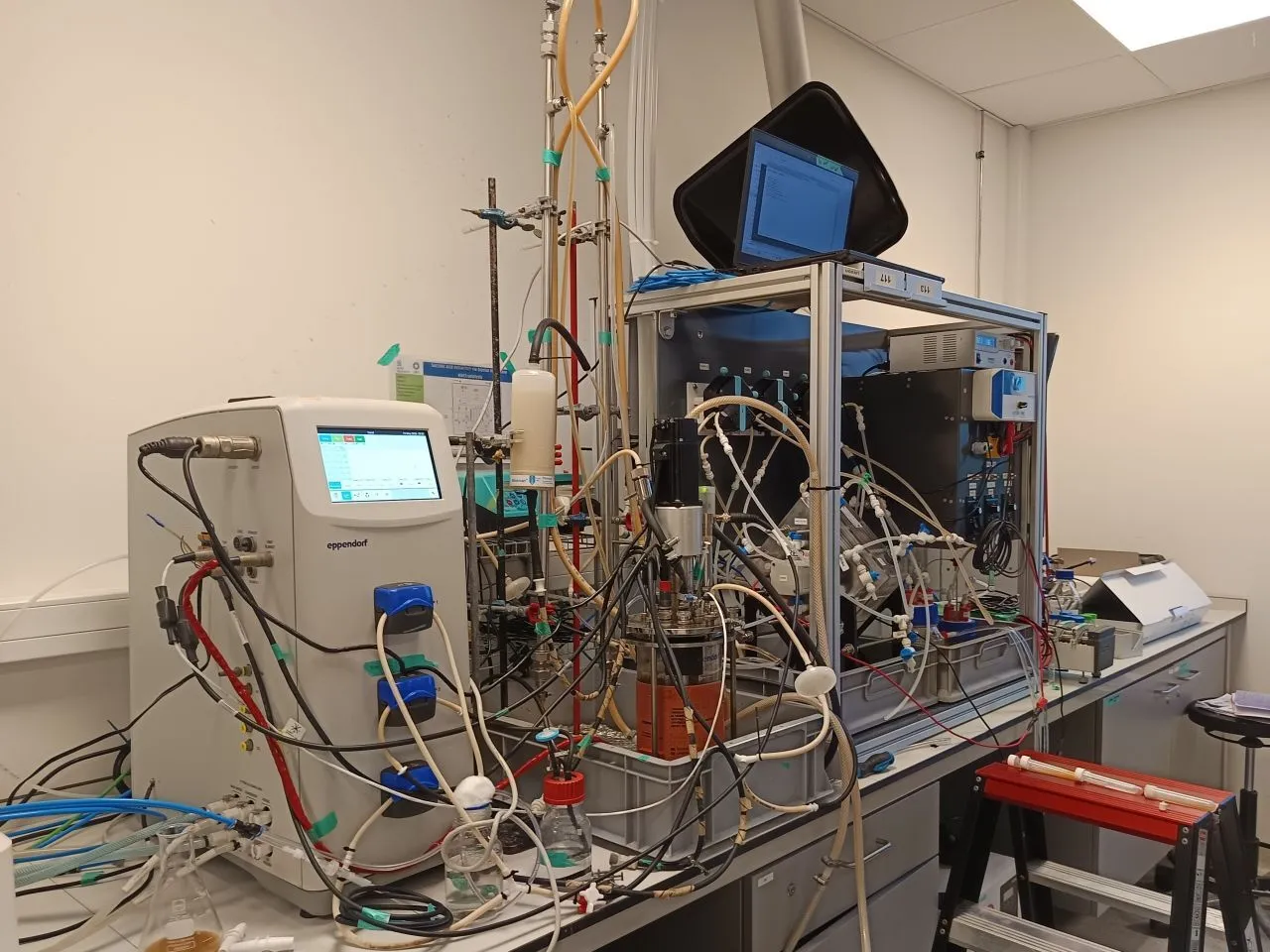
Rather than treating fermentation and downstream purification as two separate steps, LUCRA’s approach is to bring them together into a single, connected process. Their method couples the fermenter directly to an electrochemical separation unit, using a technique called bipolar electrodialysis, a membrane process usually associated with desalinating seawater, now being applied to bio-manufacturing for the first time in this context. Coupled to the bioreactor, the electrochemical separation unit continuously draws succinic acid out of the fermentation broth as it forms, converting the succinate salt into a free acid directly and without added chemicals.
This delivers benefits on both sides of the process: pulling the product out as it is made prevents it from building up and slowing down microbial activity, while the electrodialysis unit generates hydroxide ions that help buffer the broth, cutting the amount of caustic soda that needs to be added. A cell-recycle loop keeps the microbial biomass circulating inside the reactor rather than being lost with the extracted liquid, facilitating higher cell densities and steadier, longer-running operation. Together, the two technologies address one of the major bottlenecks of conventional fermentation by allowing a continuous production process. LUCRA’s approach cuts resource consumption, improves process sustainability and strengthens the economic case for bio-based manufacturing.
From lab towards the pilot line
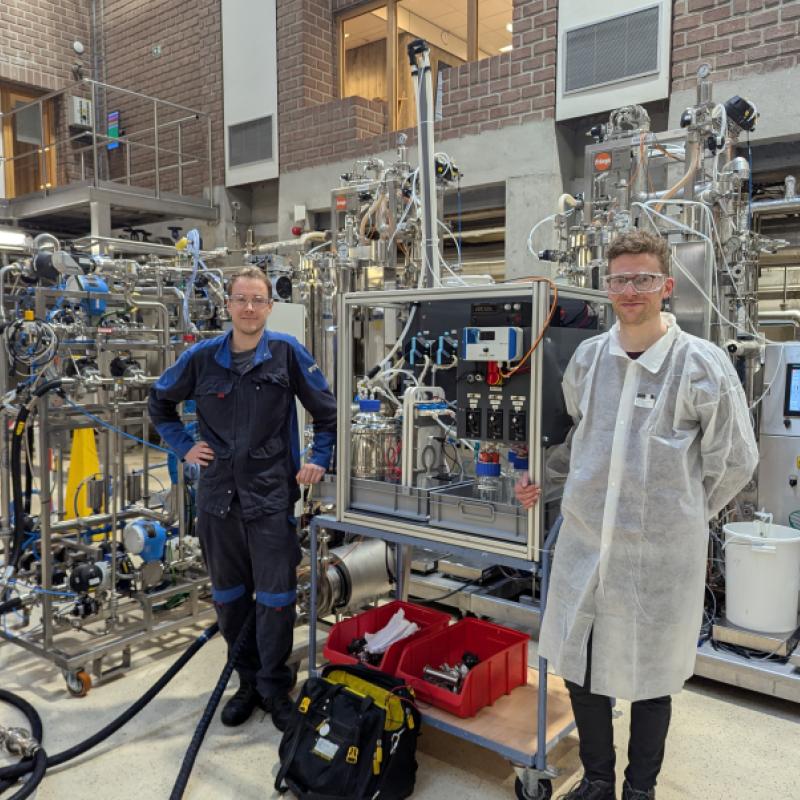
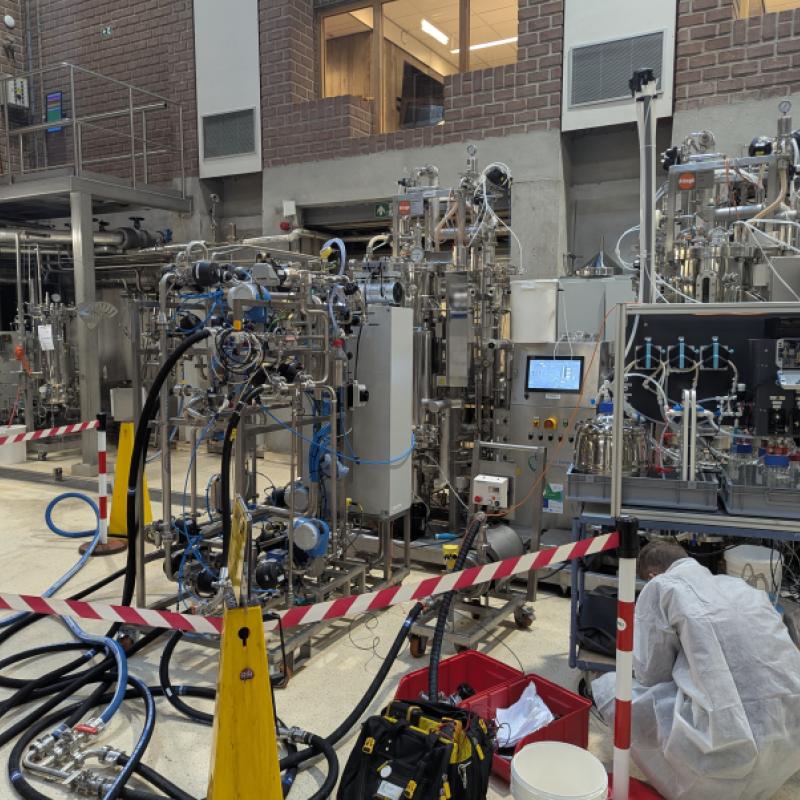
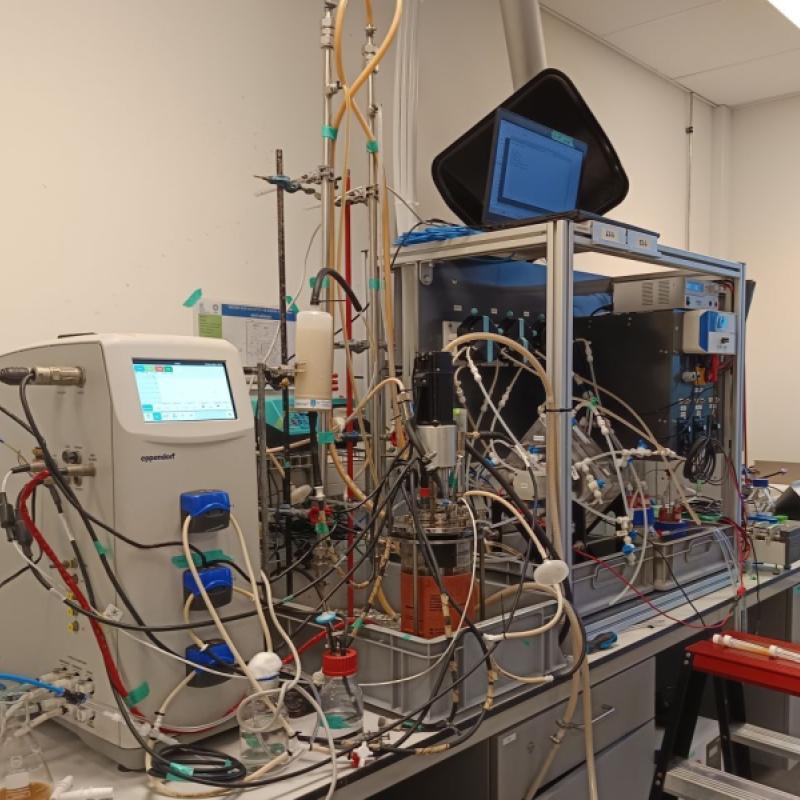
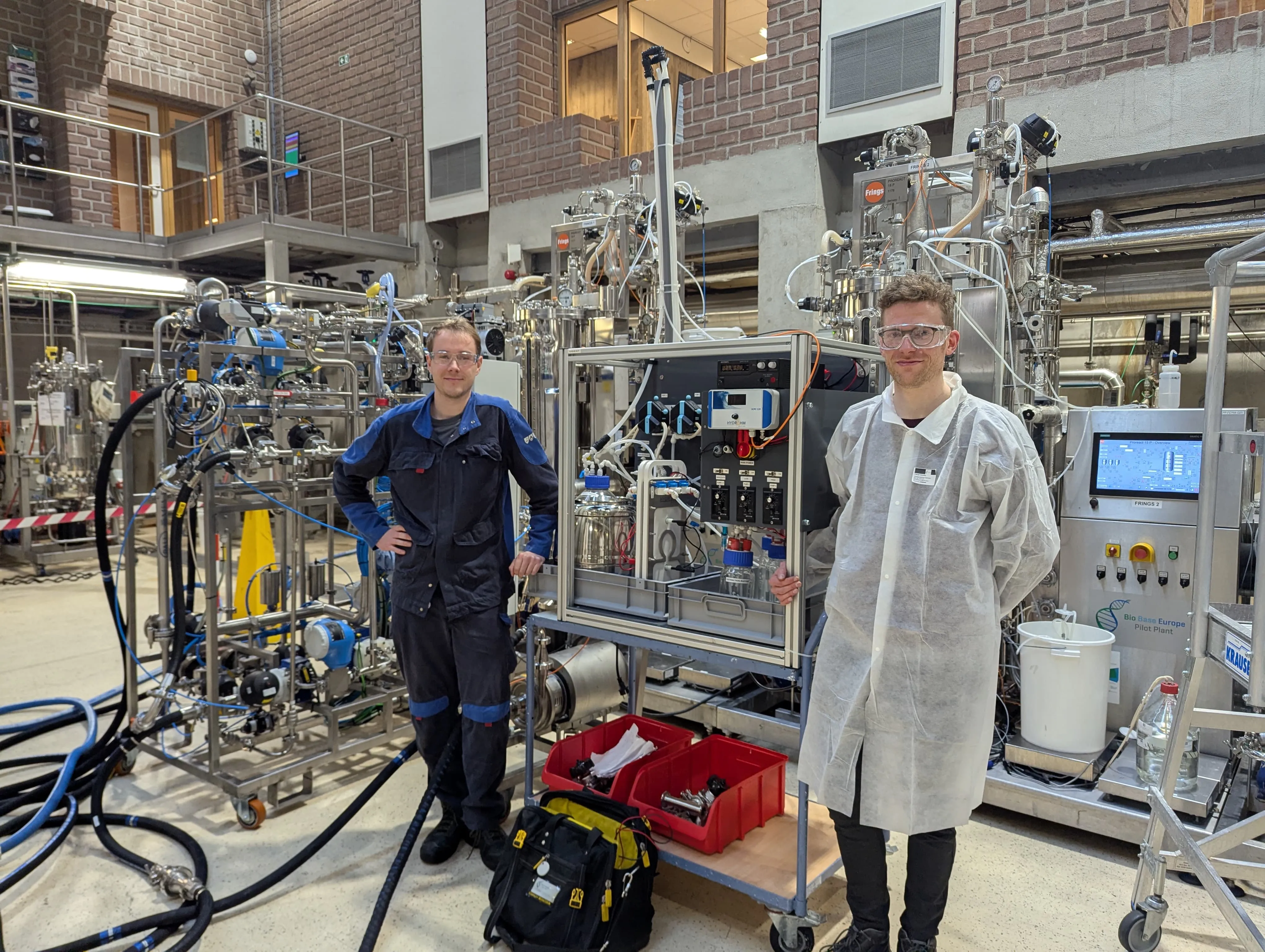
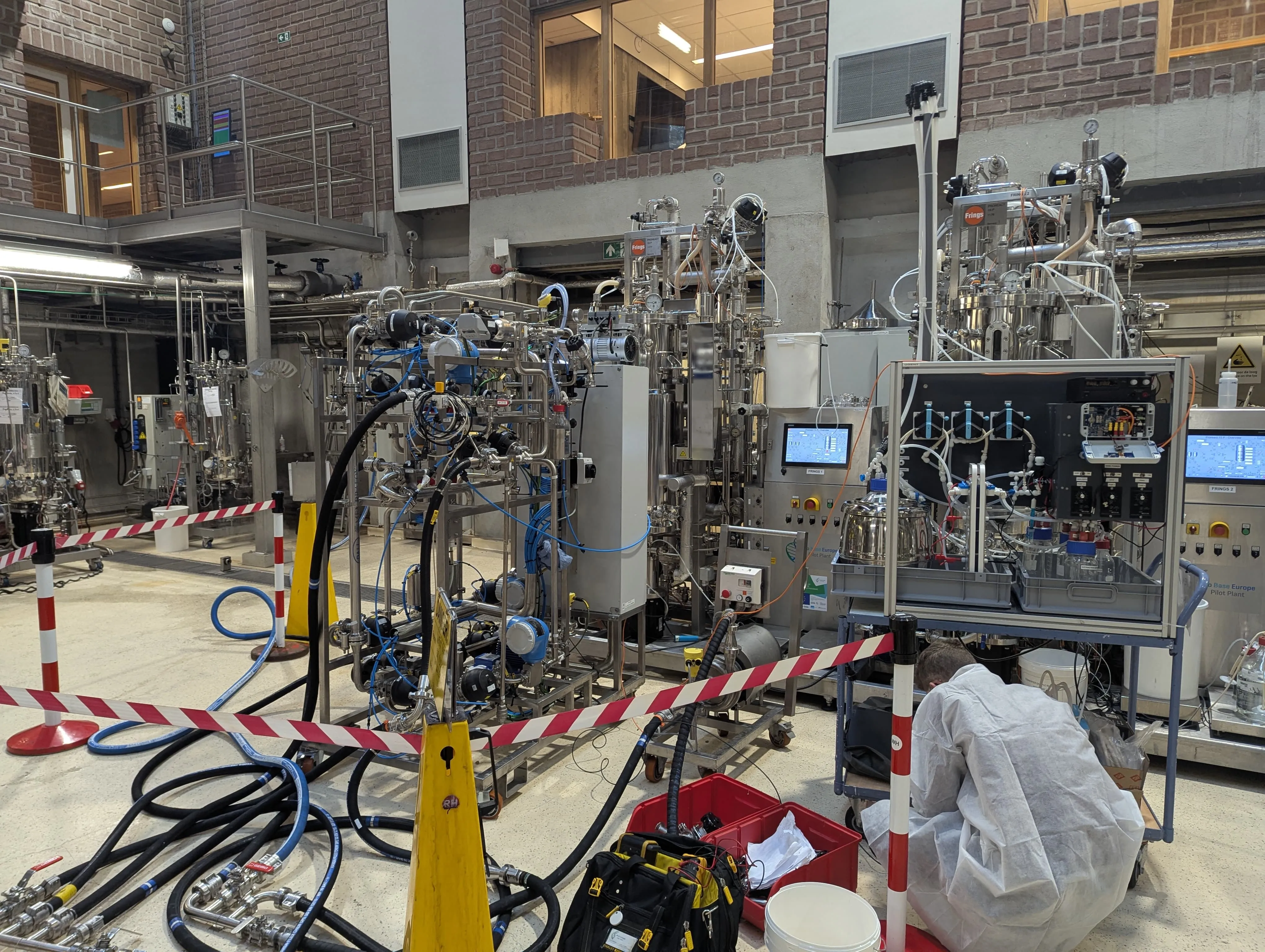
The partnership behind this work brings together coordinator Bio Base Europe Pilot Plant (BBEPP), Ghent University, electrochemical process specialist Hydrohm, and the Agricultural University of Athens. The team has installed and begun integrating Hydrohm’s electrochemical extraction unit, controlled through Ghent University’s advanced process control algorithm, with BBEPP’s custom cell-recycle system and a 150-litre bioreactor at BBEPP’s Ghent facility.
LUCRA is now moving into a phase of optimisation and validation testing, ahead of trials at larger production volumes. The succinic acid produced through this process is destined for use in polyester and polyurethane formulations, materials found in coatings, adhesives and textiles across Europe.
By combining waste valorisation, electrified process engineering and fermentation optimisation, LUCRA is building a case for a new kind of biorefinery: one where separation technology and fermentation processes strengthen each other, rather than being considered separate challenges. The result is a more efficient and sustainable model for manufacturing bio-based chemicals, one that could strengthen the competitiveness of Europe's chemicals industry while supporting the uptake of a circular, low-carbon economy.