Bio-based plastics such as polylactic acid (PLA), starch blends and biopolyesters are gaining ground in packaging as a more sustainable alternative to fossil-based materials. But where they cannot be collected for composting, their environmental norms require other end of life solutions such as mechanical recycling. This is where sorting remains one of the biggest challenges. Most material recovery facilities rely on near-infrared (NIR) optical sorters that are not yet configured to recognise bio-based plastics, risking either contamination of existing recycling streams or losing the material altogether.
The PROSPER project is directly tackling this challenge. Working with the Dutch applied research organisation, the National Test Centre Circular Plastics (NTCP), the project has now completed two consecutive sorting trials, first in July 2025 and again in May 2026, each one moving the technology closer to industrial reality.
Testing under real-world conditions
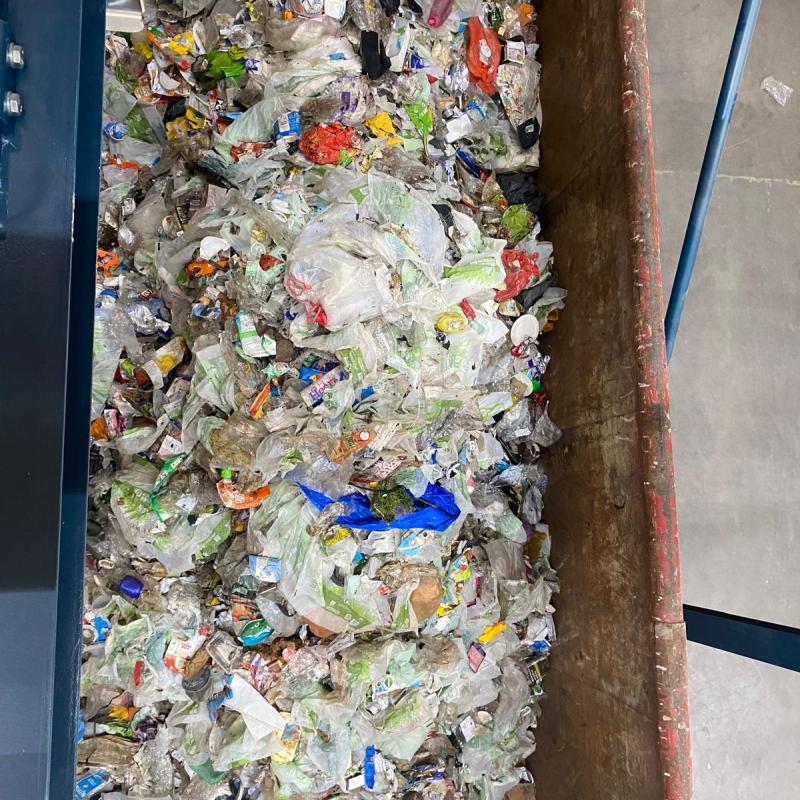
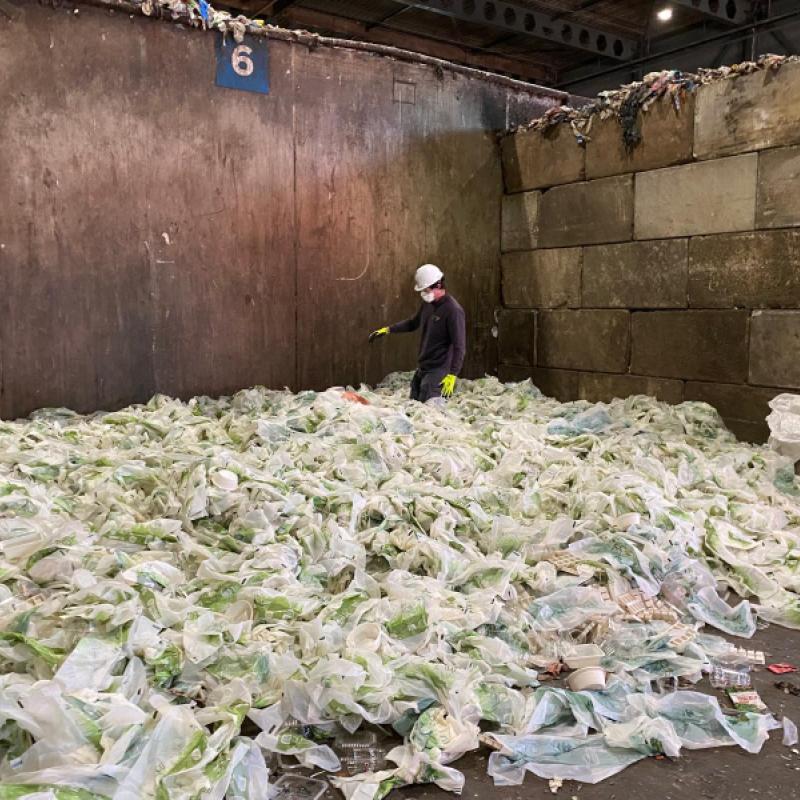
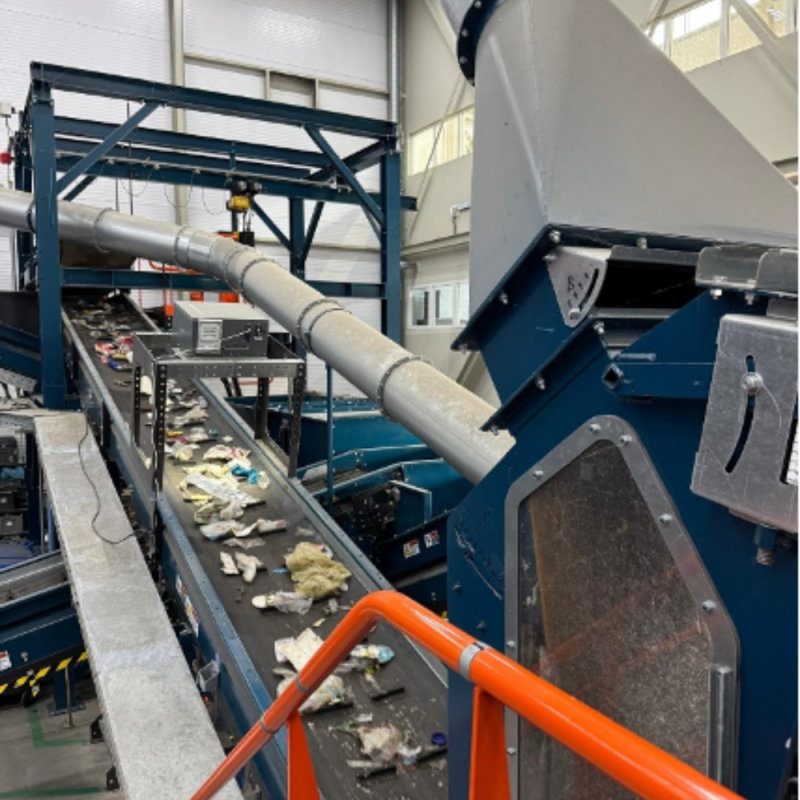
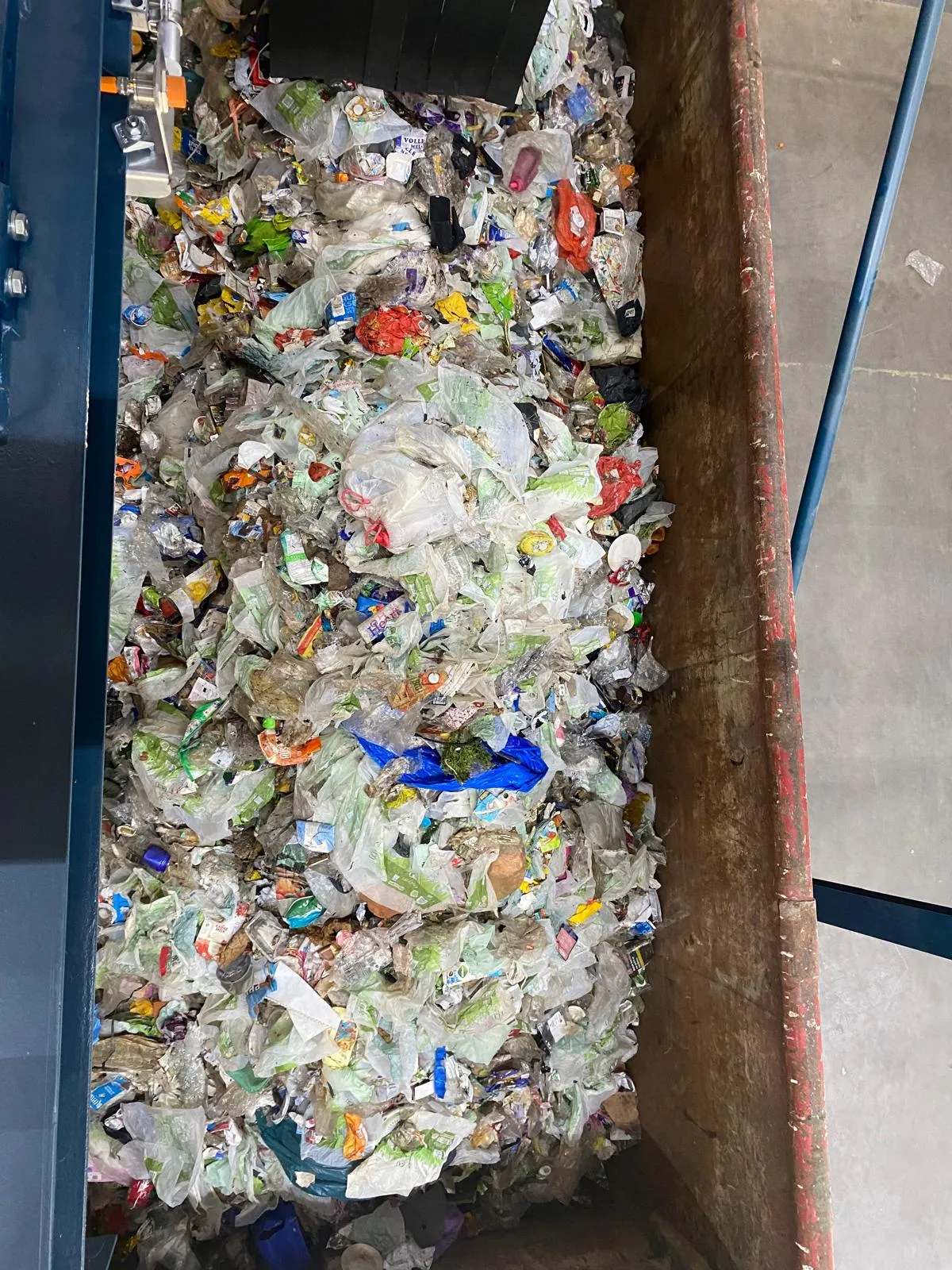
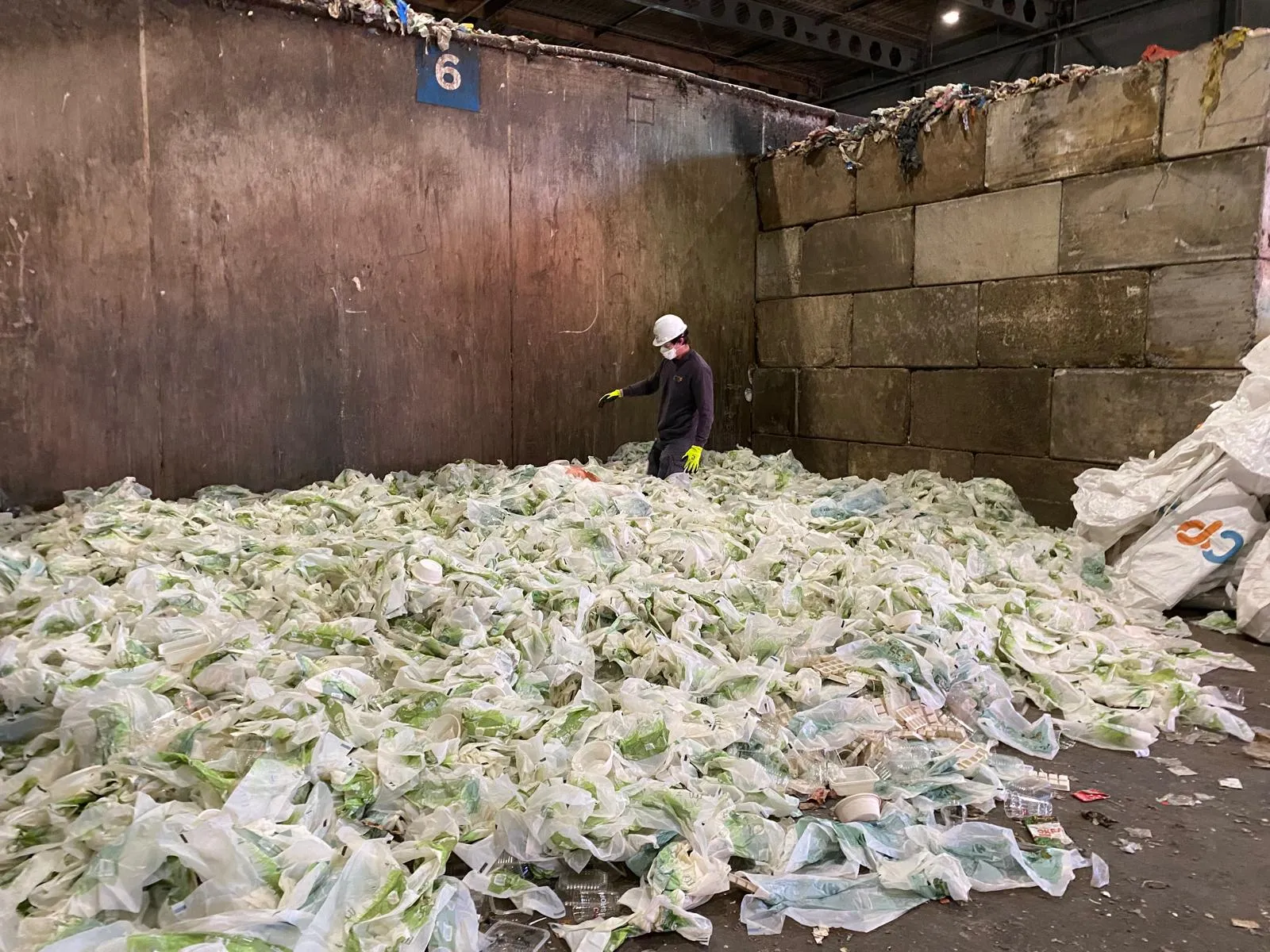
Rather than relying on clean laboratory samples, both trials were designed to recreate the messy reality of household waste. Municipal packaging waste, sourced from a material recovery facility was deliberately mixed and compressed with clean bio-based plastic packaging, contaminating it in a way that mirrored real collection streams. The bio-based materials tested included PLA cups and trays from Futerro, starch blend films from Biotec and a range of biopolyester items from Biotec and Novamont. In total, four tonnes of mixed material were prepared at the facility and transferred to NTCP for processing on its sorting line.
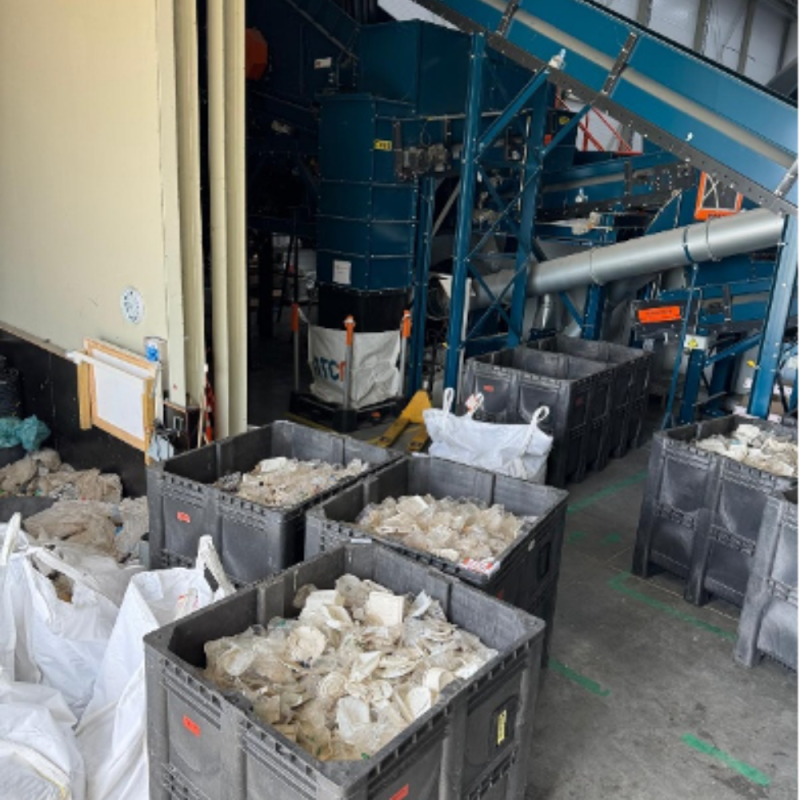
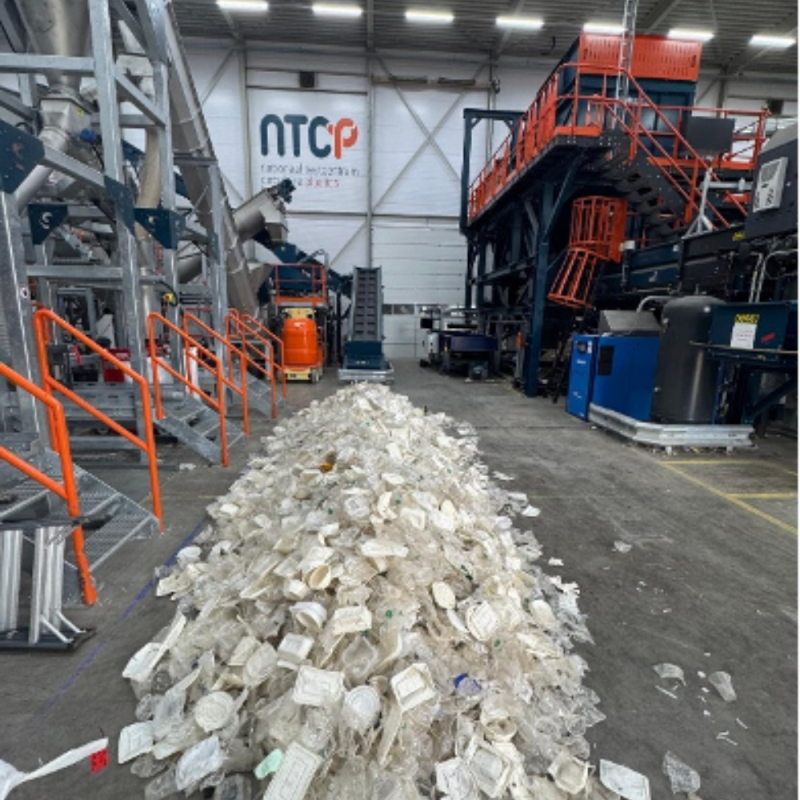
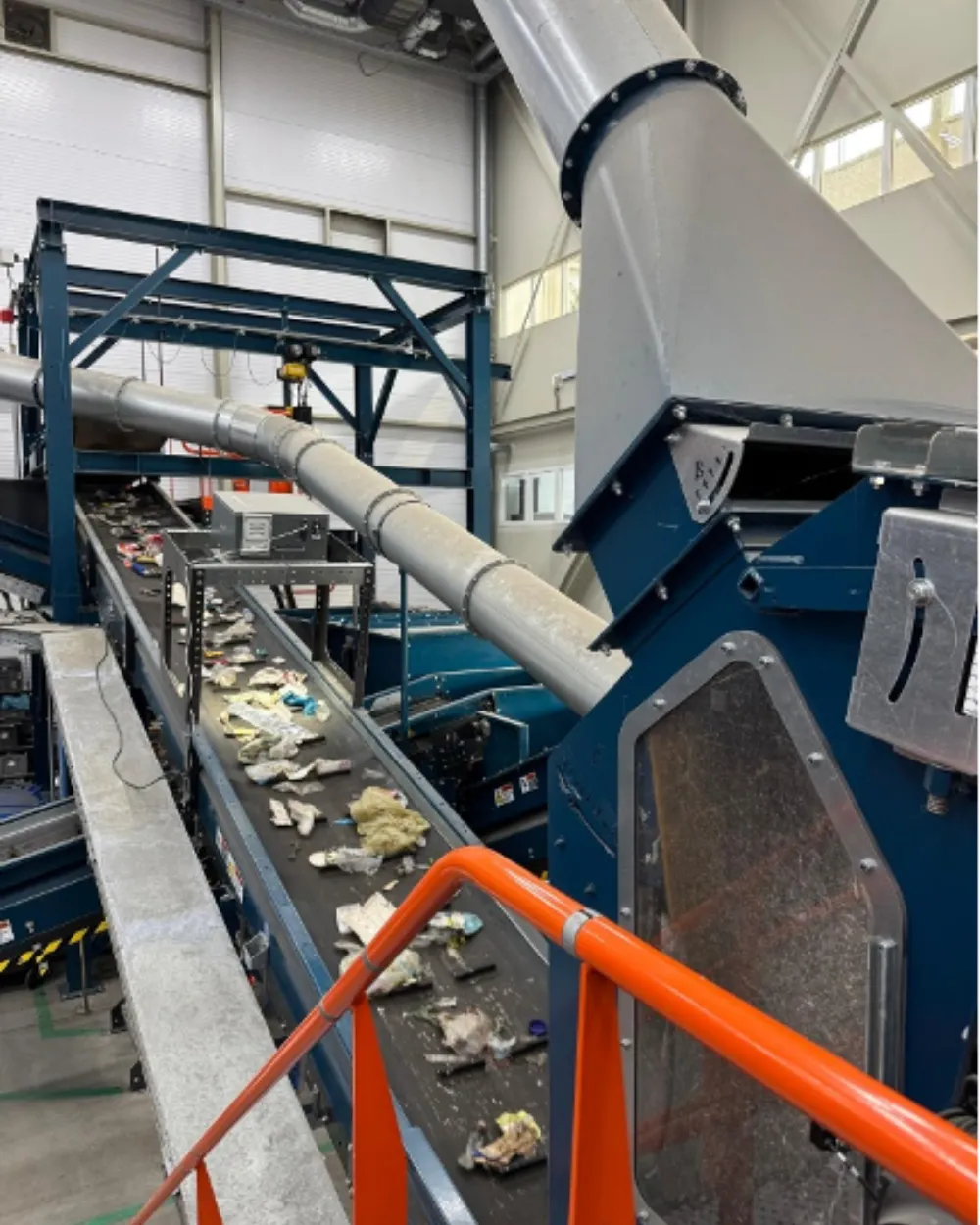
The first trial proved the basic concept: a dedicated bio-based plastics identification programme trained onto a NIR optical sorter could reliably detect and separate bio-based film and rigid plastics from conventional materials like polyethylene terephthalate (PET) and polyethylene (PE). The second trial built directly on this milestone, refining the NIR and vision classification and introducing a dedicated film sorter to test whether yields and purity could be improved and whether the process could generate genuinely usable inputs for mechanical and chemical recycling
Results at industrial scale
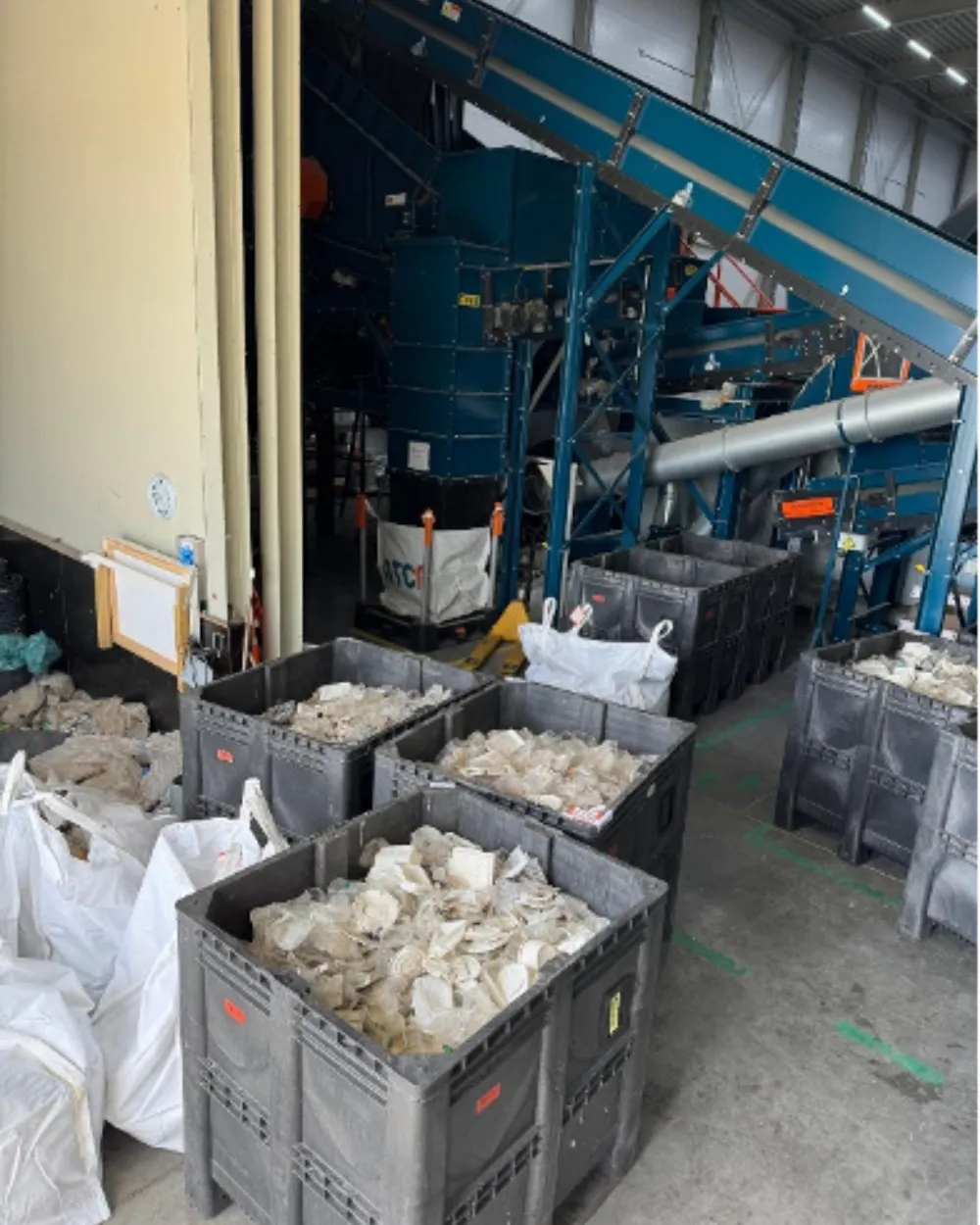
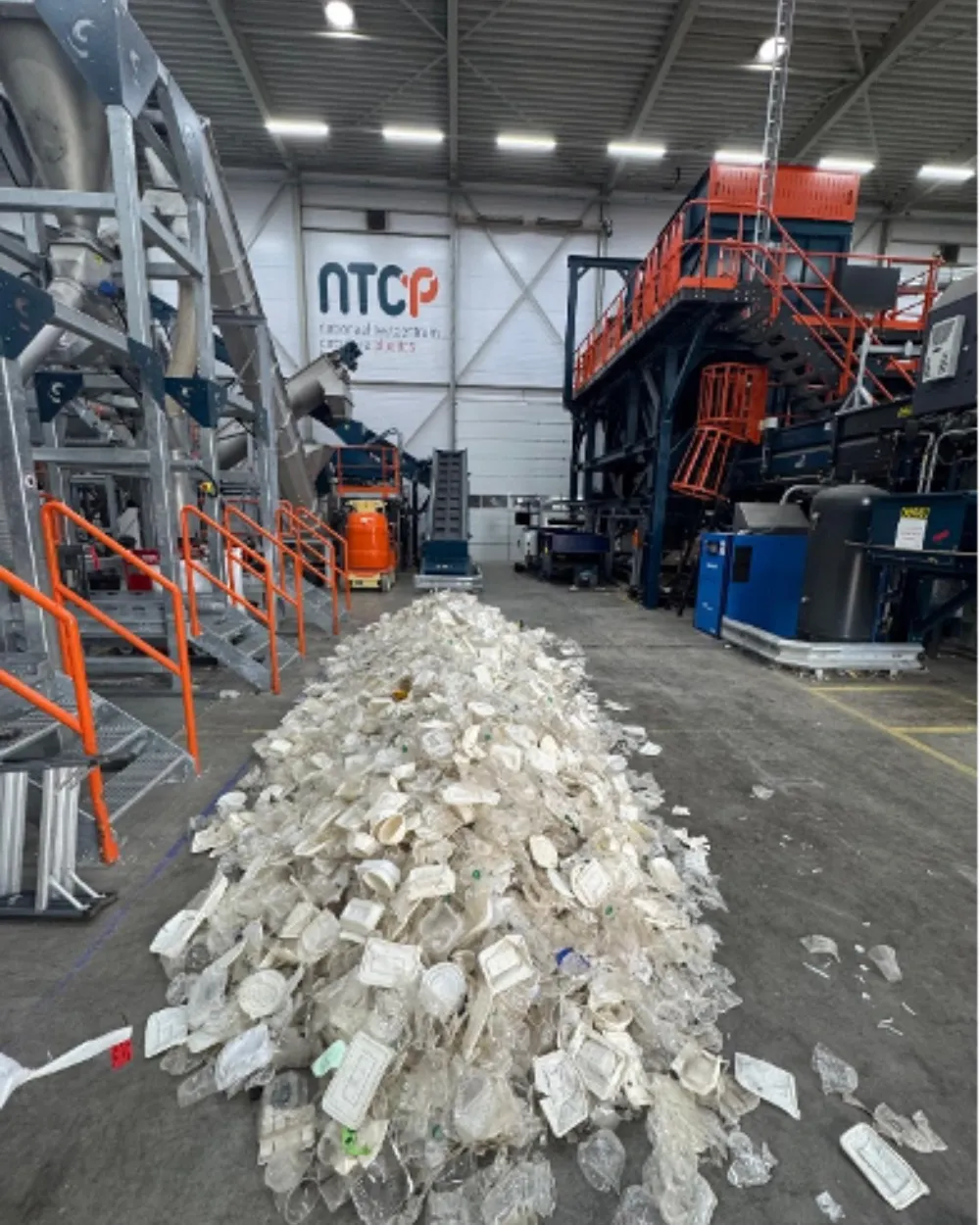
The second trial delivered a clear improvement, particularly for bio-based films. For rigid plastics, the sorting line achieved a 93% yield for biopolyester rigids and 93% purity for the PLA stream, while the biopolyester rigid stream reached around 80% purity, a figure expected to improve further with an additional clean-up step.
Films proved harder to sort, as is typically the case across the plastics recycling sector as a whole, with the trial achieving a 45% yield at around 75% purity using a single optical sorting step. The PROSPER team notes that with the additional clean-up and recovery steps already standard in industrial waste treatment facilities, bio-based films could realistically reach the same performance levels seen for conventional plastics.
These trials are clear indicators of the power of innovation and collaboration. We are now one step closer to a future where bio-based plastics have a place within the circular economy.
Serhat Arca, senior RD engineer at NTCP
From pilot trial to real waste facilities
With sorting now proven at an industrially relevant scale, PROSPER’s next step is to move testing out of the pilot environment and into operational waste management facilities. Trials are planned with A2A in Italy, SUEZ in France and FCCMA in Spain, providing further evidence that dedicated bio-based plastic streams for mechanical and chemical recycling can work in practice, not just in demonstration.
Creating a dedicated stream of bio-based plastics is the first step towards building a large-scale recycling system tailored to these materials in regions where they are not destined to organic recycling.
David Newman from PROSPER’s team
A timely solution for a new regulatory reality
The results arrive at a critical moment. Since 12 August 2026, the EU’s Packaging and Packaging Waste Regulation (PPWR) will introduce, among other measures, restrictions on perfluoroalkyl and polyfluoroalkyl substances (PFAS) in food packaging. From 2030, all packaging placed on the EU market will be required to be recyclable, alongside mandatory targets driving progress towards full recyclability. For bio-based plastics, meeting that bar depends on more than material design. The challenge is whether these materials can actually be sorted and recovered once they enter the waste stream. In limited EU regions, bioplastics can be collected with organic waste streams and composted. For the most part however, without dedicated sorting capability, bio-based packaging risks contaminating conventional recycling lines or being lost to incineration altogether, undermining the very outcome PPWR is designed to secure. By proving that bio-based films and rigids can be reliably identified and separated at industrial scale, PROSPER is turning a regulatory requirement into a scalable industrial process just as the new rules come into force.
What's next?
Alongside the facility trials, the project will now turn to pretreatment steps such as washing to prepare sorted bio-based plastics for recycling, and on advancing the mechanical and chemical recycling processes using material recovered directly from real waste streams. Together, the two NTCP trials mark a significant step towards integrating bio-based plastics into Europe’s circular economy, showing that with the right sorting infrastructure, these materials can be reliably separated and channelled into recycling systems built specifically for them.