Across Europe, the agri-food sector generates large quantities of organic waste and nutrient-rich sidestreams that are often underused or sent for disposal. Around 58 million tonnes of food waste are produced every year, a burden with significant environmental, social and economic costs. At the same time, European agriculture relies heavily on fertilising products to maintain crop productivity, with significant amounts of fertilisers and raw materials being imported. LANDFEED is addressing both challenges by developing technologies that recover nutrients from locally available waste streams and turn them into bio-based fertilisers and bio stimulants.
Turning a dairy by-product into plant nutrition
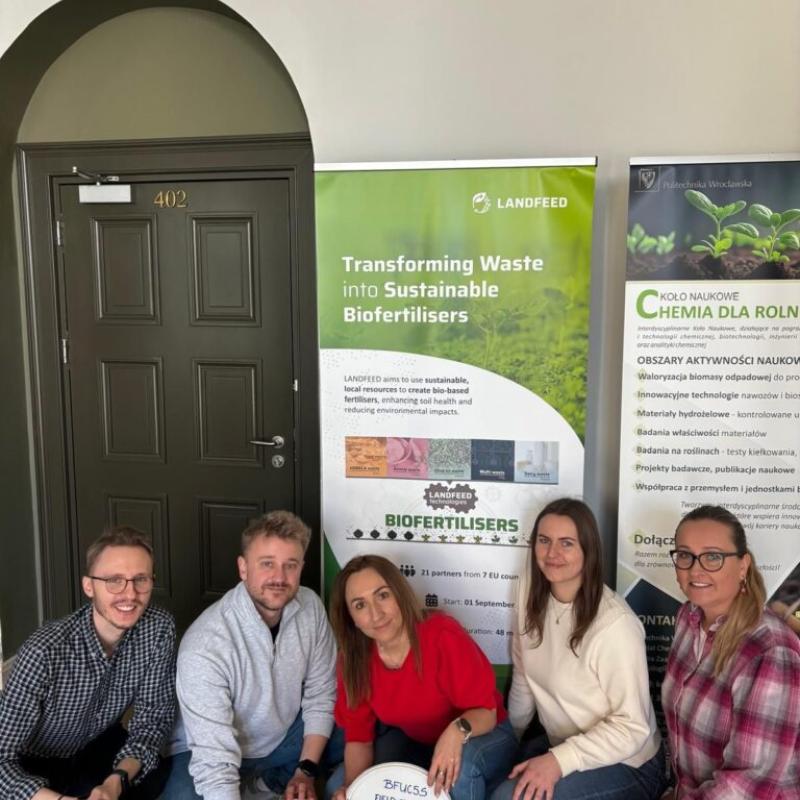
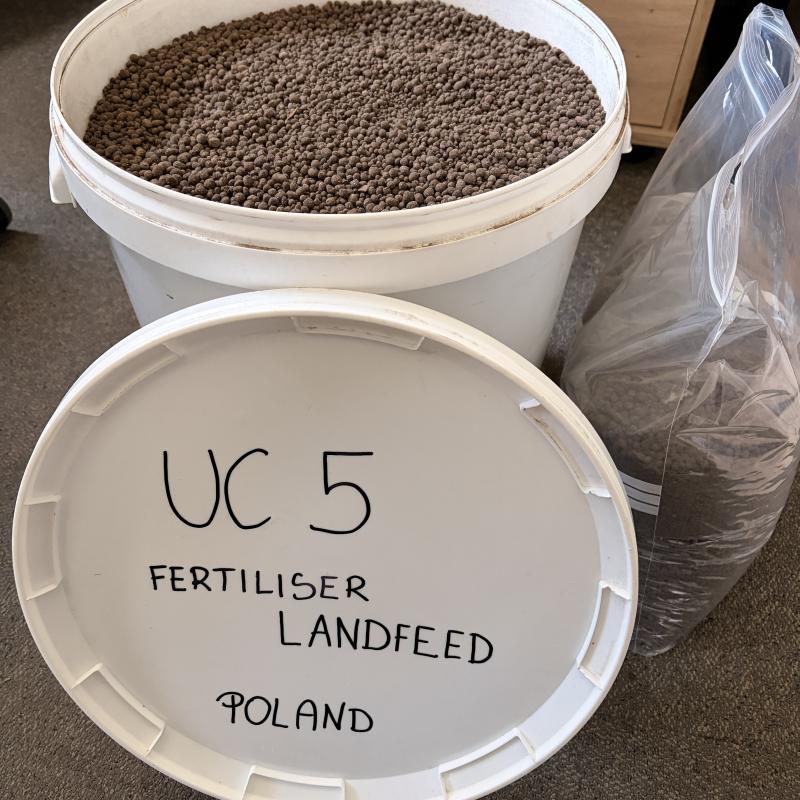
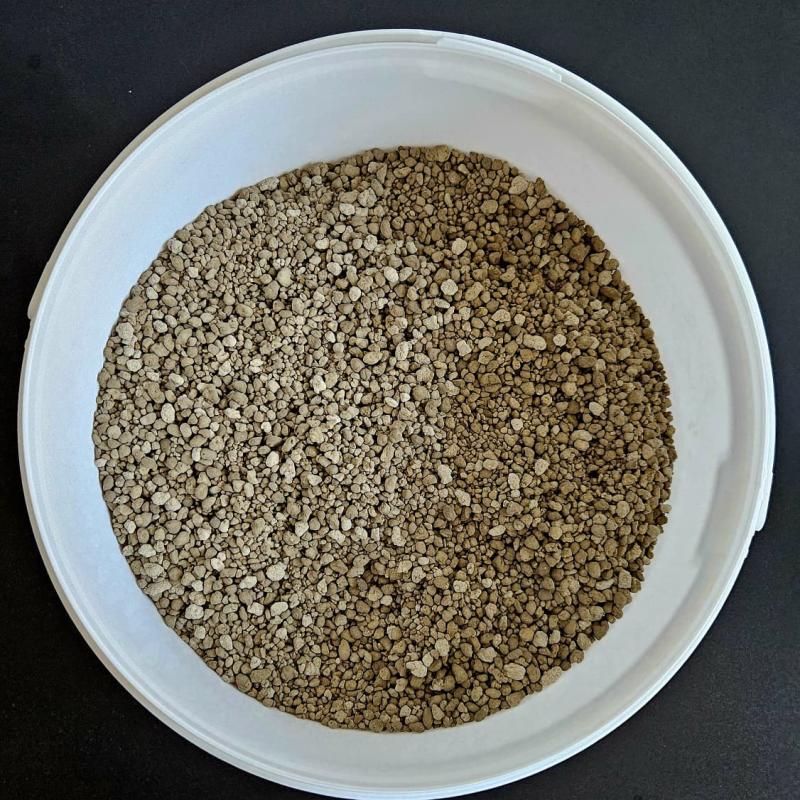
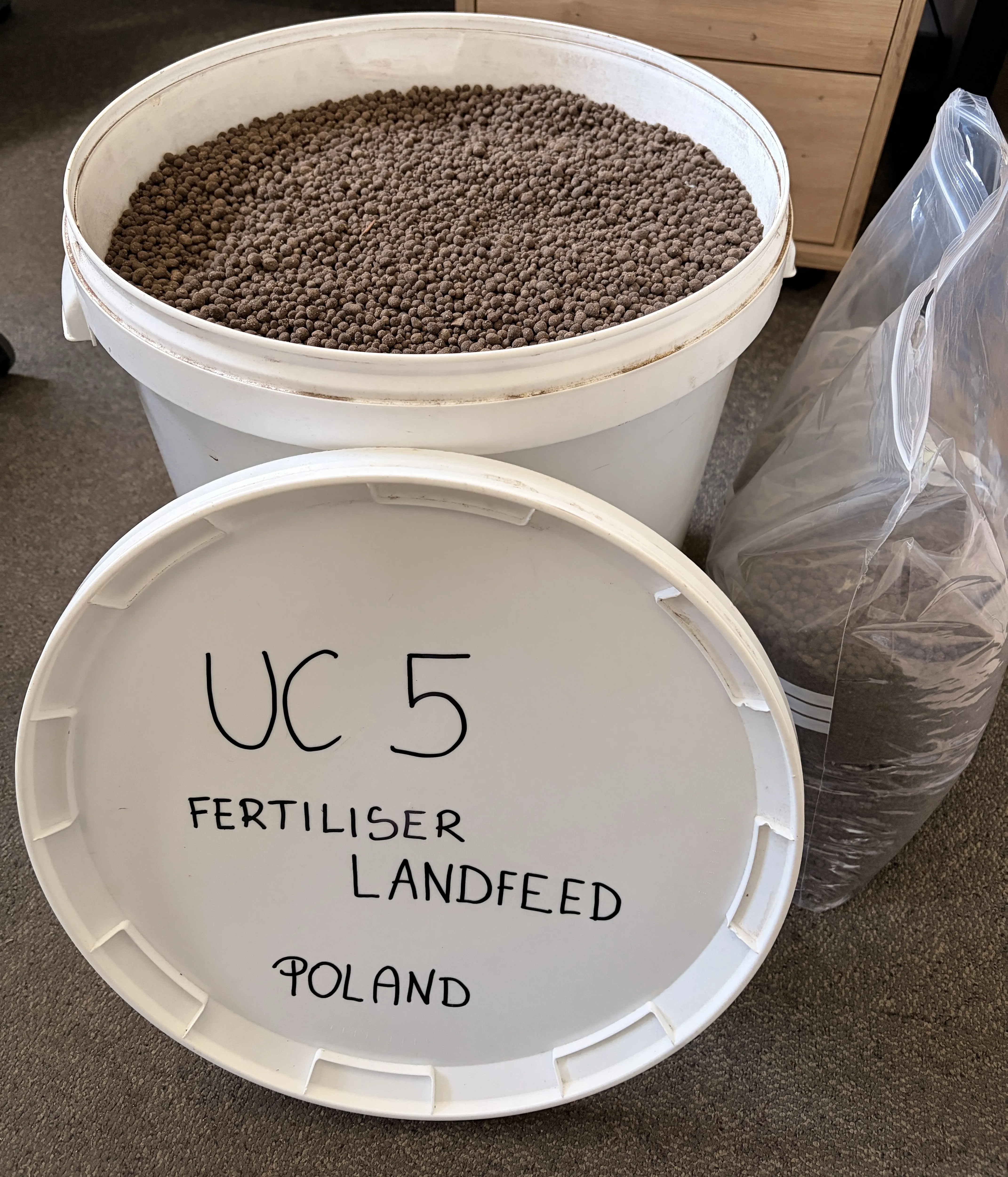
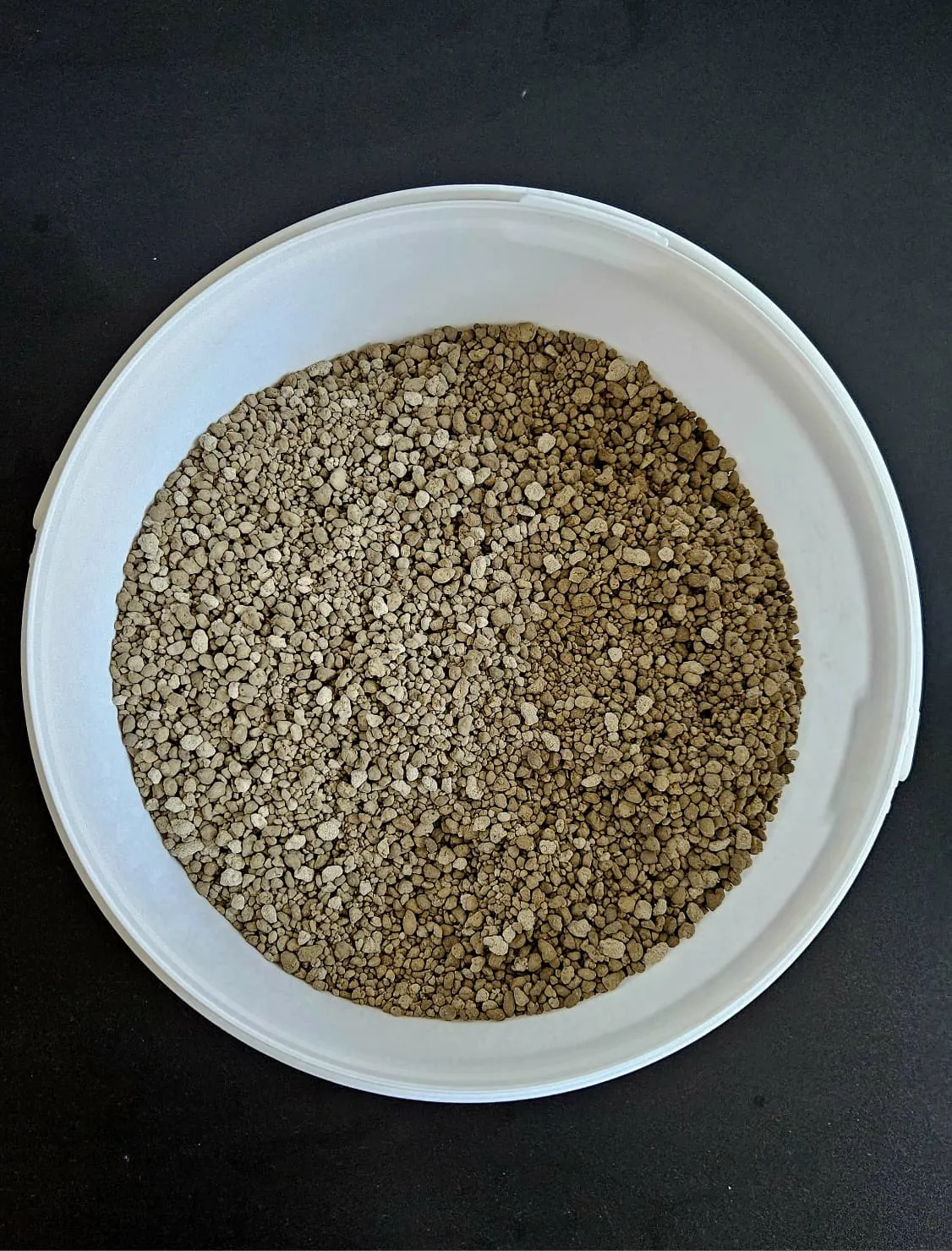
Dairy processing generates large volumes of nutrient-rich waste every day, much of it underused despite its potential value to agriculture. In the LANDFEED's Polish use case (UC5), project partner Wrocław University of Science and Technology (WUST) supplies waste from the dairy industry (including whey, dairy sludges and wastewater from the milking process) which researchers convert into two bio-based products: a granulated organo-mineral fertiliser and a liquid biostimulant rich in free amino acids.
The conversion relies on a sequential chemical and enzymatic hydrolysis process developed specifically for this use case. First, combined acid and alkaline hydrolysis recover nutrients from the dairy waste without requiring a separate neutralisation stage, while being optimised to reduce nitrogen losses and increase the bioavailability of nutrients for plants. This is followed by enzymatic hydrolysis, which increases the concentration of free amino acids that support plant growth and improve crop resilience to environmental stress. The approach cuts waste sent to disposal, reduces dependence on imported fertilisers and strengthens Europe's nutrient self-sufficiency, one of the core objectives of LANDFEED.
Scaling up the production process is a crucial step towards the potential industrial implementation of the technology. The successful production of the first 10 kg batch of granulated bio-based fertiliser demonstrates the progress made in translating our research into a larger-scale process and brings us closer to assessing its practical and industrial potential.
Prof. Katarzyna Chojnacka, project representative from Wrocław University of Science and Technology
A milestone on the path to certification
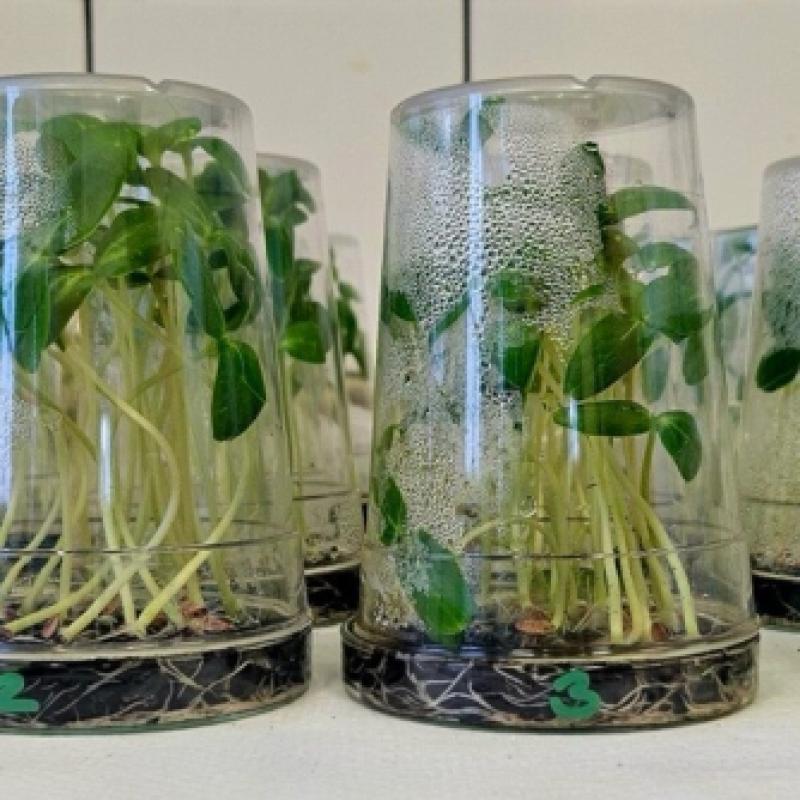
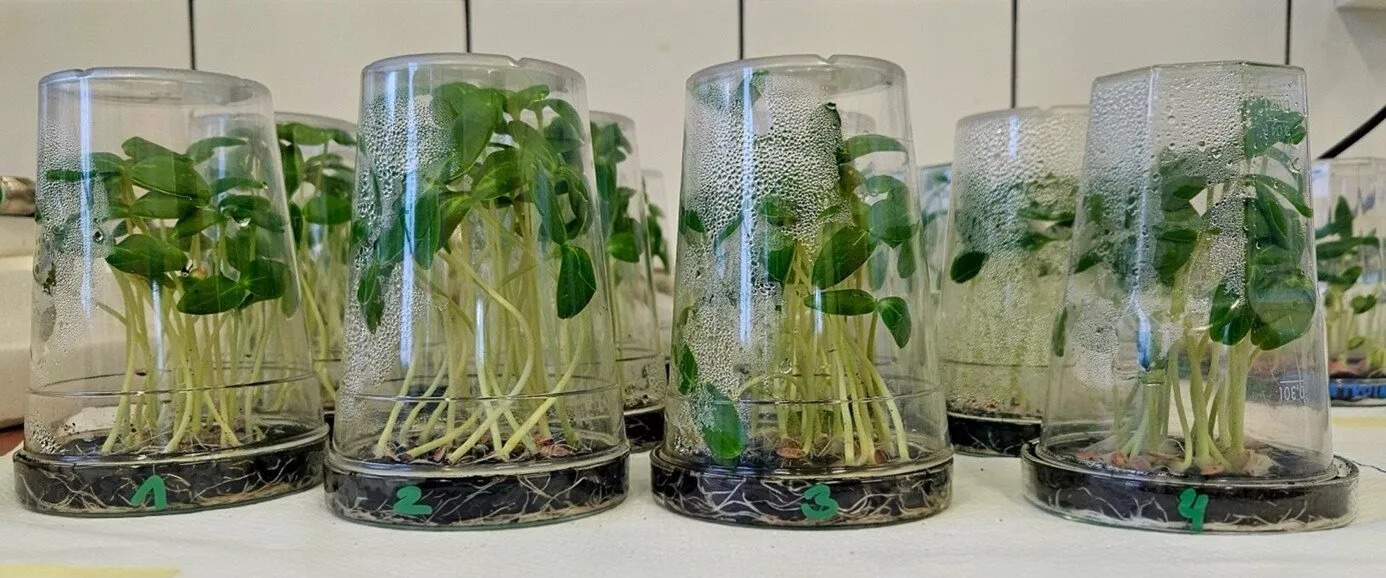
Before any bio-based fertiliser can reach a farmer's field, it must be confirmed as effective and safe. Early results for the UC5 product are encouraging: the granulated organo-mineral fertiliser and its accompanying bio stimulant have shown promising compliance with the EU Fertilising Products Regulation (EU) 2019/1009, the legal framework governing fertilising products across the single market. Initial germination tests have also ruled out phytotoxic effects, an essential check that the product does not harm seedlings before it is trusted with real crops.
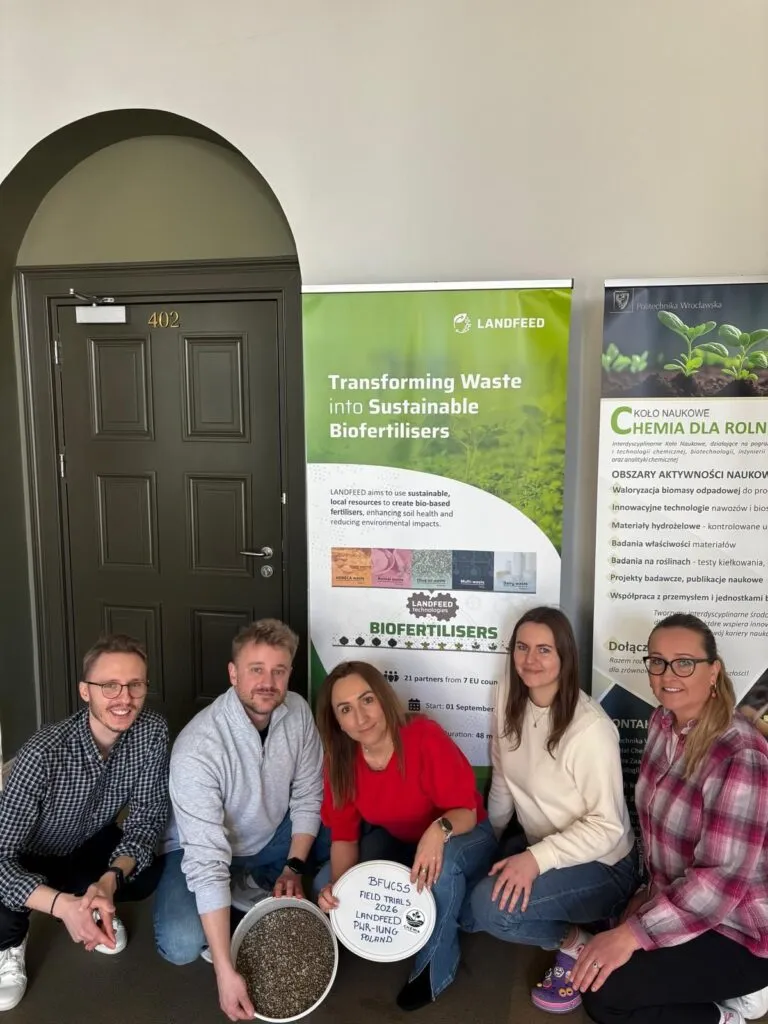
Last spring, the team delivered 10 kg of the granulated fertiliser to the Soil Science and Plant Cultivation State Research Institute (IUNG-PIB) for official registration testing, a required step in bringing the product into real agricultural use. The fertiliser also gets validated in the field, with microplot experiments at IUNG-PIB's Jelcz-Laskowice experimental station that tested application rates on wheat and maize, two of the world's most widely cultivated cereals. Plant and soil samples are analysed in IUNG's accredited laboratory, with four soil sampling campaigns scheduled over the two-year study to assess effects on crop nutrition and soil health. Results from the field study will feed into the documentation required for the fertiliser's certification process, also carried out by IUNG.
Making fertilisers smarter
Registration and field validation are only part of the story. LANDFEED is also developing biodegradable coatings based on chitosan (a natural, biodegradable substance derived from chitin, which is found in the shells of crustaceans) and microalgae, designed to give bio-based fertilisers, including the UC5 dairy-derived product, a controlled, slow-release nutrient profile. By releasing nutrients gradually rather than all at once, these coatings are expected to improve fertiliser efficiency, optimise crop yields and reduce pressure on water resources. The coatings will undergo field trials across each of LANDFEED's five testing sites under different environmental conditions, to validate performance and evaluate nutrient release control.
International collaboration is the future of science, and LANDFEED is a very good example of how cooperation across countries can help address complex challenges. Within the project, we are working together to develop bio-based fertilisers and innovative coatings that can enable the controlled release of nutrients. Combining expertise from different research institutions and countries is essential for turning these ideas into practical solutions.
Dr Dawid Skrzypczak, project researcher at Wrocław University of Science and Technology.
Alongside its Polish dairy-waste use case, LANDFEED runs four other demonstrators in Spain, France, Greece and Italy. They turn animal, olive oil, hospitality industry and mixed waste streams into bio-based fertilisers. The Italian use case has already been highlighted as a best-practice example in a 2026 report on critical raw materials circularity by ICESP, the Italian Circular Economy Stakeholder Platform, a sign of the wider recognition LANDFEED's approach is beginning to attract as it moves from the laboratory towards the field. By adapting its technologies to different regional resources, LANDFEED is exploring how waste-derived fertilising products can be effectively integrated into agricultural systems, while developing solutions with potential for replication across Europe.
For me, one of the most important aspects of LANDFEED is its contribution to reducing Europe’s dependence on external supplies of essential raw materials, including those needed for fertiliser production. This is particularly relevant in the context of long-term food security. I am very happy that my PhD research is focused on such an important challenge, and that the promising results we are achieving may contribute to real-world solutions.
Rafał Taf, MSc Eng., PhD student at Wrocław University of Science and Technology
A European approach to circular nutrients
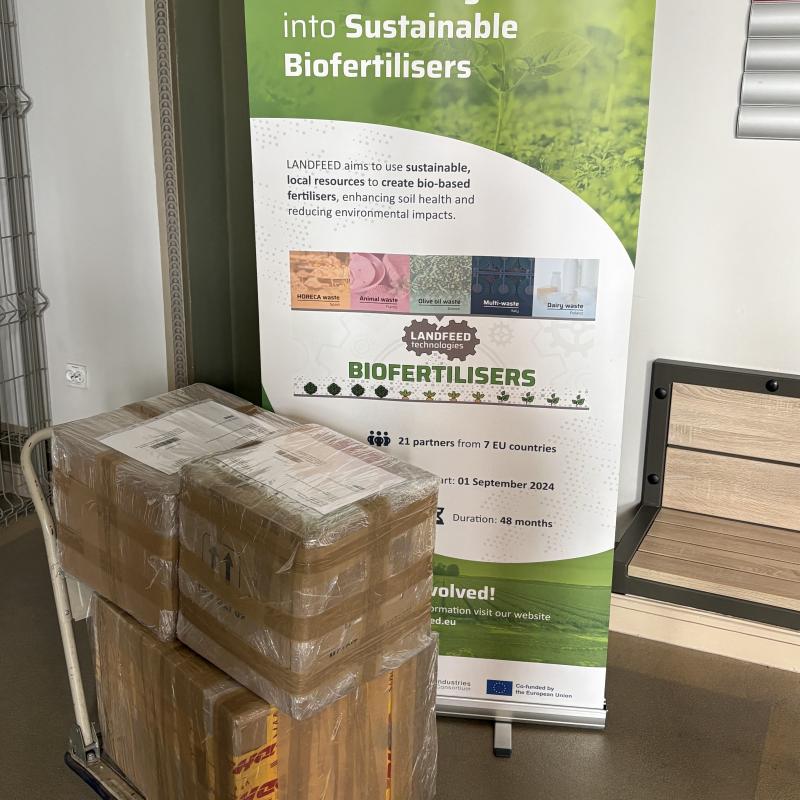
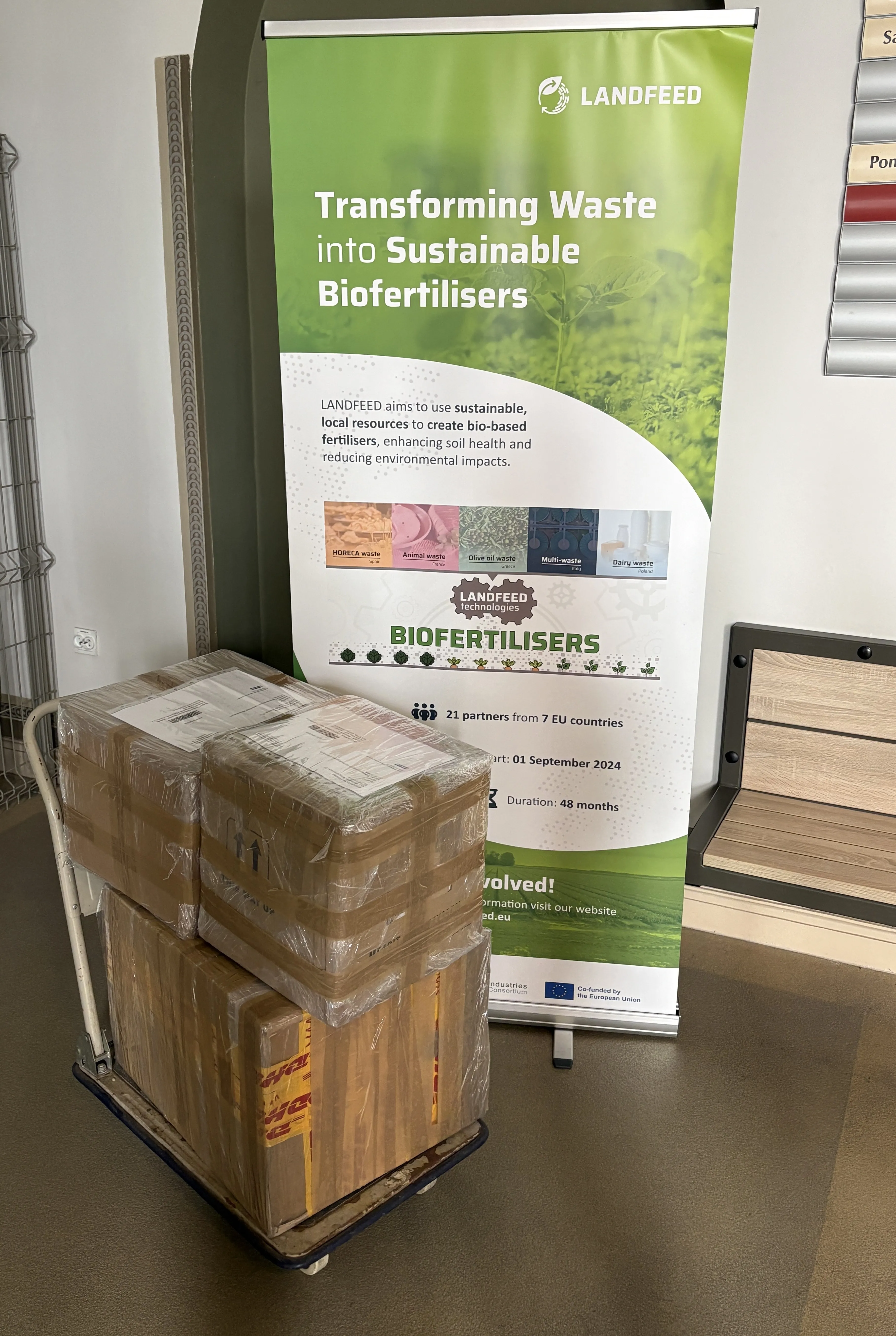
The project has also moved beyond laboratory-scale production by completing a scale-up trial using 100-litre reactors, producing more than 100 kg of fertiliser. Part of this batch is now travelling to France where it will be tested in controlled outdoor plots that mimic real soil and growing conditions, and to Spain, for the development of the biodegradable coatings described above.
This cross-border exchange, drawn from a consortium of 21 partners across seven countries, contributes to LANDFEED’s promising results in moving from laboratory experiments towards real-world application with an impact on chemical-free soils, self-sufficiency and stronger crops.