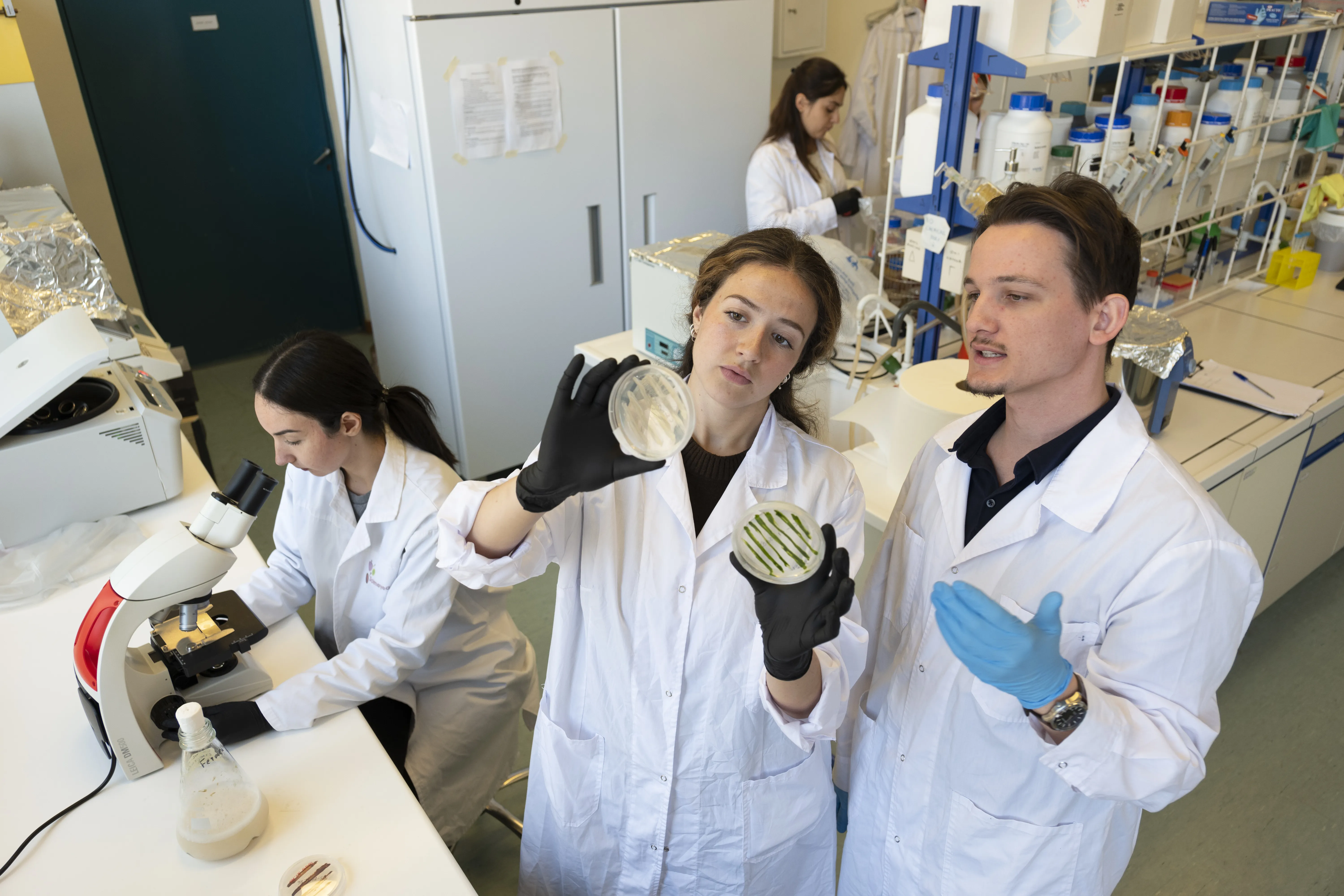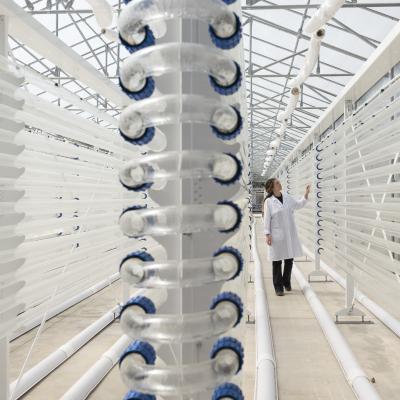
CBE JU-funded project CleanAlgae2Value is tackling what its coordinators call the "CO₂ paradox": industrial carbon emissions, rather than being a waste burden can serve as the primary feedstock for growing microalgae biomass rich in proteins, fibres, vitamins and antioxidants. By developing a scalable, carbon-negative biorefinery process, the project aims to deliver a new generation of functional food ingredients that support Europe's protein diversification and food resilience goals. The bonus? Turning a feedstock that industry currently struggles to dispose of into a high-value resource.
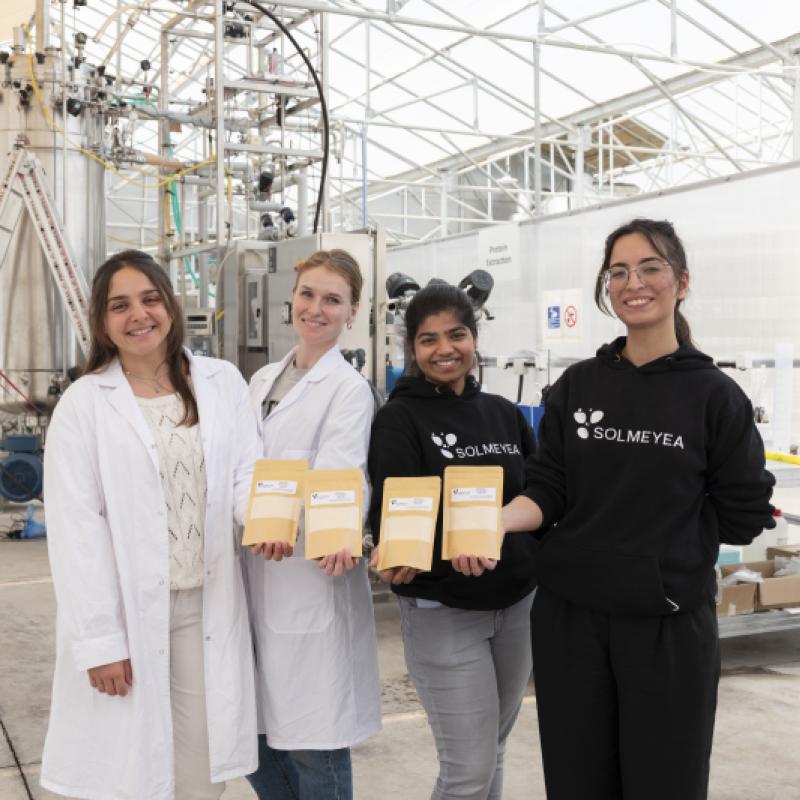
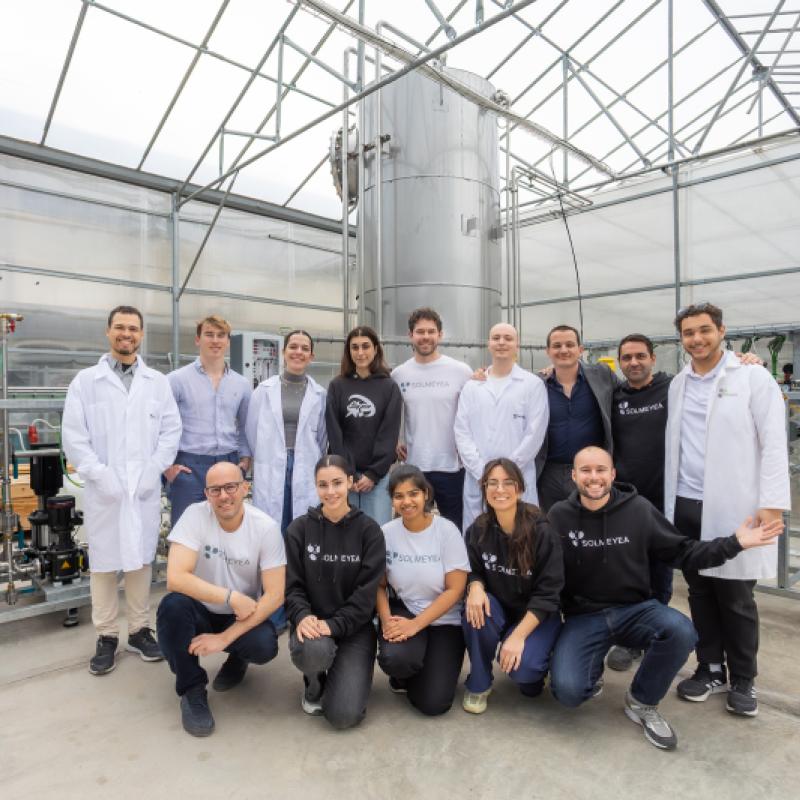
CleanAlgae2Value is working to demonstrate that microalgae can move beyond the lab and into food applications at industrial scale. Central to this ambition is the production of carbon-negative ingredients: products whose lifecycle removes more carbon from the atmosphere than it emits. The project is coordinated by Solmeyea Biotech, a Greek SME based in Athens, whose proprietary MEY™ microalgae production technology forms the base to converting CO₂ into functional food ingredients. Solmeyea leads the project’s consortium in scaling up its production process and translating it into a replicable, market-ready model for European industry.
With CleanAlgae2Value, we want to show that CO₂ doesn't have to be a burden for industry, but that it can become the foundation for a new generation of functional ingredients, produced at scale and with a genuinely carbon-negative footprint.
Vasilis Stenos, Solmeyea’s CEO, CleanAlgae2Value
MEY™ biomass: a functional ingredient for food
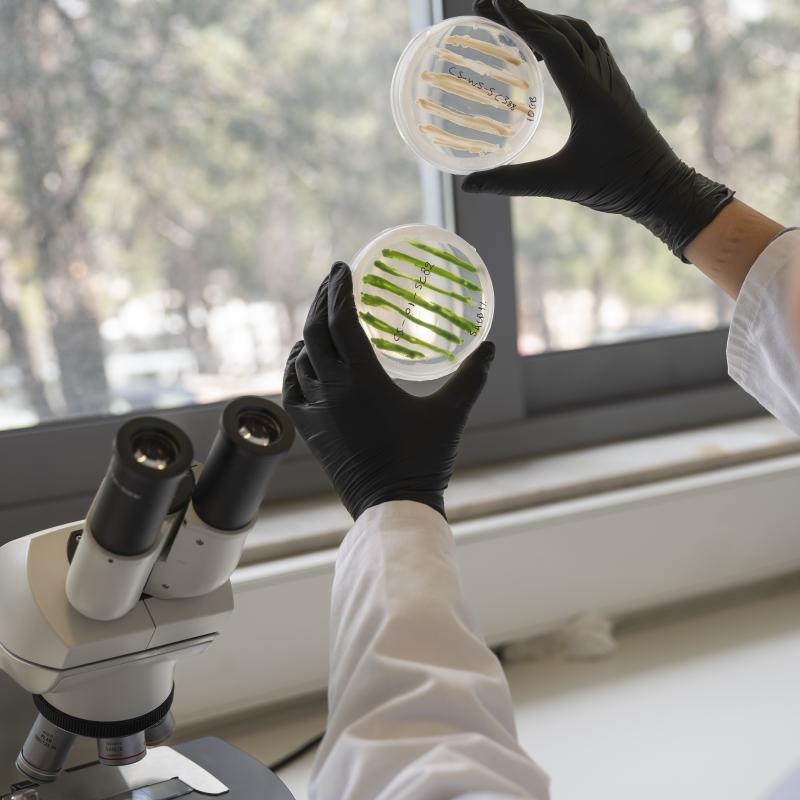
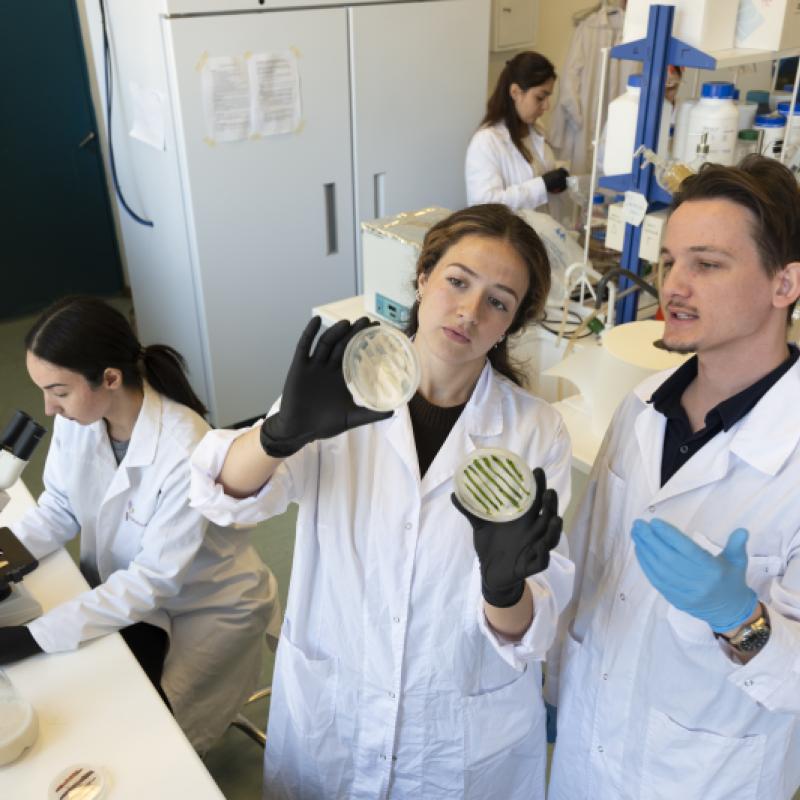
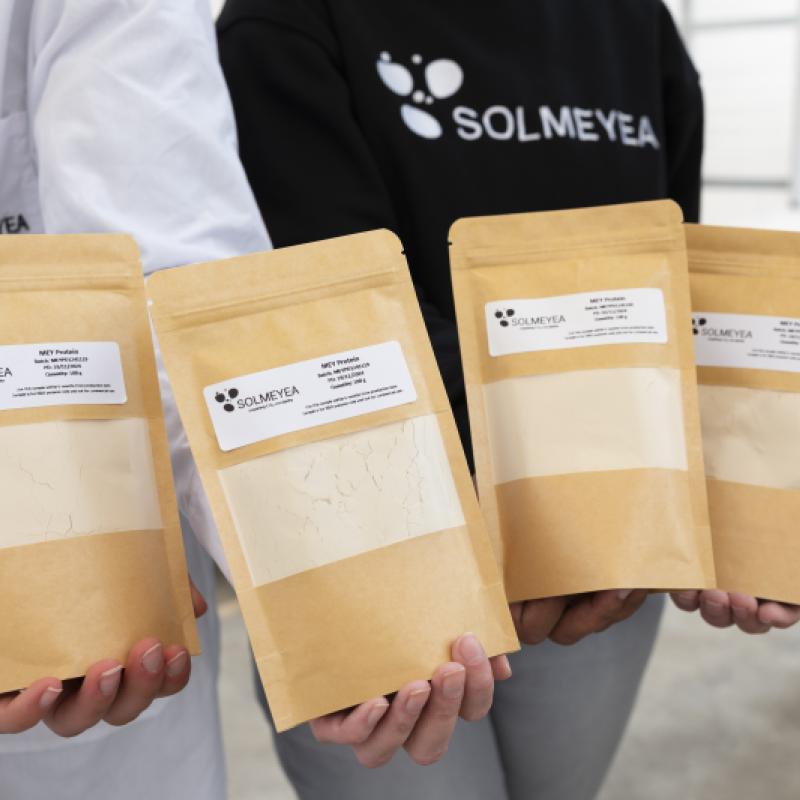
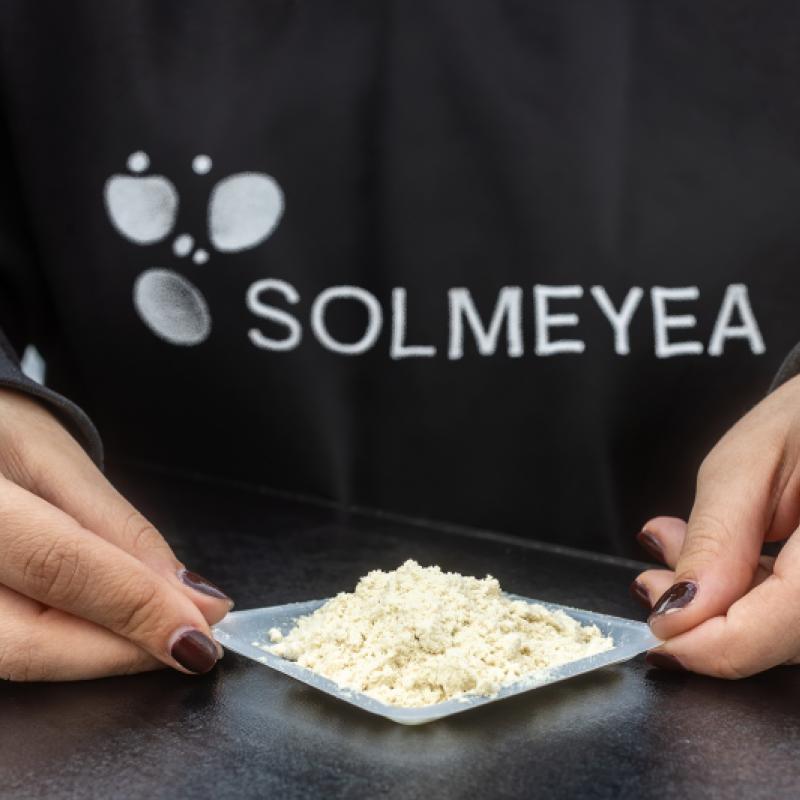
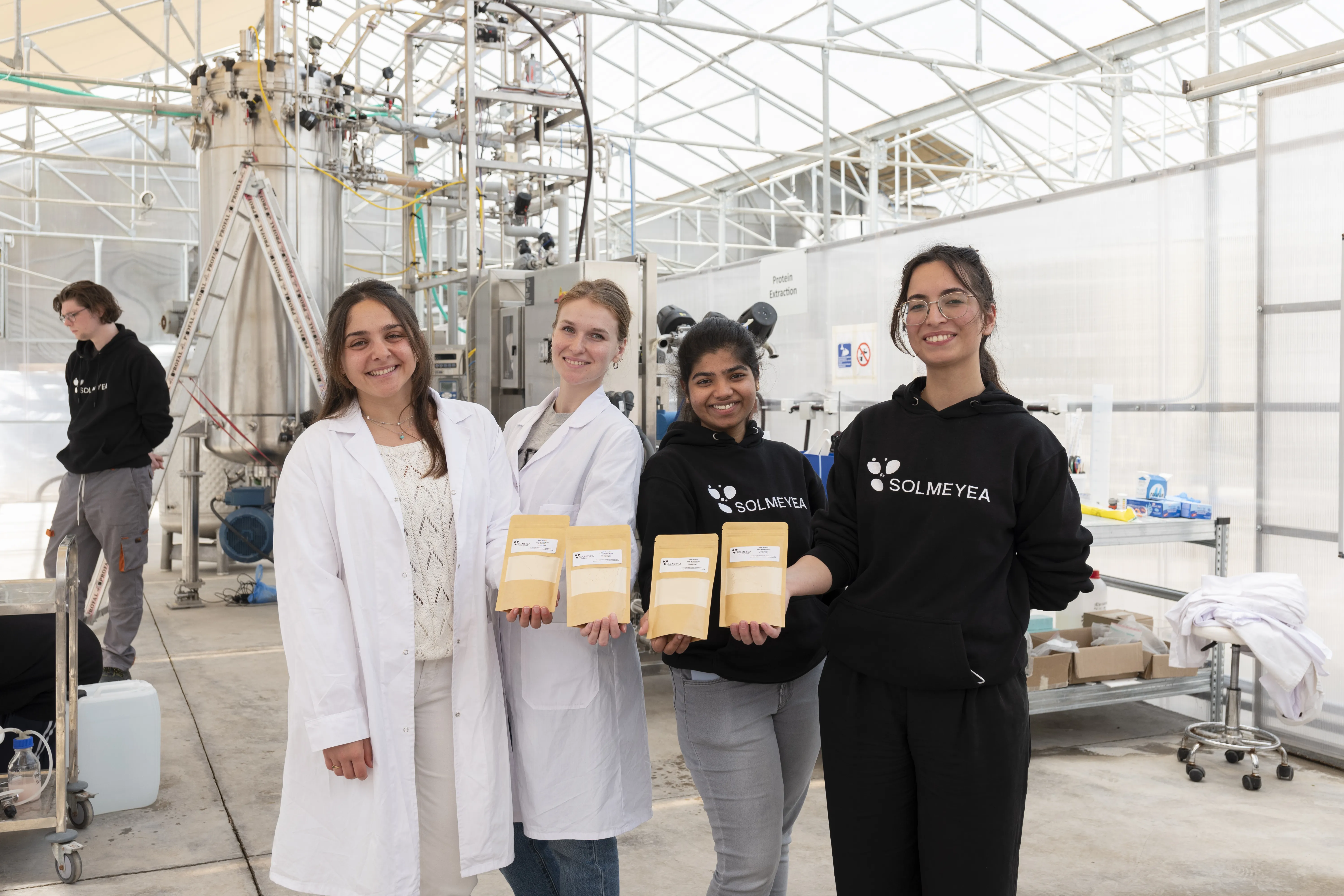
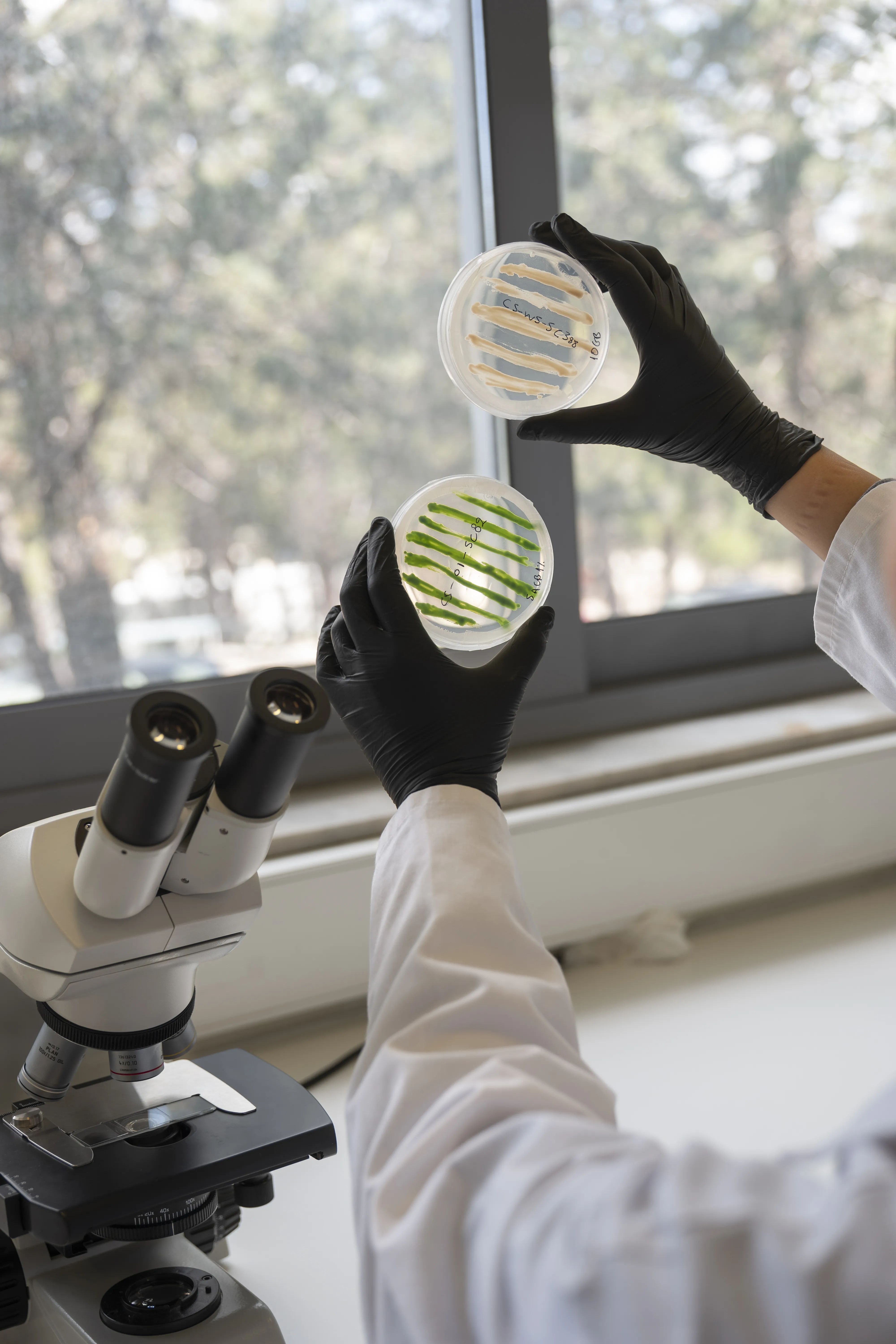
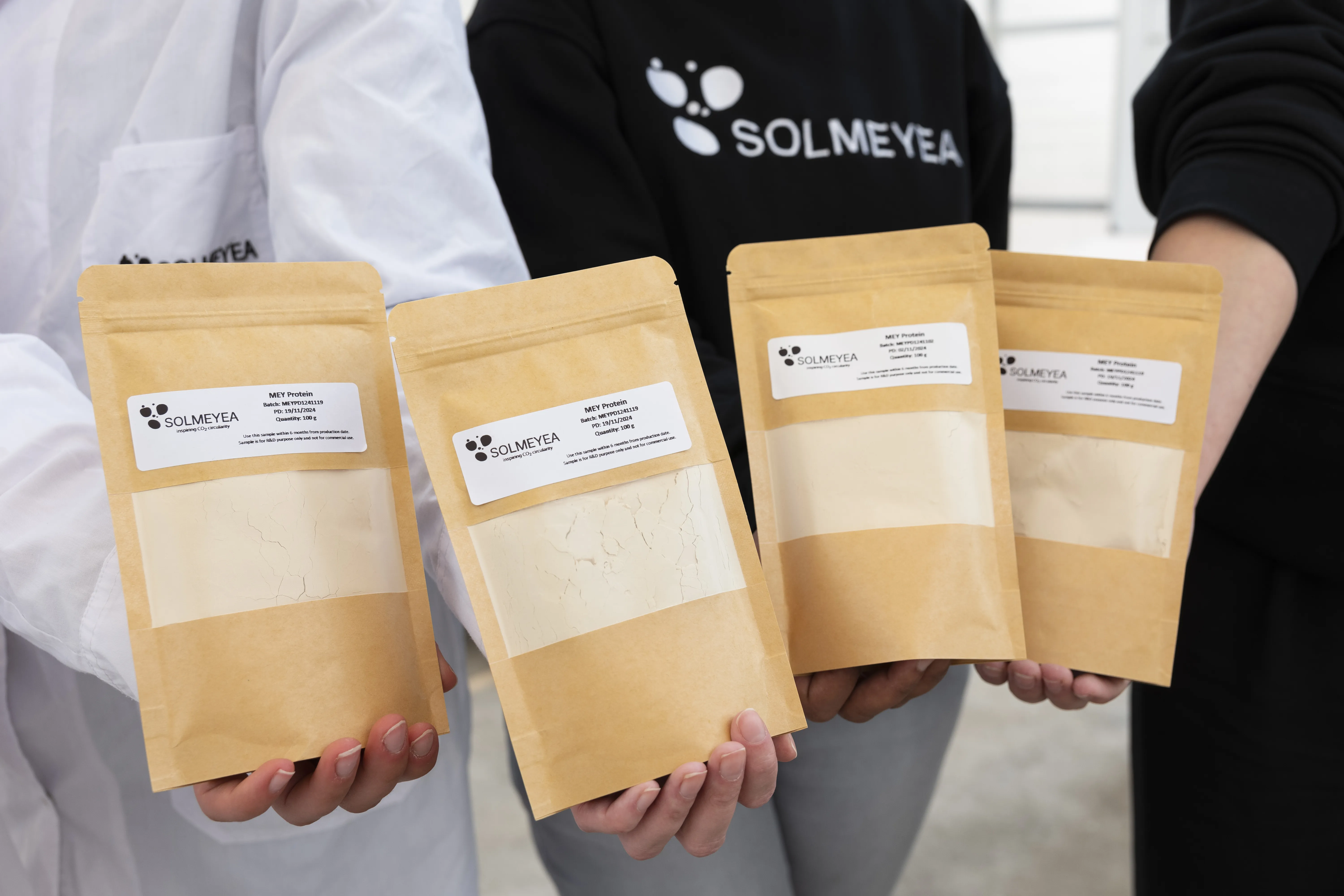
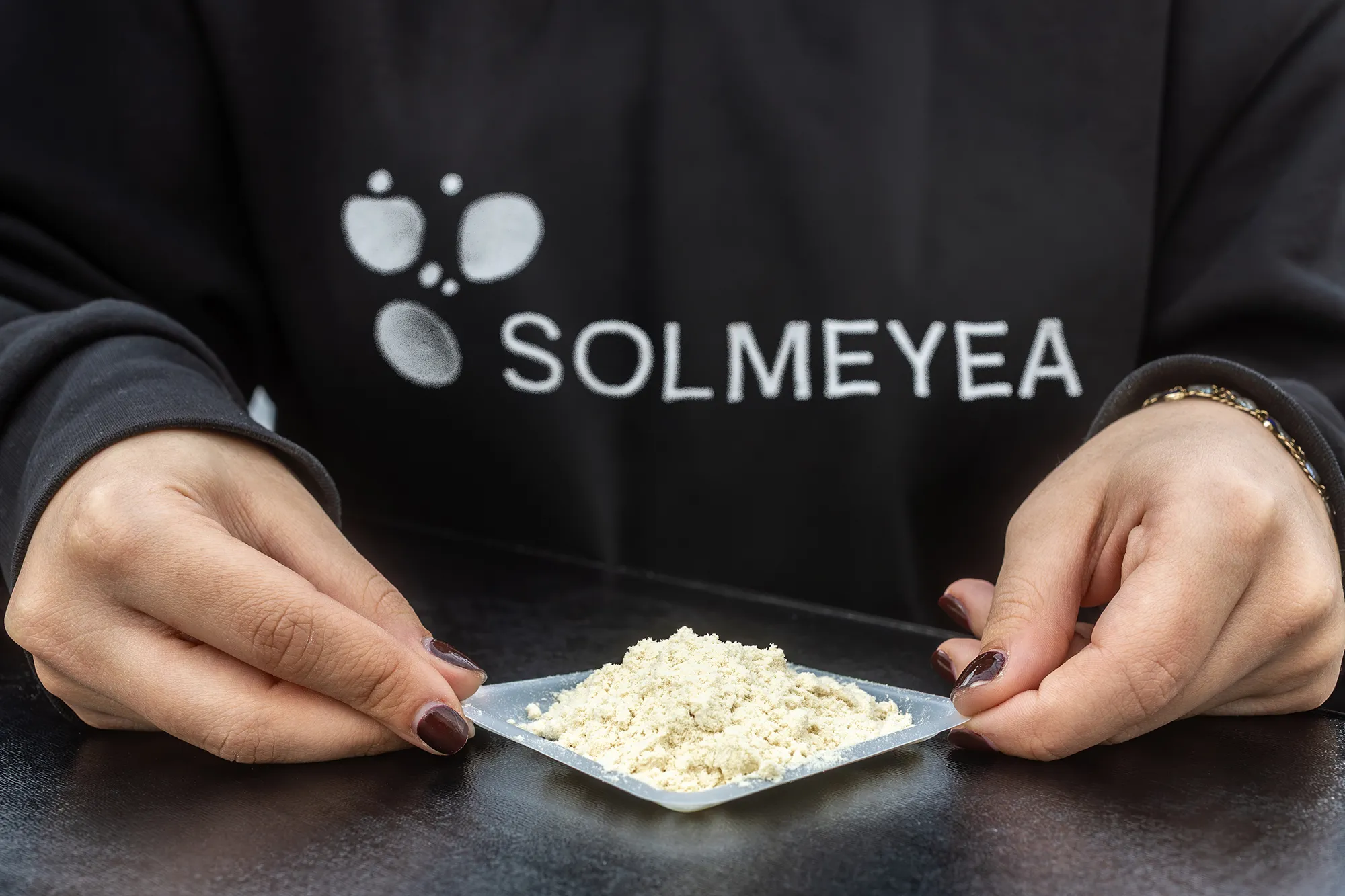
MEY™ microalgae biomass is produced from CO₂ via a two-step fermentation process, using non-GMO and no land-based agricultural inputs. Through the project's cascading biorefinery approach, this biomass is fractionated into a portfolio of food-grade ingredients: protein isolates, protein concentrates, starch-rich fractions, natural pigments and oils.
What makes MEY™ particularly relevant is its functional versatility. Tasting trials have returned positive feedback across performance criteria including foaming capacity, viscosity, taste, colour, texture and ease of integration into recipes. Early-stage results are promising, with around 25 samples having been tested by three external culinary and formulation professionals from France, Belgium and the Netherlands, pointing to broad application potential across dairy alternatives, functional beverages, nutrition and snack formats, as well as hybrid or alternative protein products.
Depending on the final formulation and product application, MEY™ microalgae biomass can partially replace or complement conventional plant-based protein sources, including soy- Vasilis explains - Rather than serving as a substitute, it acts as a functional and sustainable ingredient that supports protein enrichment, improves texture and nutrition, and strengthens the overall sustainability performance of a formulation.
From ingredients to prototypes
A central ambition of CleanAlgae2Value is validation at scale. The project targets the production of defined quantities of each ingredient, including two tonnes of protein isolates, nearly four tonnes of starch-rich fraction and 1.8 tonnes of oils, to be tested across 15 prototypes: 13 for food applications and two for bio-based packaging, developed in parallel to explore more sustainable packaging solutions for the food products the project generates.
This validation work is complemented by a comprehensive assessment covering life cycle analysis, techno-economic analysis and safe and sustainable by design (SSbD) criteria. Regulatory pathways, including EFSA positive opinions for novel ingredients, are also being pursued, as the project recognises that market access depends as much on compliance as on technical performance.
A replicable biorefinery module for Europe
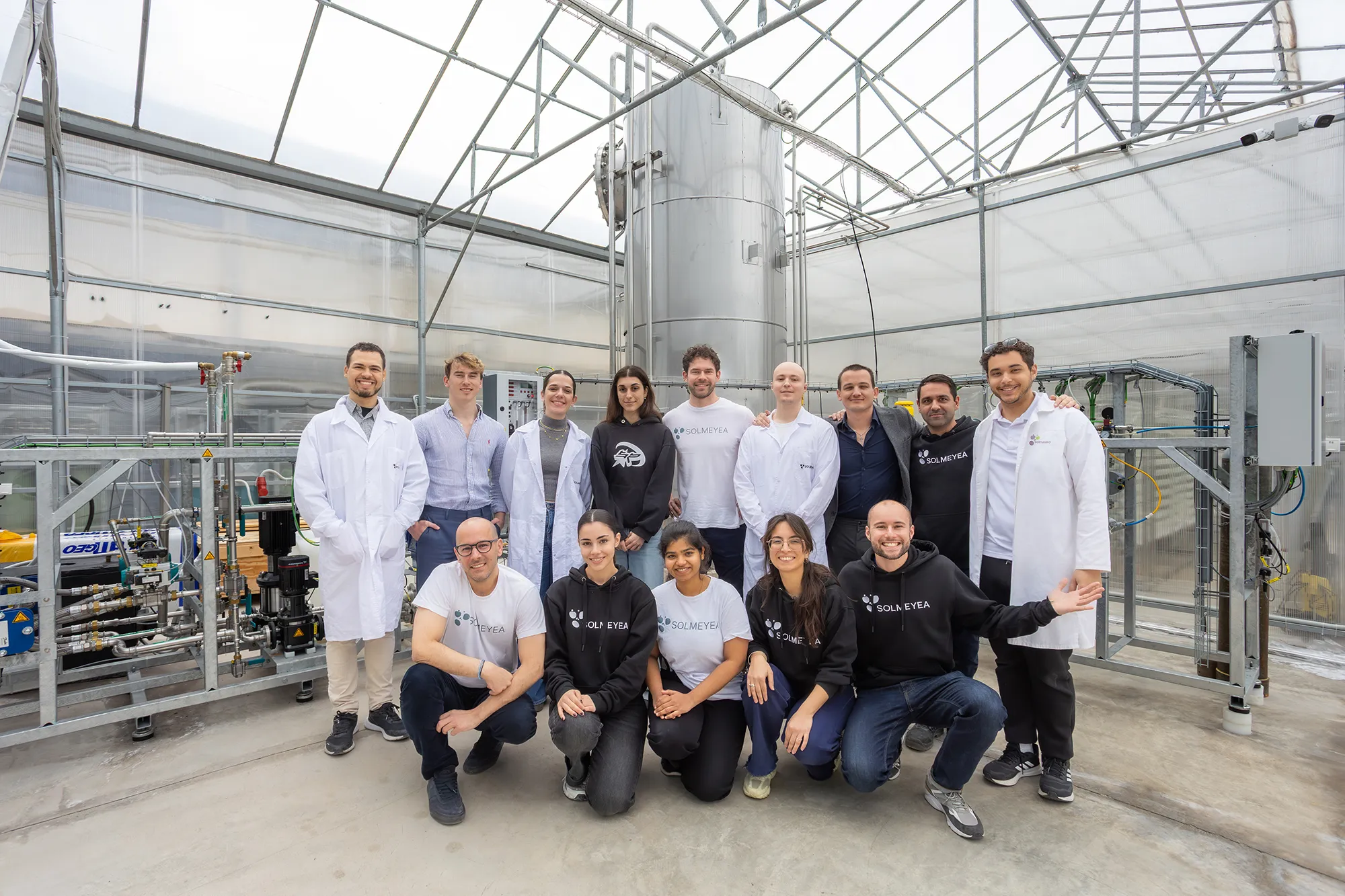
To bring these ingredients to market, CleanAlgae2Value is developing and validating a replicable Micro-Algae Biorefinery Upgrade Module (MABUM), a modular processing system designed to integrate into existing biorefinery infrastructures across Europe, improving cost-efficiency and reducing environmental impact. This work is supported by a 14-partner consortium spanning nine European countries, bringing together research organisations, technology providers and industry actors, each contributing specific expertise to the project.
CleanAlgae2Value is deliberately designed to contribute to several of Europe’s most pressing environmental priorities, through three complementary approaches:
Industrial decarbonisation: its carbon-negative production model contributes to reducing industrial emissions.
Sustainable protein diversification: its non-GMO microalgae biomass is produced without competing for agricultural land, supporting protein diversification while avoiding the indirect land-use pressures associated with many conventional feedstocks.
Circular bioeconomy: its circular biorefinery approach recovers value from all biomass fractions, including through the parallel development of bio-based packaging, reinforcing the principles of a circular bioeconomy.
Supported by nearly €7.5 million in CBE JU funding and running until September 2029, the project is still in its early phases. But the combination of promising formulation results, a scalable technology concept and a strong multidisciplinary consortium put CleanAlgae2Value in a strong position to demonstrate that microalgae-based ingredients can move well beyond niche markets and into broader European food production.