Composite materials are valued across transport and manufacturing for combining low weight with high strength. But conventional composites are typically built from petroleum-derived resins reinforced with glass or carbon fibres which are energy-intensive to produce and difficult to recycle. As Europe pushes towards a carbon-neutral, circular economy, industry needs bio-based alternatives that can match the performance of the products they replace.
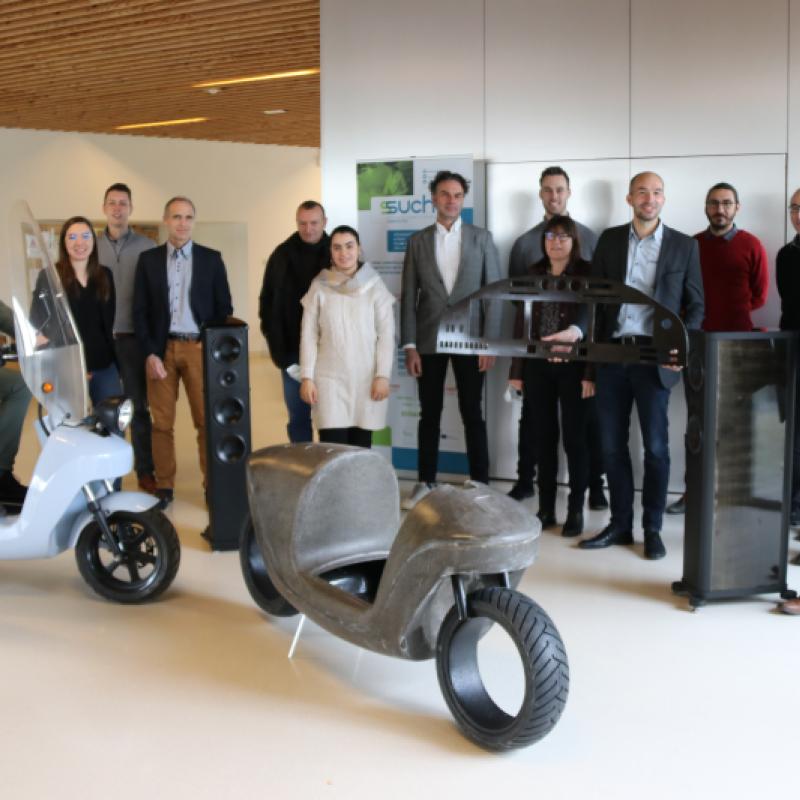
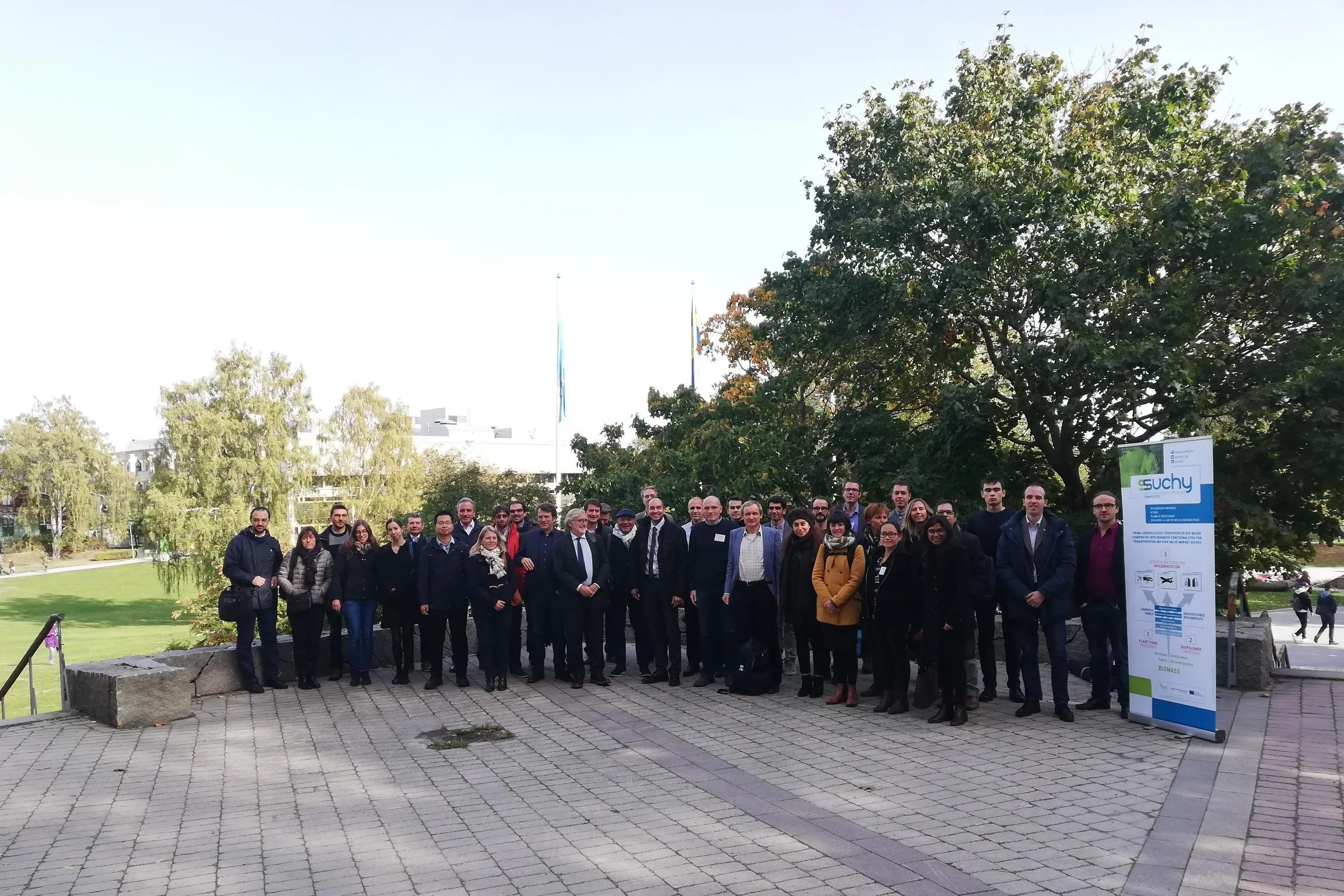
That was the challenge taken up by SSUCHY. Coordinated by the FEMTO-ST Institute at the Université de Franche-Comté and bringing together 17 partners from 7 countries (10 academic institutions, 3 SMEs, 3 industry partners and a competitiveness cluster) the project ran from September 2017 to February 2022, with a total budget of €7.4 million, including €4.46 million from BBI JU. Its ambition was to build a complete value chain, from field to finished product, delivering bio-based composites with advanced functionalities for the automotive, aerospace, acoustics and mobility sectors.
Growing a better fibre
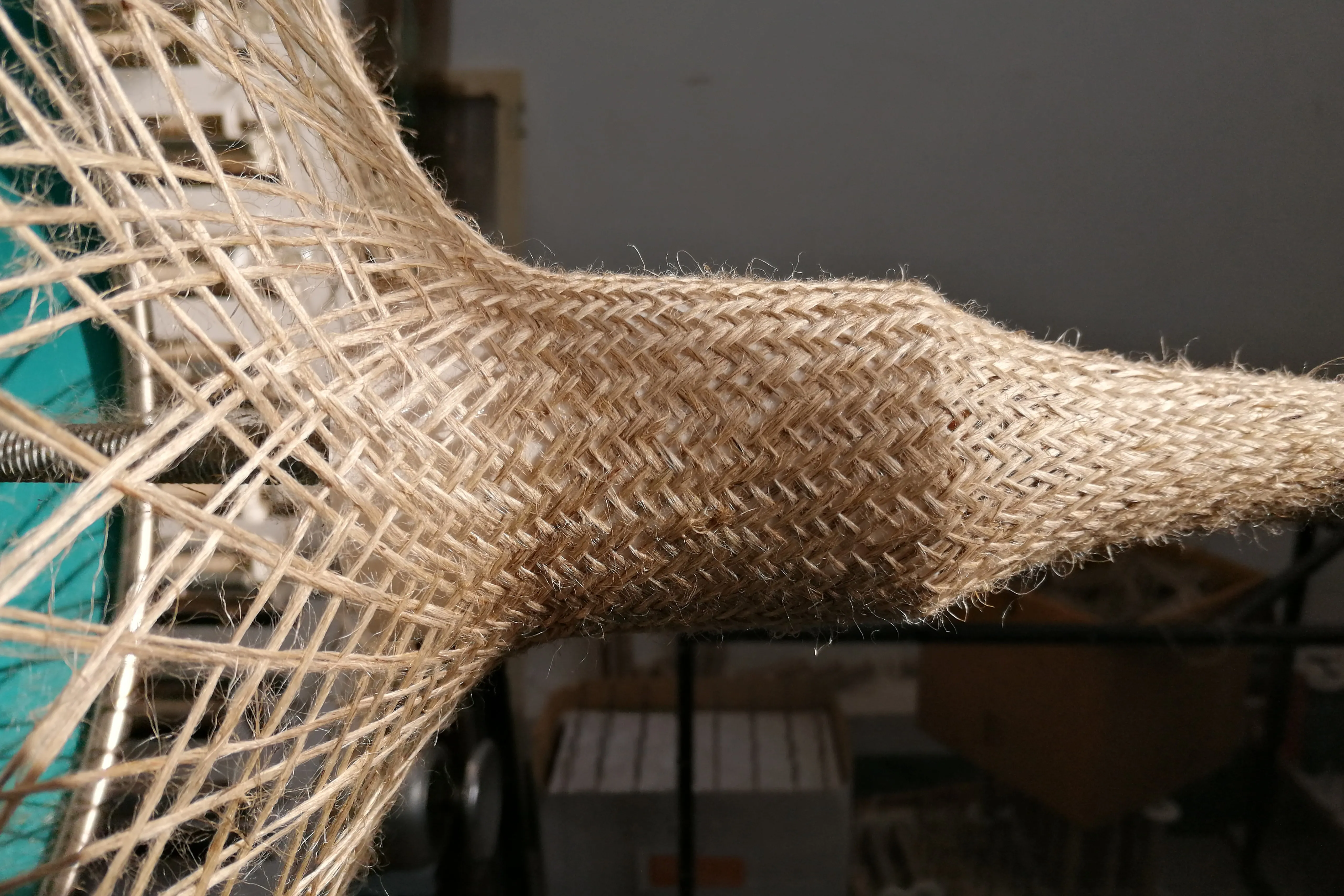
Across Europe, hemp is normally processed with hammer mills, a mechanical method that damages the fibres and leaves them with weaker properties. SSUCHY instead adapted flax-processing routes (scutching and hackling) to hemp stems and separately developed a lower-cost "all-fibre" route suited to hemp processed by conventional hammer milling, which leaves shorter, randomly oriented fibres. Both routes, refined at both lab and industrial scale with partner Linificio e Canapificio Nazionale, delivered hemp roving suitable for weaving, with stiffness and strength comparable to industrially processed flax. (Tensile stiffness of 50–60 GPa, strength of 350–600 MPa)
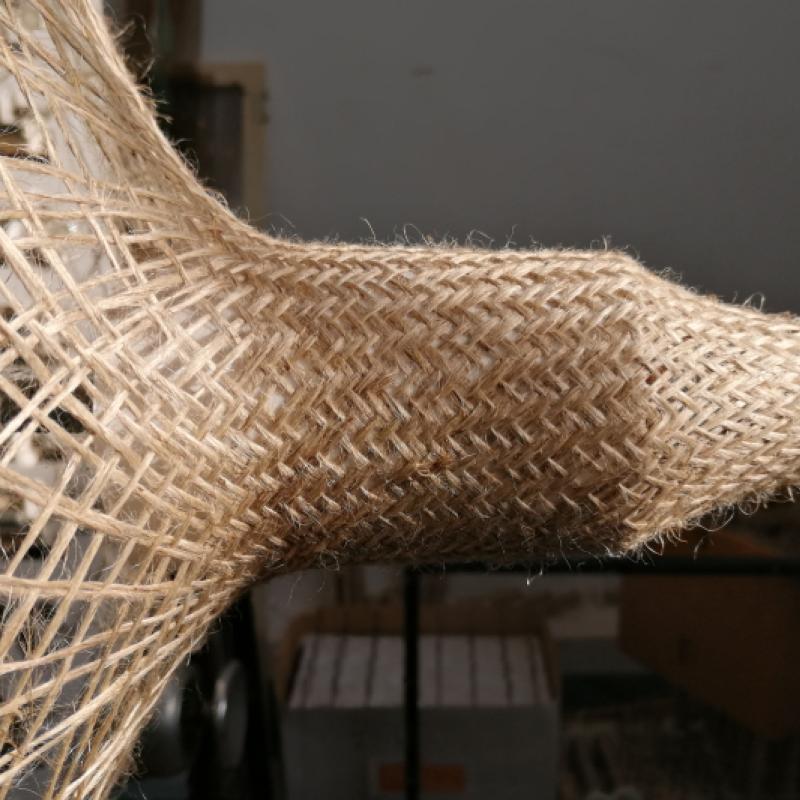
More than 20 patterns of woven hemp fabric were produced at industrial scale, alongside entirely new products for hemp: mixed hemp/thermoplastic yarns, quasi-unidirectional fabrics and braided preforms. Hemp and flax reinforcements also proved their environmental worth: life cycle assessment found them responsible for 27.3% and 18.4% less global warming potential than glass fibre.
Building polymers from wood and bark
Alongside hemp fibres, chemists at Stockholm University, Université de Bourgogne and CNRS worked to turn under-used wood fractions, including bark (normally burned for energy) into building blocks for new bio-based polymers. The standout result was BioIgenox, a fully bio-based epoxy thermoset derived from isoeugenol. It remains rigid at temperatures up to 165°C, well within the range needed for structural composite parts, with mechanical properties to match.
A second lignin-derived resin, based on a compound called bisguaiacol extracted from birch bark, achieved a similarly positive life-cycle profile: producing this bio-based resin also generated fewer emissions than making it the conventional way: around 4.25 kg of CO2-equivalent per kilogram, compared with 5.07–6 kg per kilogram for standard fossil-based epoxy. The team also developed a novel curing system, in partnership with chemical company Nouryon, that tolerates moisture in the fibres, removing the need to dry hemp before processing, and a bio-based flame retardant that measurably improved fire performance. Combined with the woven hemp fabric, the resulting fully bio-based composites matched, and sometimes exceeded, the bending performance of conventional glass-fibre epoxy composites, with the added benefit of lower toxicity.
Four demonstrators, four different sectors
Rather than stopping at laboratorial results, SSUCHY built working demonstrators with its industrial partners, each with its own life-cycle assessment against a fossil-based benchmark:
- Automotive floor and trim panels, developed with Tier 1 automotive supplier Trèves, cut manufacturing emissions by up to 54% compared with a polyurethane–fibreglass–paper-honeycomb benchmark.
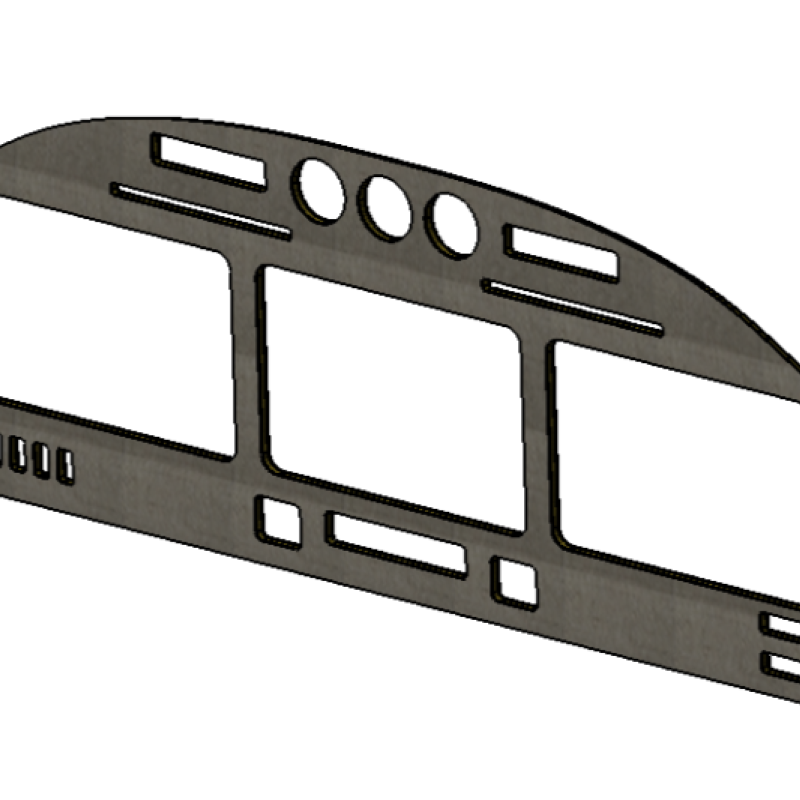
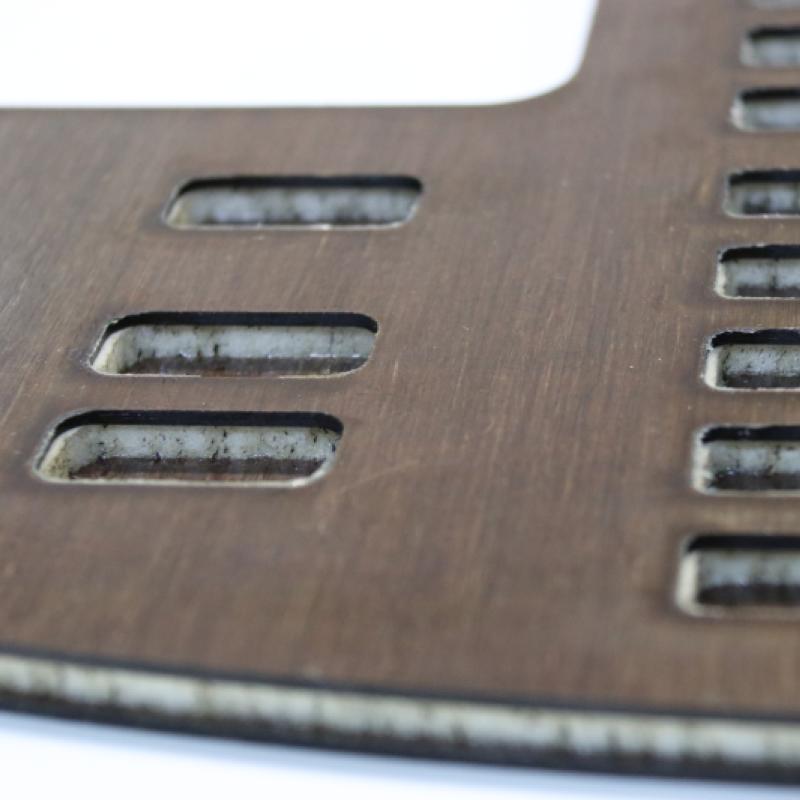
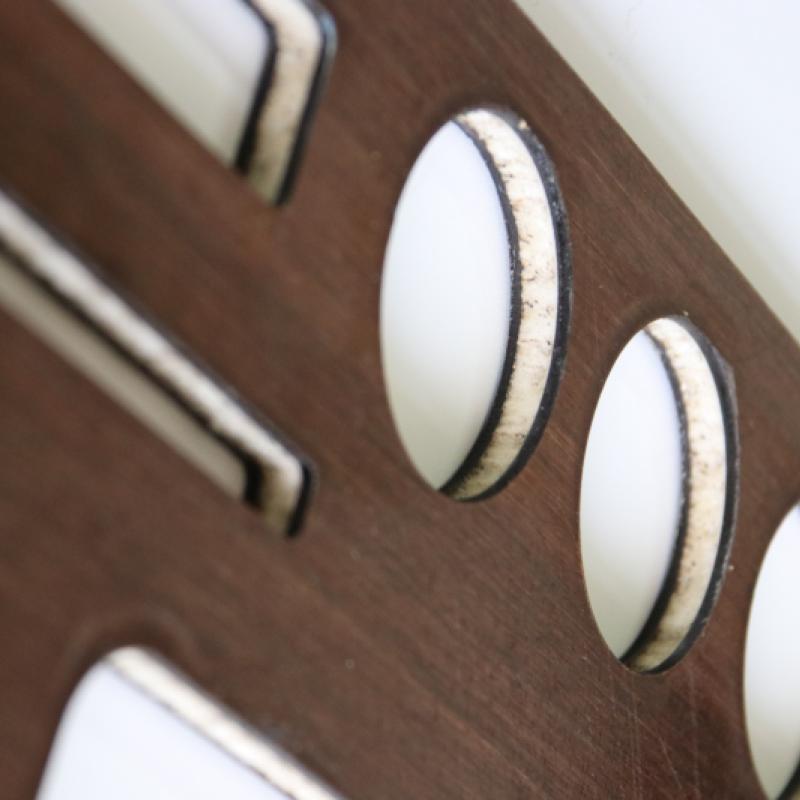
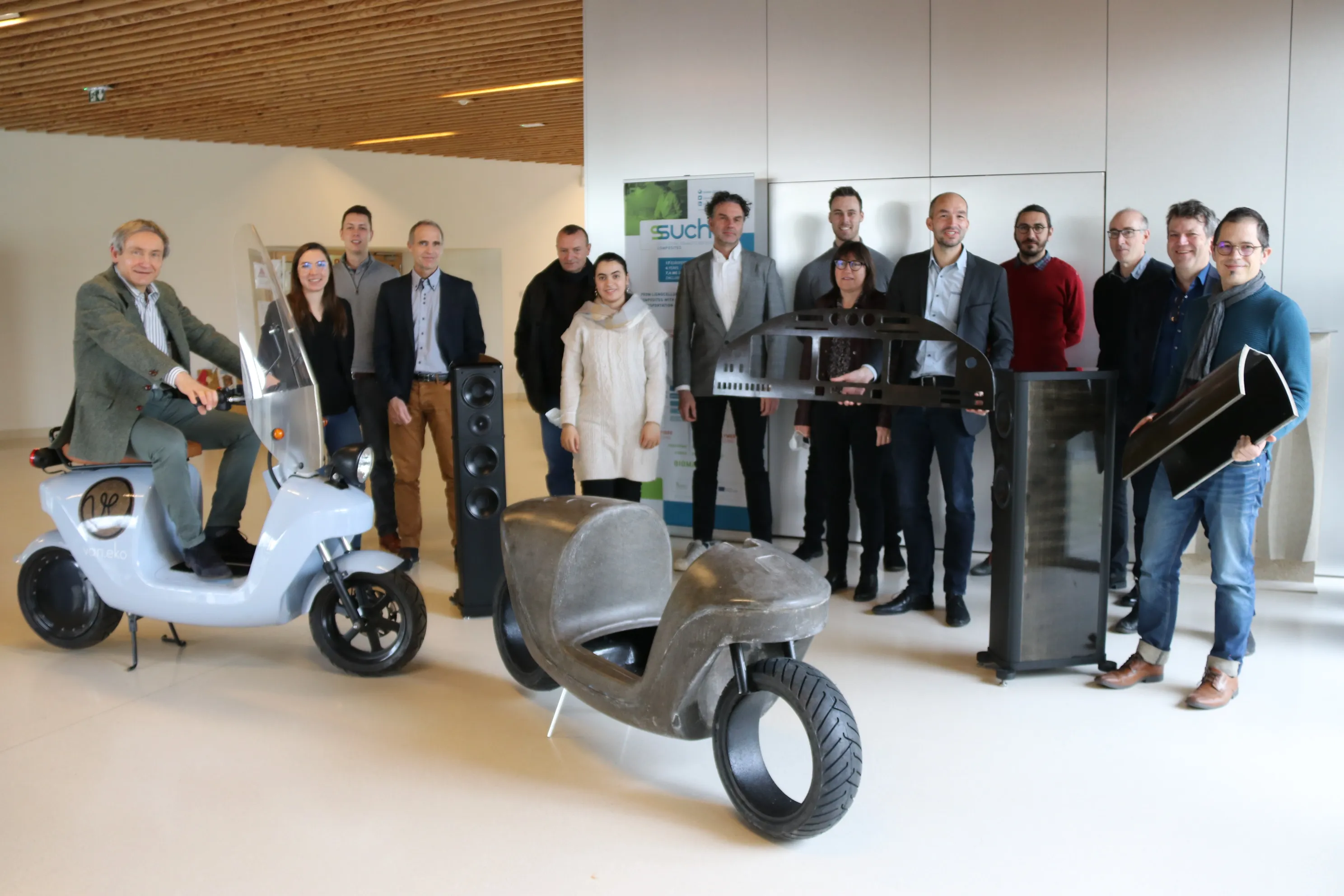
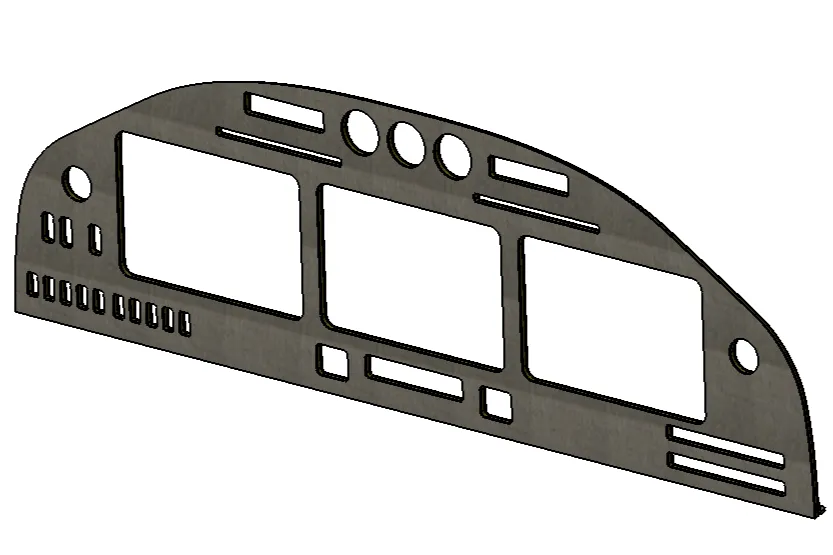
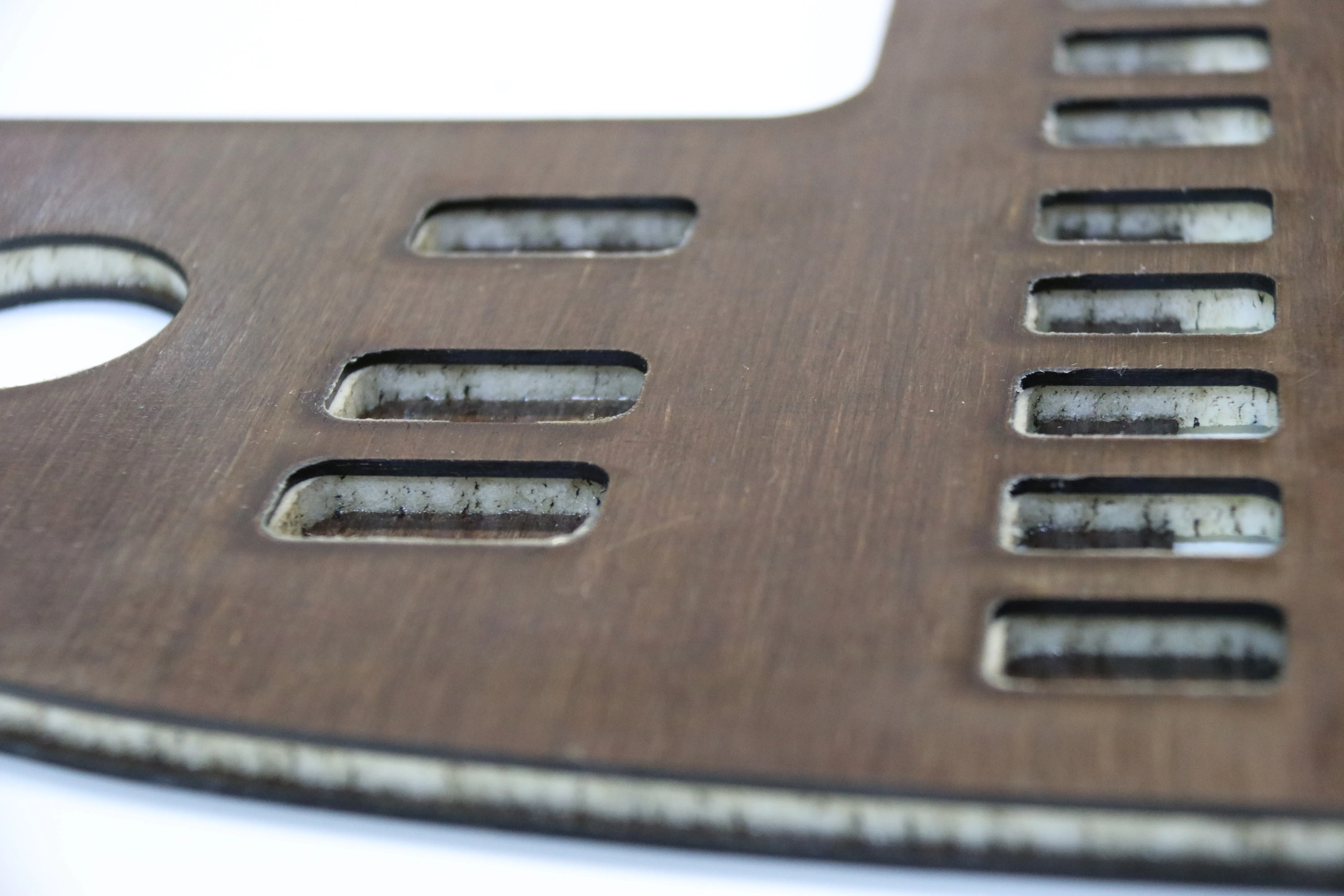
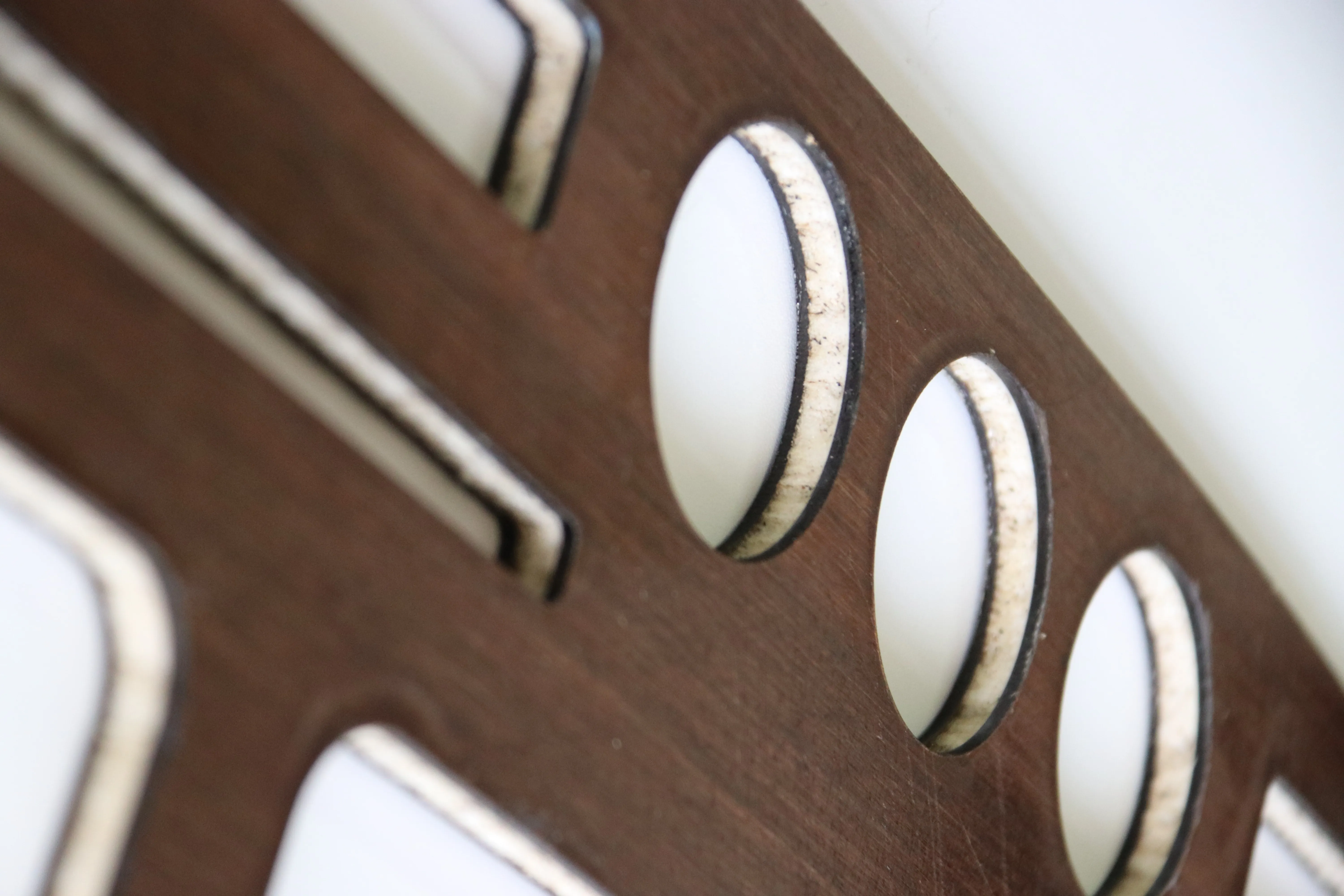
- A cockpit dashboard panel for electric aircraft, engineered with the University of Bristol and the European Aerospace Design Consultants (EADCO) from a layered epoxy/hemp panel with an aerospace-grade foam core. It was tested against the European Union Aviation Safety Agency (EASA) fire safety, mechanical and acoustic requirements for aircraft interiors. It also produced 88% less manufacturing emissions compared with a standard carbon-fibre/epoxy panel.
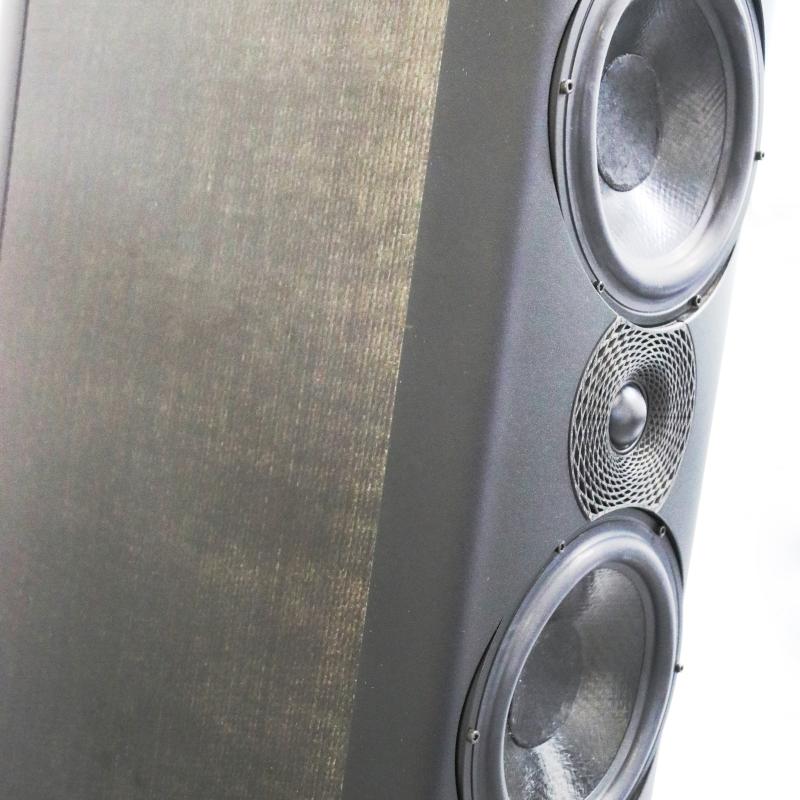
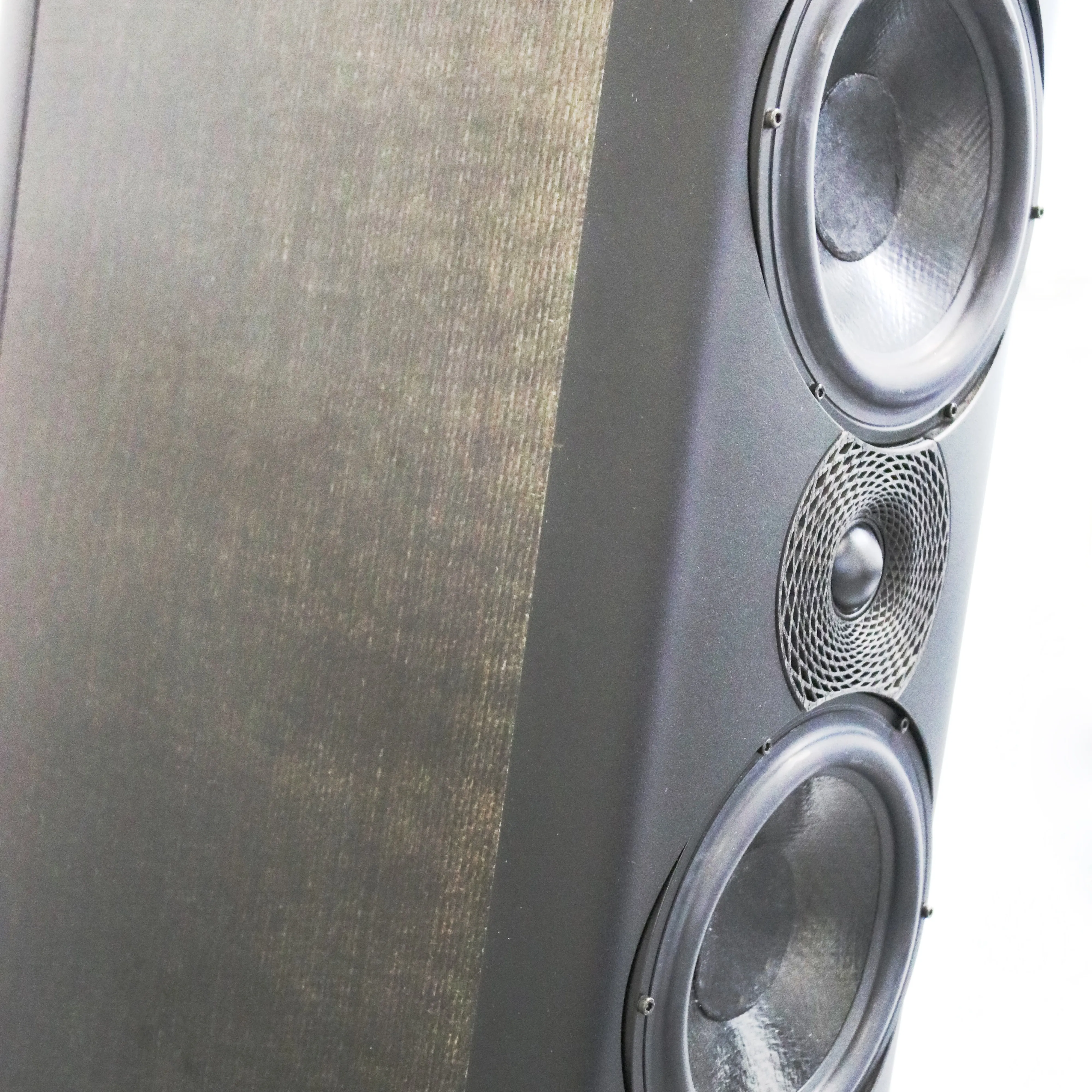
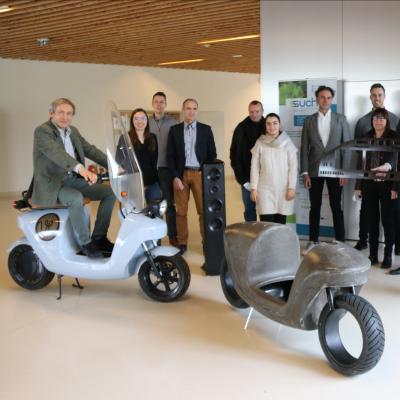
- A high-performance loudspeaker monocoque, produced with UK audio manufacturer Wilson Benesch using SSUCHY's hemp satin fabric, achieved a market-ready TRL 9 finish and reduced production-phase emissions by up to 71%. The redesigned structure also improved the loudspeaker's damping and let engineers tune its resonant behaviour in ways not previously possible.
- A monocoque body for an electric scooter, built with Dutch manufacturer NPSP, cut the part's weight by 59% (to 13 kg) and raised its bio-based content from 30% to 65%, while reducing full life-cycle emissions by up to 11% against a steel-frame benchmark.
Training talent to drive innovation
SSUCHY also invested heavily in people: 28 students, including 6 PhD candidates, worked on the project, and the consortium ran the first European Summer School on Bio-Based Composites for master’s and PhD students. The project's results were shared in 33 scientific publications across 10 high-impact journals, plus a patent for a technique to produce deep, fade-resistant colour in plant-fibre fabrics without coating the finished composite.
From a field of hemp to a car floor panel, an aircraft cockpit, a loudspeaker cabinet and an electric scooter, SSUCHY showed, via real prototypes, that bio-based composites can substitute fossil-based materials without giving up performance. Its results are now being carried forward with the CBE JU-funded follow-up project SSUCHY-Next, which is working to bring these polymers to full industrial scale.
Through CBE JU funding, SSUCHY was able to build a multidisciplinary and cross-sectoral community that brought together academic and industrial partners to address the challenges of developing sustainable bio-based composite materials. Throughout the project, we learned to work across disciplines, establish a common language despite our diverse backgrounds, and converge towards shared objectives to develop and promote this new generation of bio-based materials. I am delighted to continue part of these activities through SSUCHY-Next, with the ambition of reaching higher technology readiness levels, addressing larger-volume markets, and ultimately maximizing the impact of our research on the development of lower environmental impact materials.
Vincent Placet Research Engineer at FEMTO-ST Institute, SSUCHY project
With demonstrators validated in cars, aircraft, loudspeakers and scooters, bio-based composites have moved from laboratory promise to industrial reality. The techniques and materials developed, from hemp processing routes to lignin-based resins, are documented and available for industry to build on, offering a lower environmental footprint. With SSUCHY-Next currently building on this foundation, the work continues to support Europe's transition to a circular, bio-based economy.