Publication date:
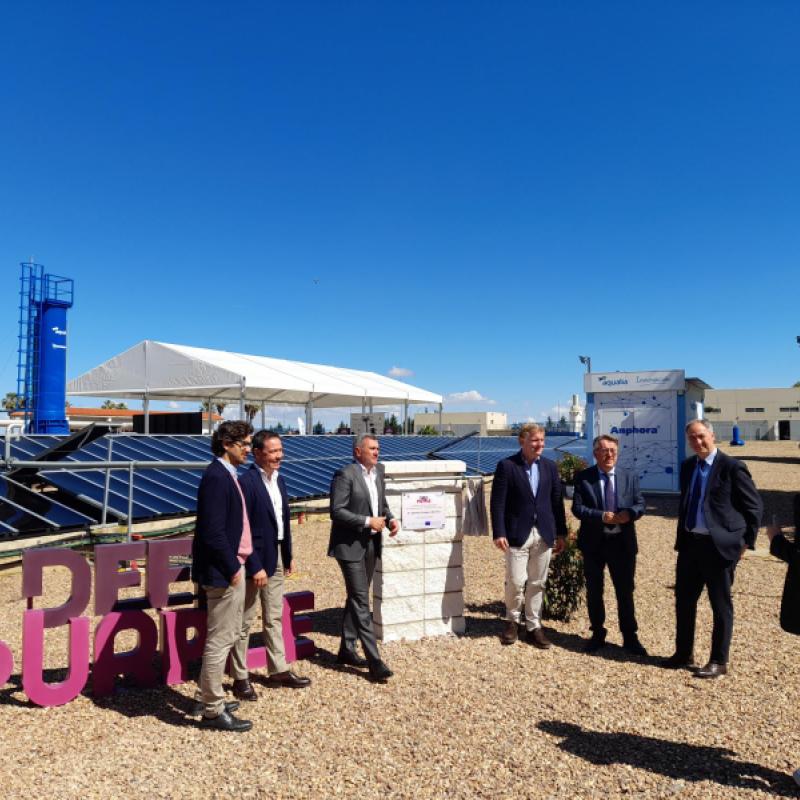
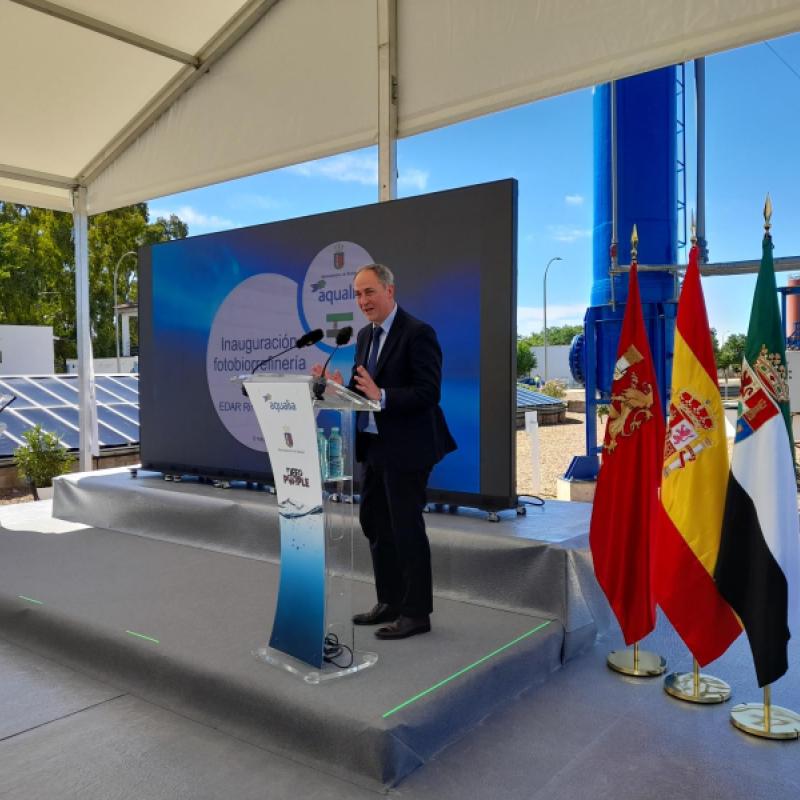
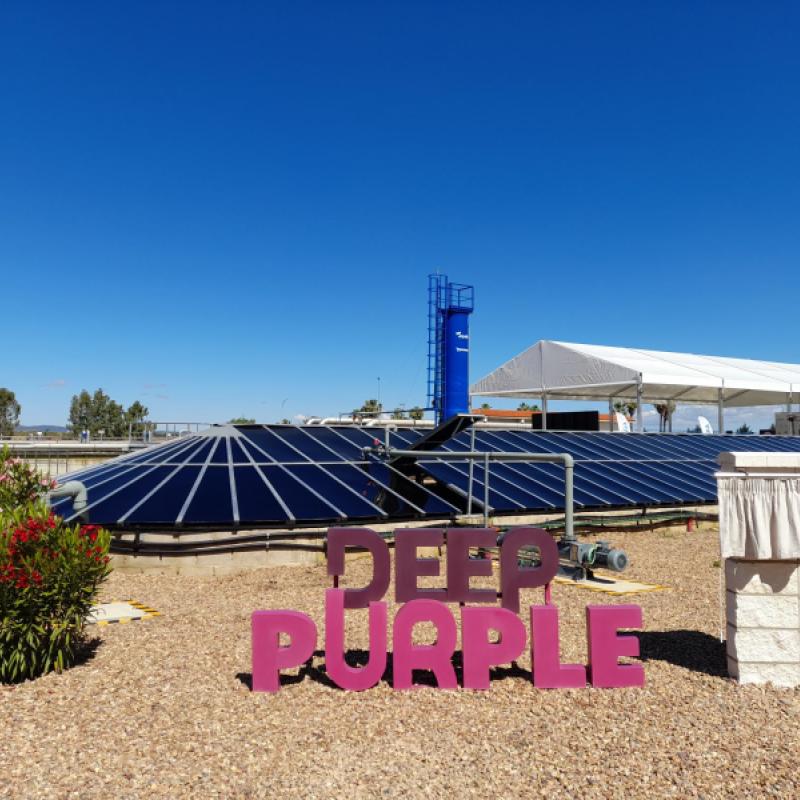
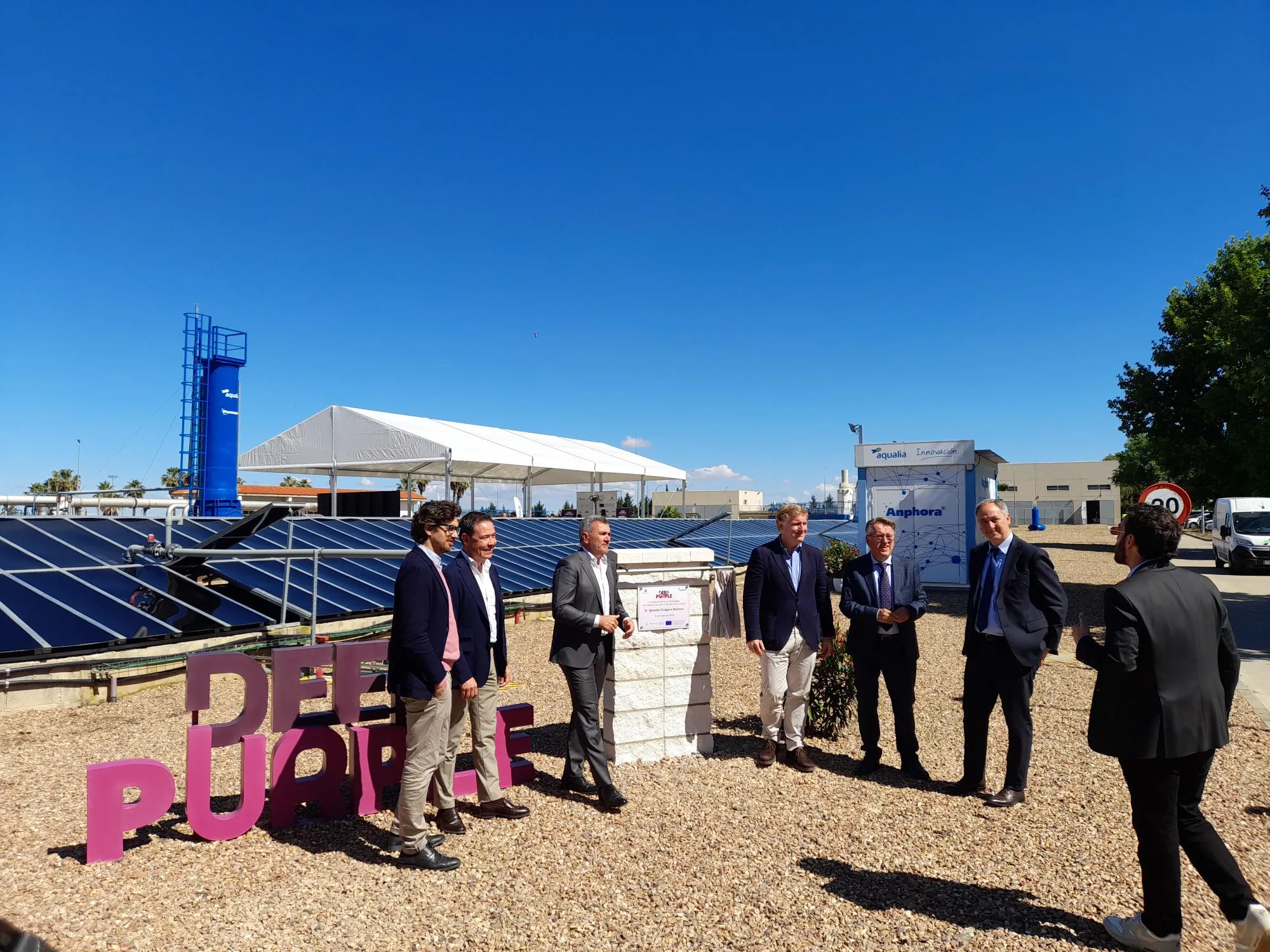
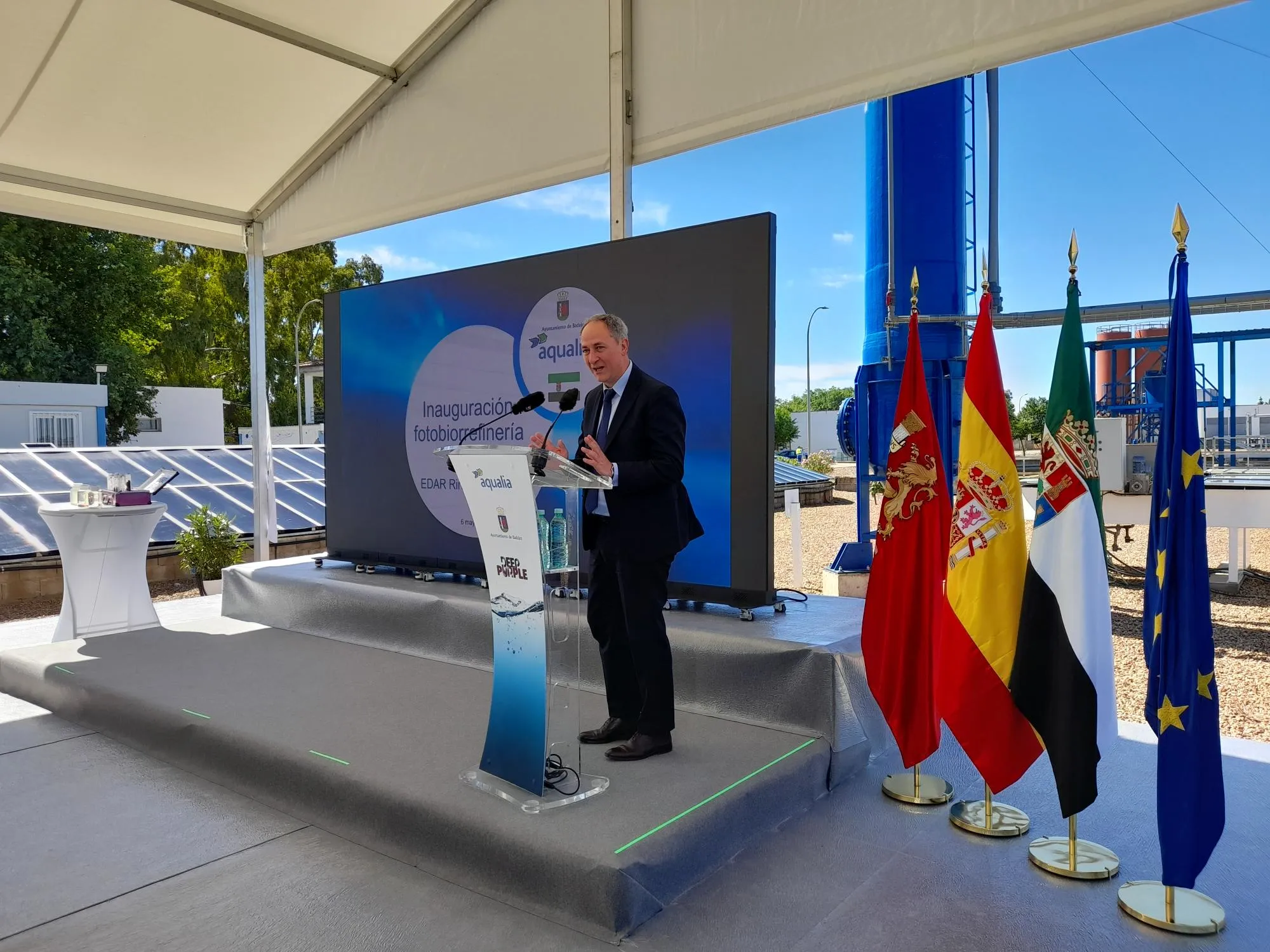
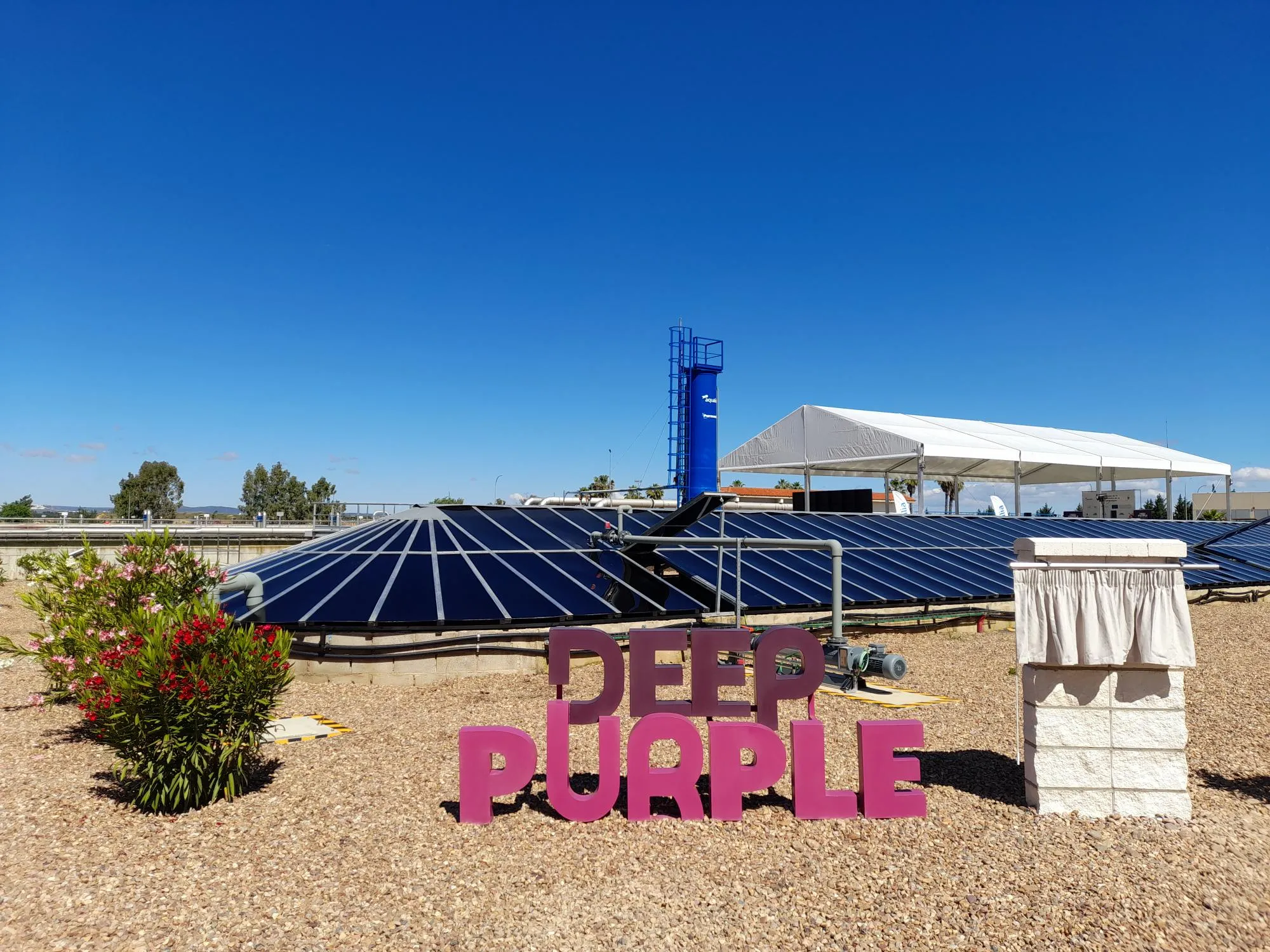
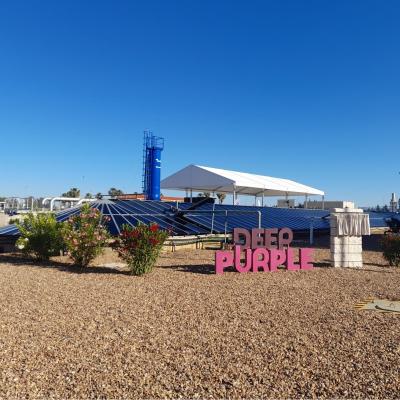
On 6 May 2026, a new biorefinery based on the CBE JU-funded DEEP PURPLE project was inaugurated in Badajoz (Spain). Building on the results achieved during the project, the facility demonstrates how wastewater treatment can generate valuable bio-based products.
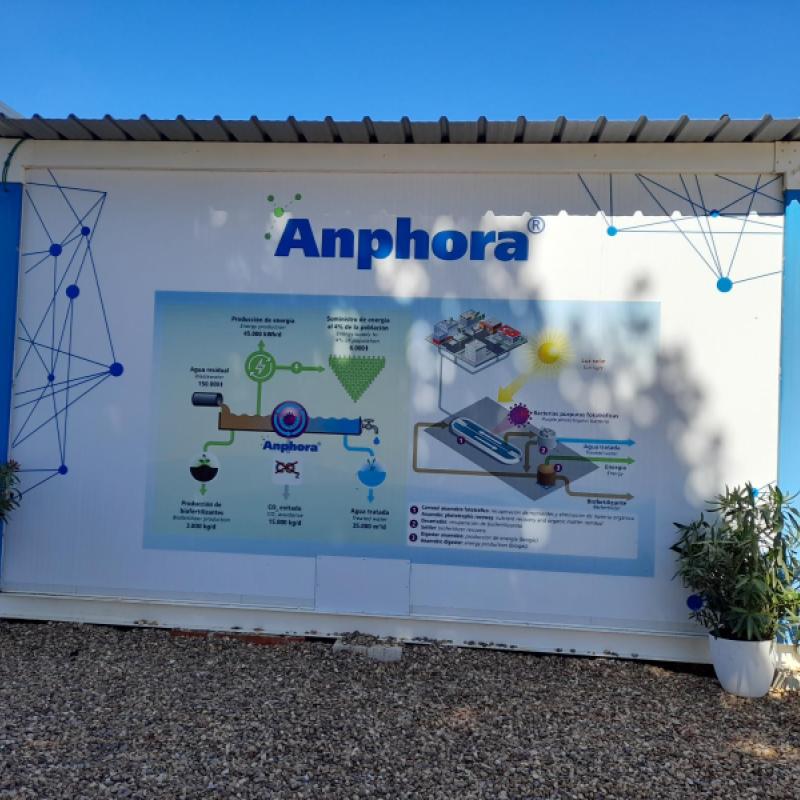
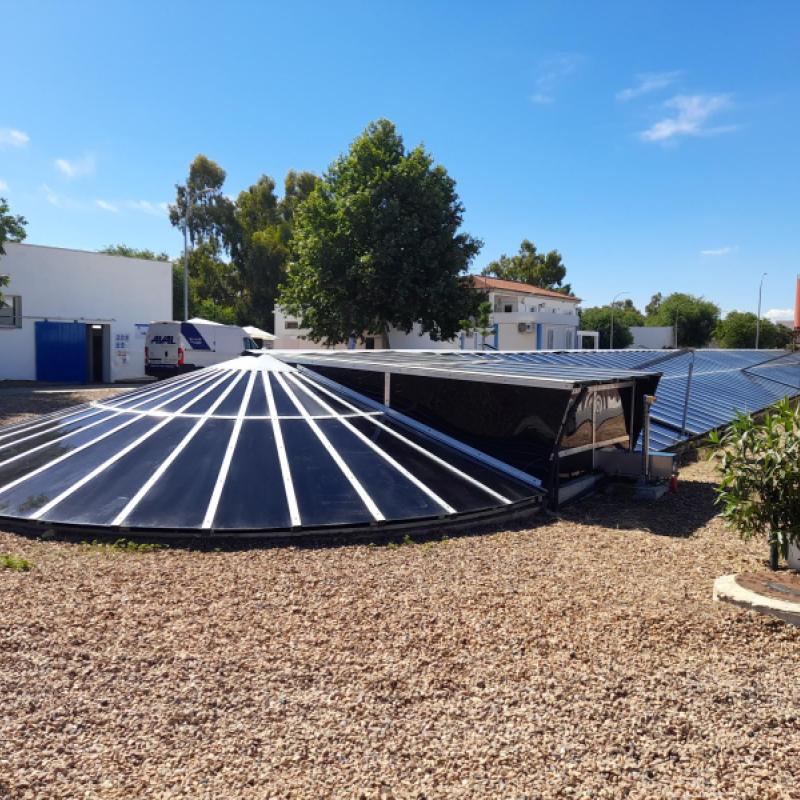
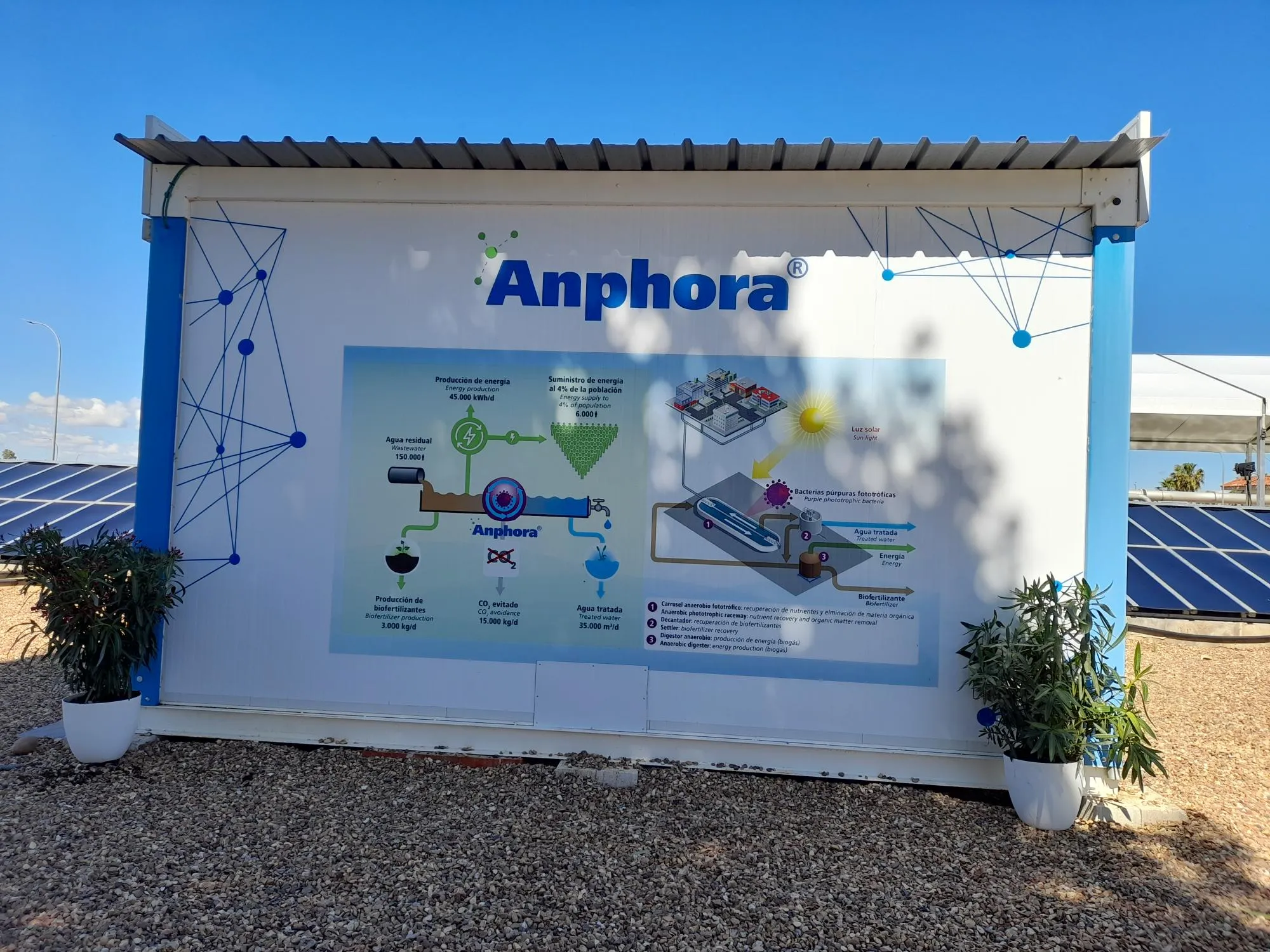
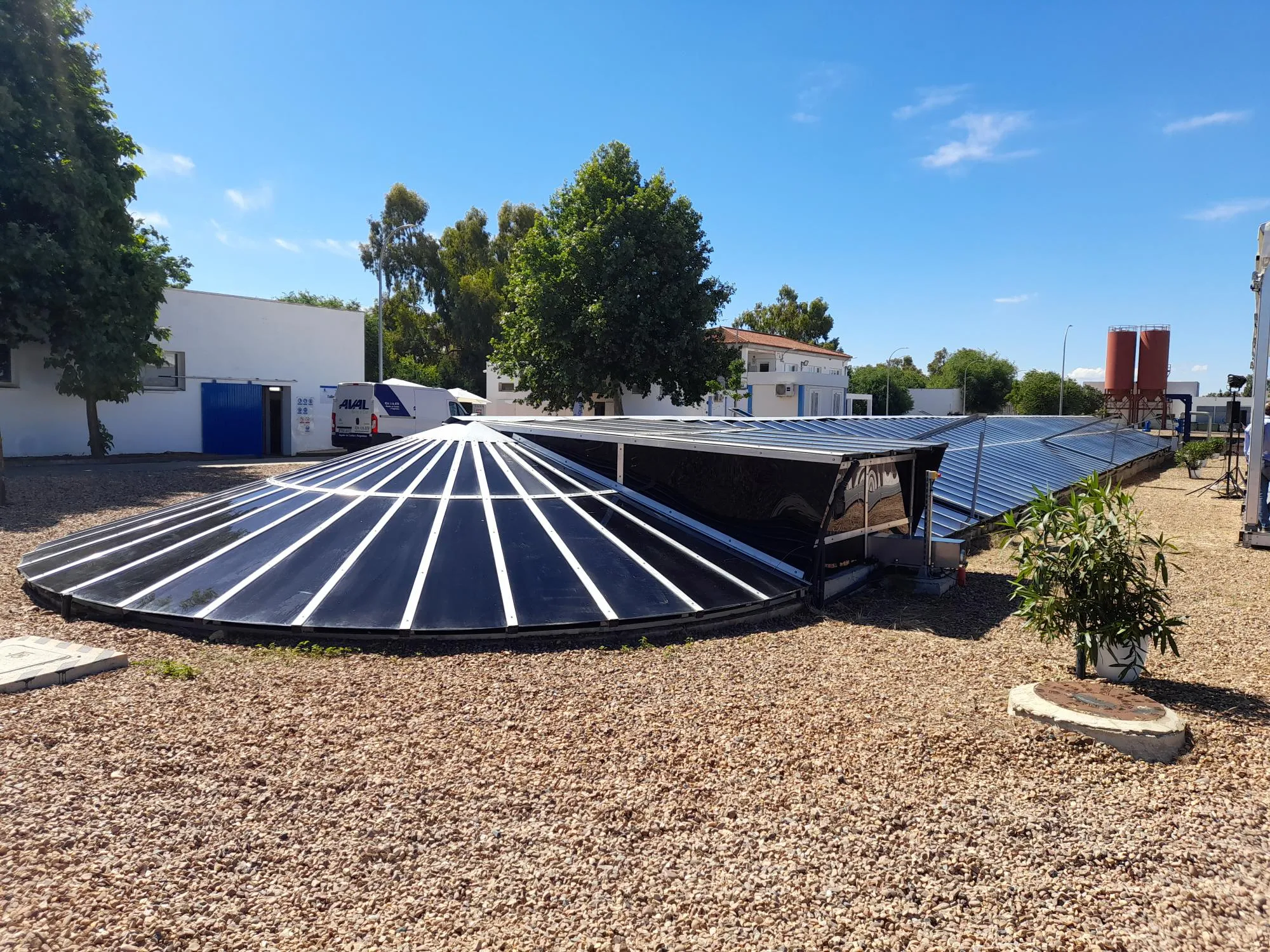
The plant is operated by Aqualia and is based on ANPHORA®, a proprietary technology using purple phototrophic bacteria for wastewater treatment. The system uses light-driven processes to treat wastewater while enabling both energy and material recovery. Its deployment in Linares and now in Badajoz confirms its robustness and suitability for real-world application.
As highlighted by Victor Monsalvo, DEEP PURPLE project coordinator:
With the second demonstrator of ANPHORA® technology in Badajoz, DEEP PURPLE shows how CBE JU-funded innovation can be deployed and sustained beyond the project’s lifetime, enabling wastewater treatment plants to evolve into circular, resource efficient biofactories and accelerating the deployment of circular bio based solutions across Europe.
With a treatment capacity of up to 600 m³ per day, the facility is among the largest of its kind and represents a significant step in scaling up circular bioeconomy solutions under real operating conditions.
A milestone marked by institutional engagement
The inauguration event gathered representatives from industry, public authorities and the research community, highlighting strong support for the deployment of circular bio-based solutions in Europe.
During the event, Nicoló Giacomuzzi-Moore, Executive Director of CBE JU, underlined the role of the partnership in supporting the transition from innovation to industrial deployment.
The inauguration of the Badajoz biorefinery is a strong example of how CBE JU-funded innovation moves beyond research to deliver concrete industrial solutions. Projects like DEEP PURPLE demonstrate that circular bio-based technologies are ready to be deployed at scale, supporting Europe’s transition towards a more sustainable, resilient and competitive economy.
Bio-based products from urban biowaste
Through a flexible, multi-platform photobiorefinery approach, DEEP PURPLE has demonstrated how urban biowaste streams, including wastewater and sewage sludge, can be converted into valuable bio-based products.
Thanks to CBE JU funding, DEEP PURPLE has demonstrated how wastewater treatment plants can operate as full-scale biofactories, recovering valuable resources and producing high added value bio-based products from urban biowaste streams. As project coordinator, Aqualia has played a strategic role in deploying and validating these solutions in real wastewater infrastructures.
Across its three demonstration sites the project has shown the potential to:
Treat large volumes of municipal wastewater under real operating conditions;
Recover biomass and raw materials for further processing;
Produce a range of bio-based applications, from fertilisers to materials and chemicals.
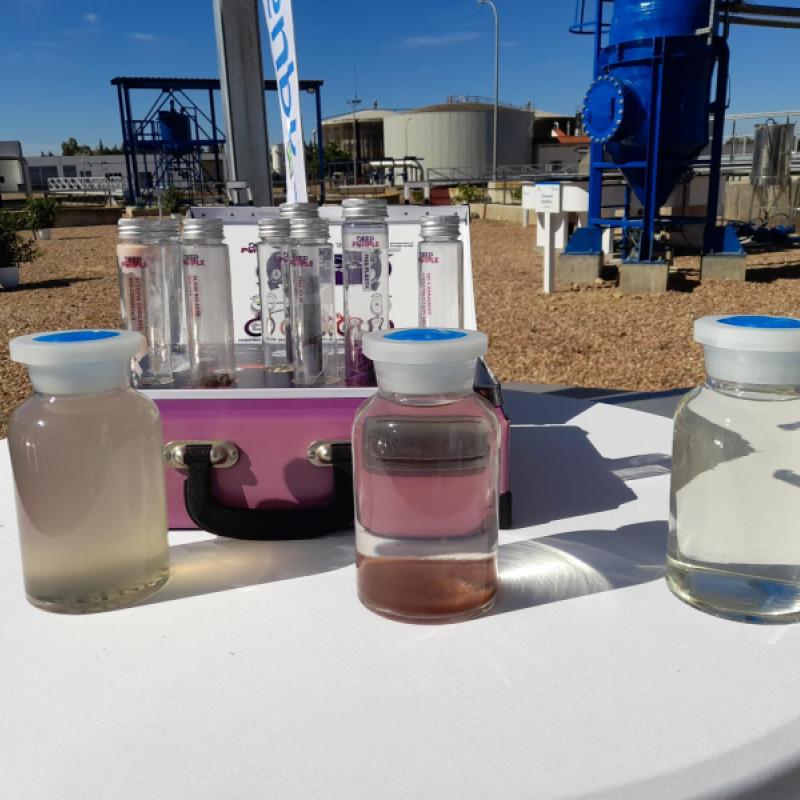
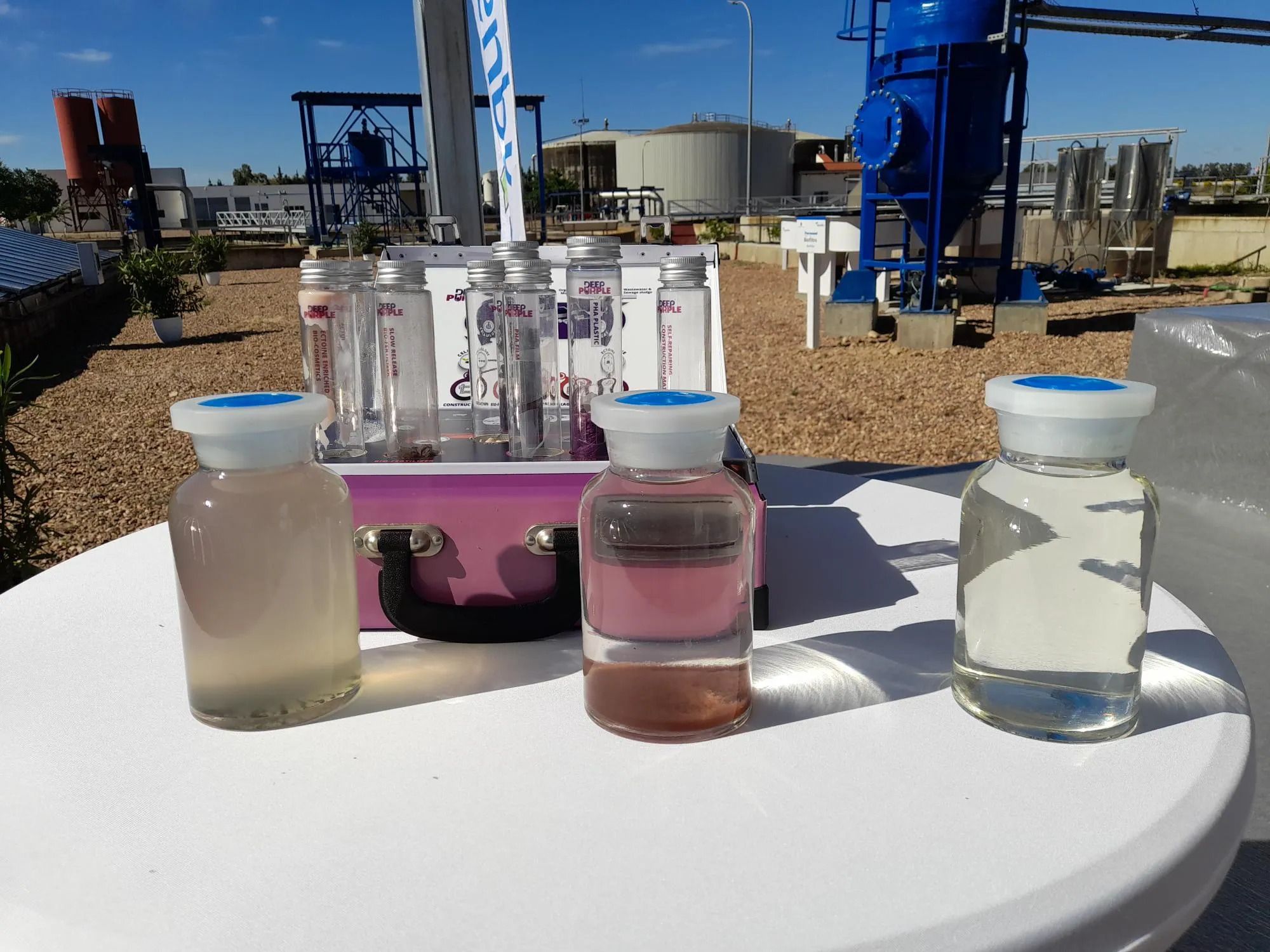
Concrete outputs include slow-release pellet fertilisers produced from enriched biomass, cosmetic ingredients such as ectoine used in skincare formulations, cellulose-based materials including nanofibres for construction applications, and bio-based intermediates for packaging, such as polyesters derived from PHA and cellulose.
Scaling up circular solutions in real conditions
The Badajoz plant builds on the successful implementation of the first DEEP PURPLE demonstrator in Linares, advancing the scale-up of innovative bio-based solutions under operational conditions.
This second plant confirms the technology can be replicated under real operating conditions, supporting its wider industrial deployment. The project also demonstrated the recovery of cellulose, biogas and high-value compounds across different platforms, confirming the flexibility of the system.
A step beyond the project lifetime
Although the DEEP PURPLE project has concluded, the Badajoz facility shows how its results continue to be used and further developed. The plant, operational since 2025, consistently meets wastewater discharge requirements while producing valuable outputs.
Aqualia continues to further develop, deploy and scale up ANPHORA®, ensuring long-term impact beyond the project lifetime. DEEP PURPLE stands as a strong example of how CBE-funded projects generate long-term value, supporting Europe’s transition towards a sustainable, resilient and competitive bio-based economy.
Further development of the ANPHORA® technology is ongoing through two Horizon Europe projects, POSTPURPLE and WATERSENS, both being implemented at the Badajoz wastewater treatment plant. These projects focus on reducing costs and improving operational performance under evolving regulatory requirements.