Publication date:
As 2025 draws to a close, CBE JU is pleased to look back on a year marked by significant progress in advancing Europe’s circular bio-based industries. From record interest in the 2025 call for project proposals and major milestones in flagship biorefineries to the launch of new projects, and improved programme monitoring tools, the partnership continued to demonstrate its central role in driving the deployment of sustainable, competitive bio-based solutions across the European Union. This article highlights key achievements that collectively illustrate how CBE JU is accelerating industrial scale-up, strengthening primary producer involvement, supporting SMEs and showcasing tangible results across Europe’s bioeconomy.
A breakthrough year for flagship biorefineries
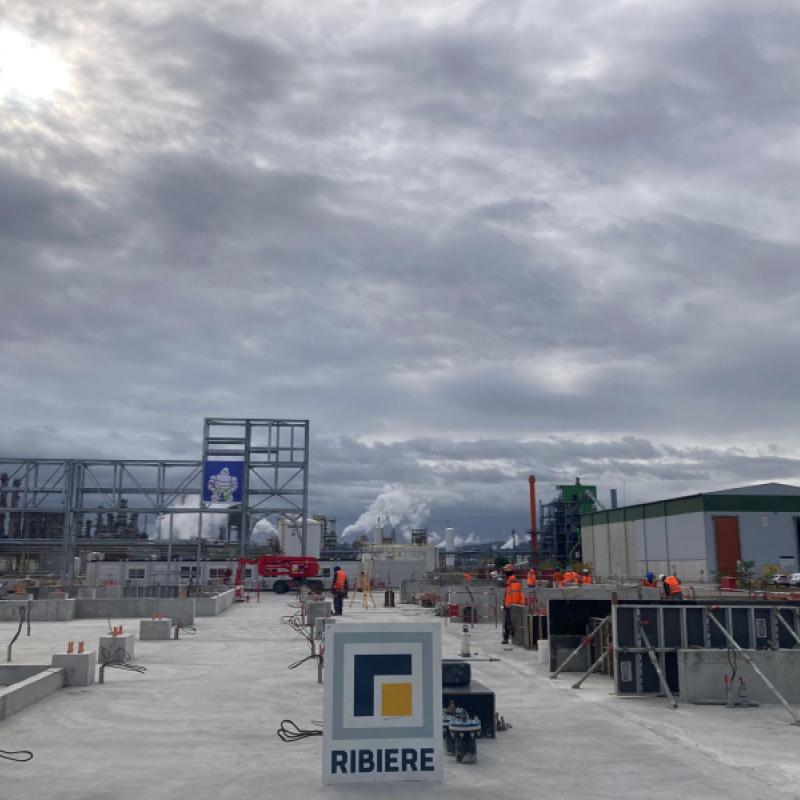
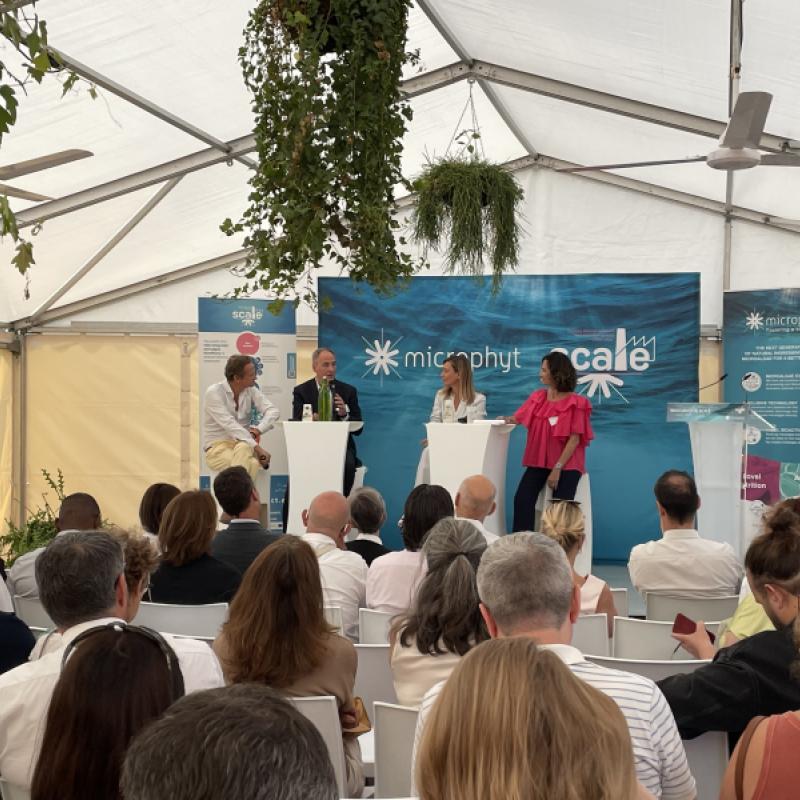
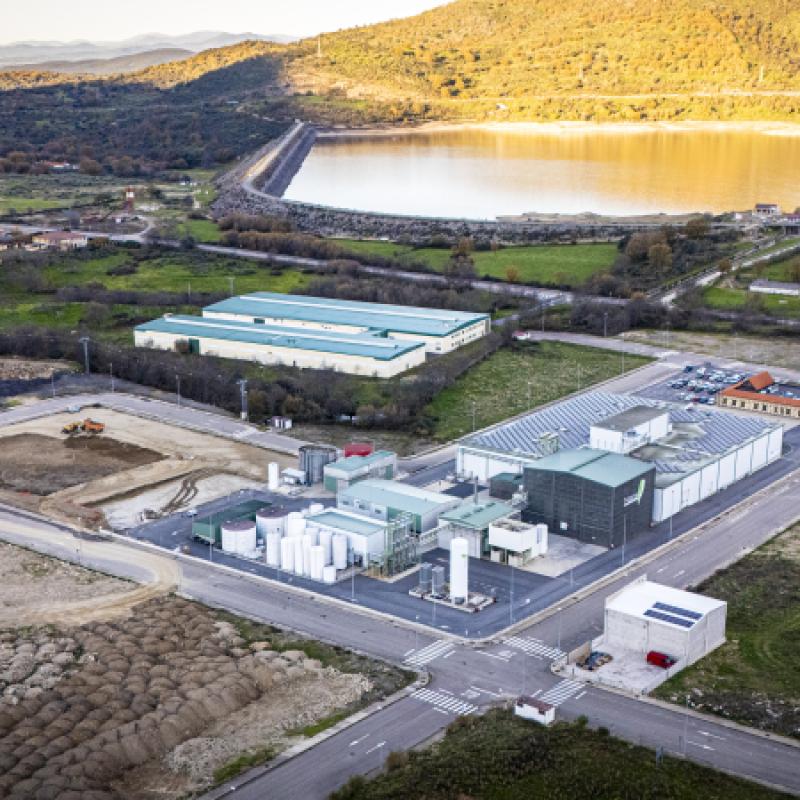
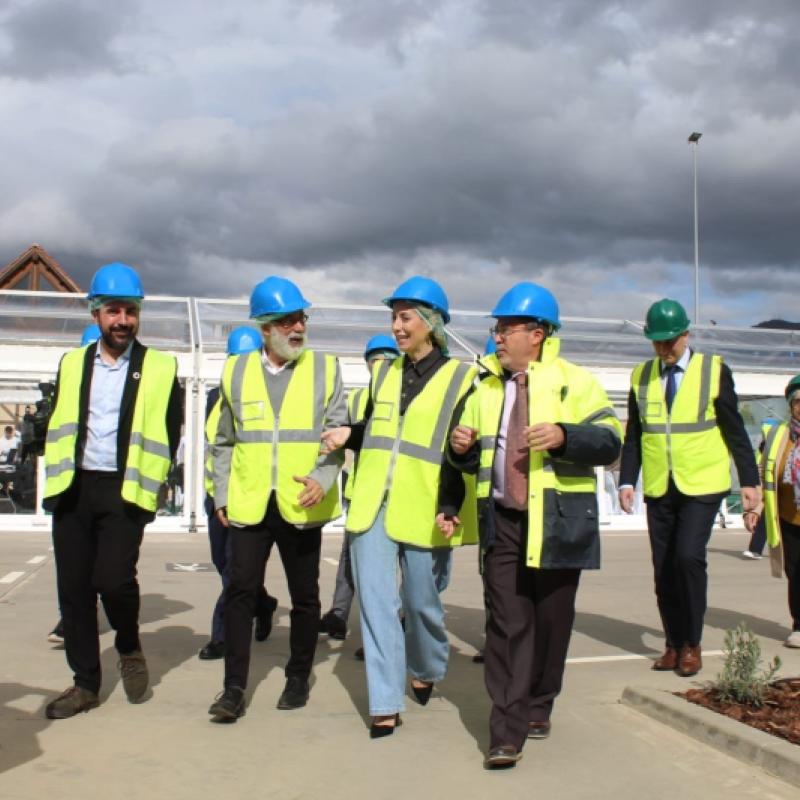
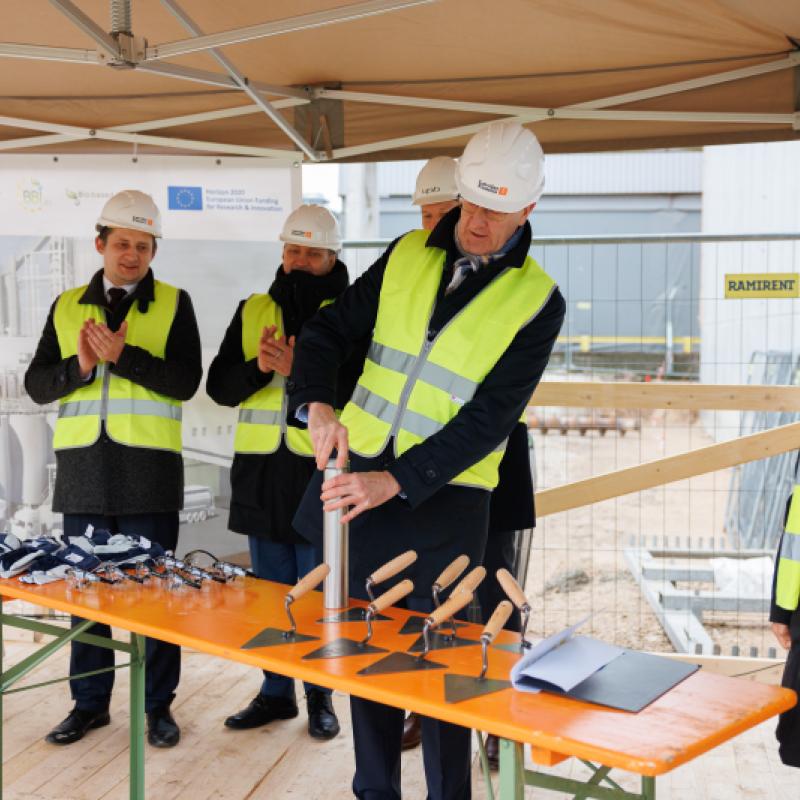
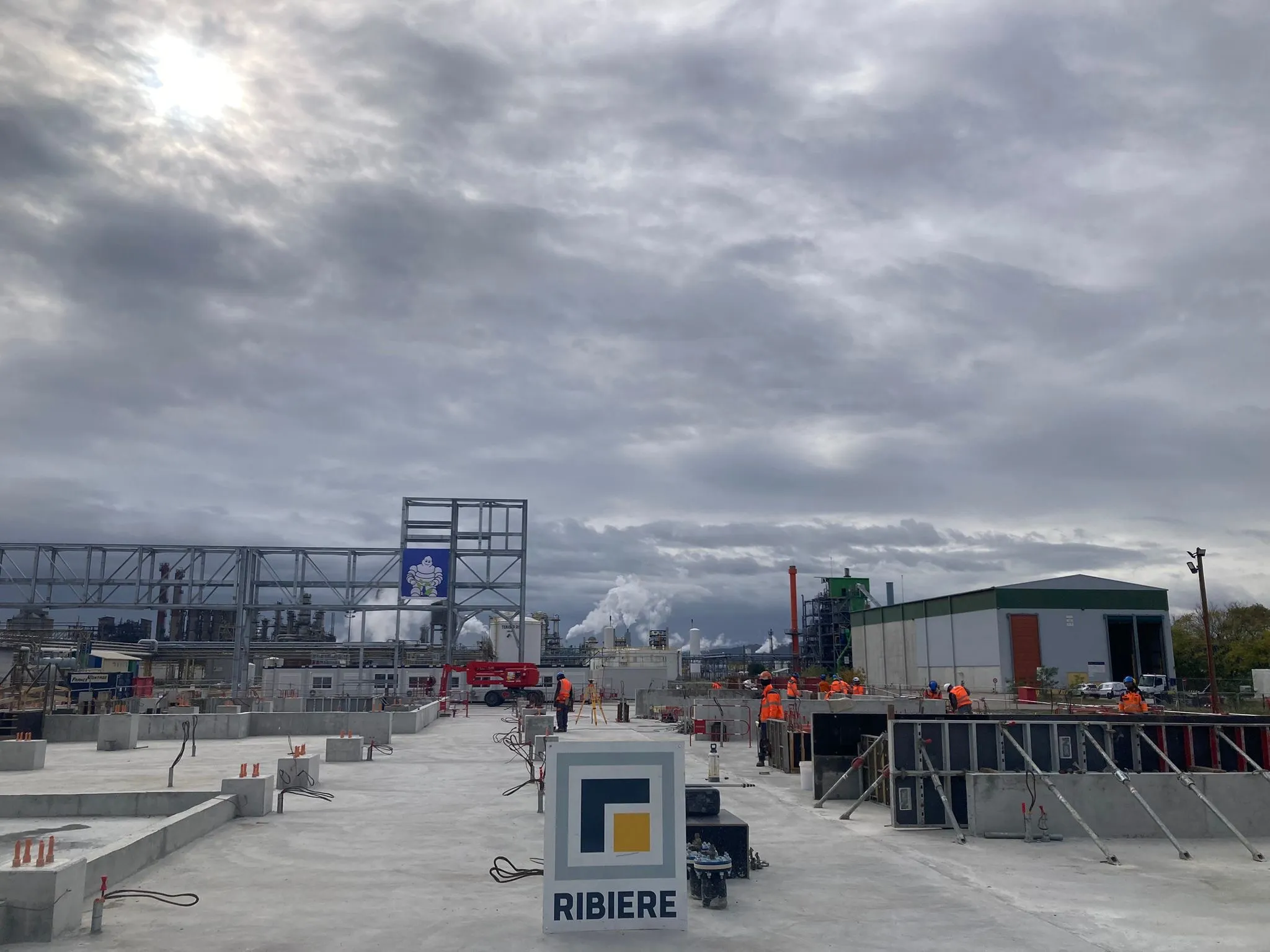
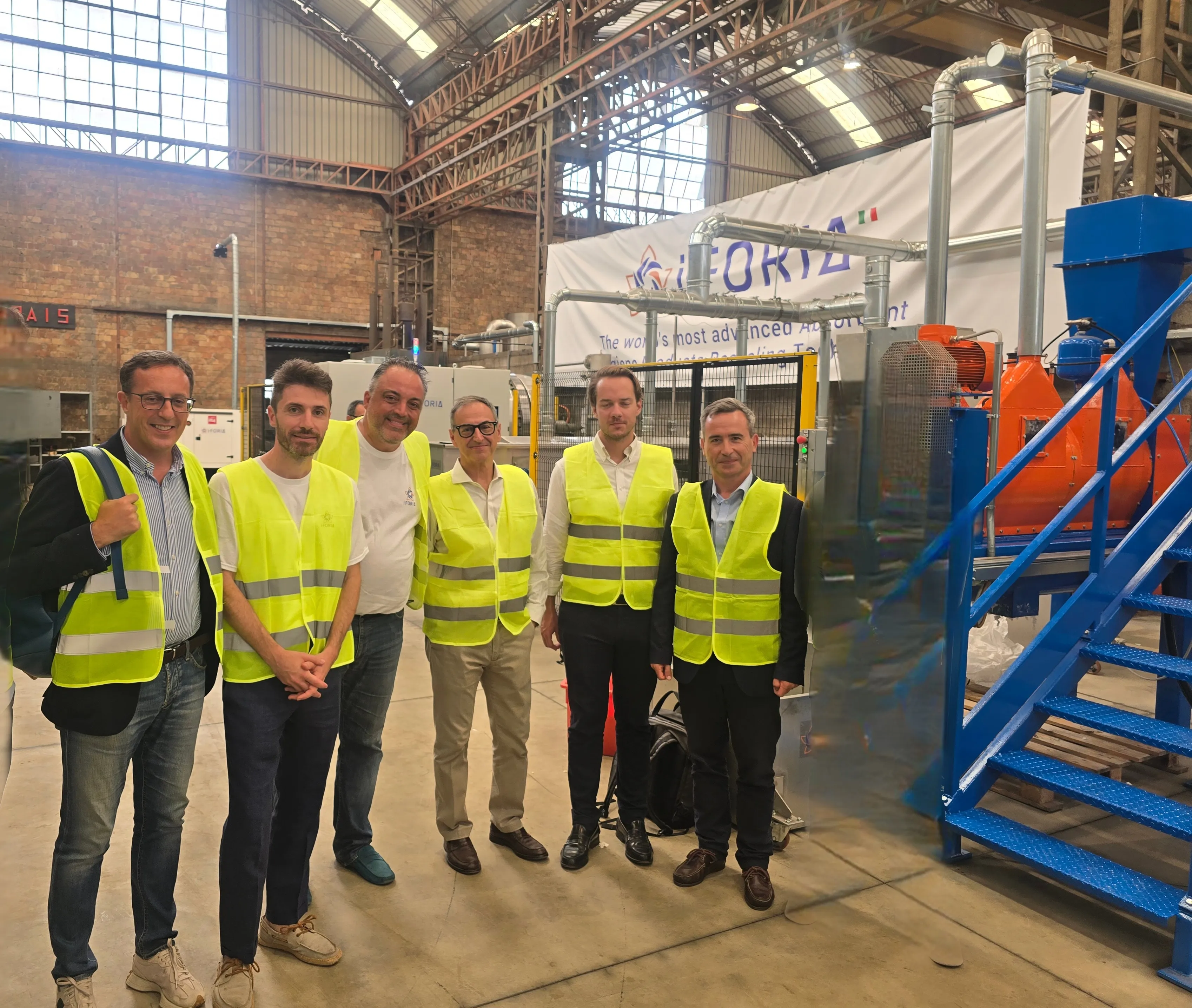
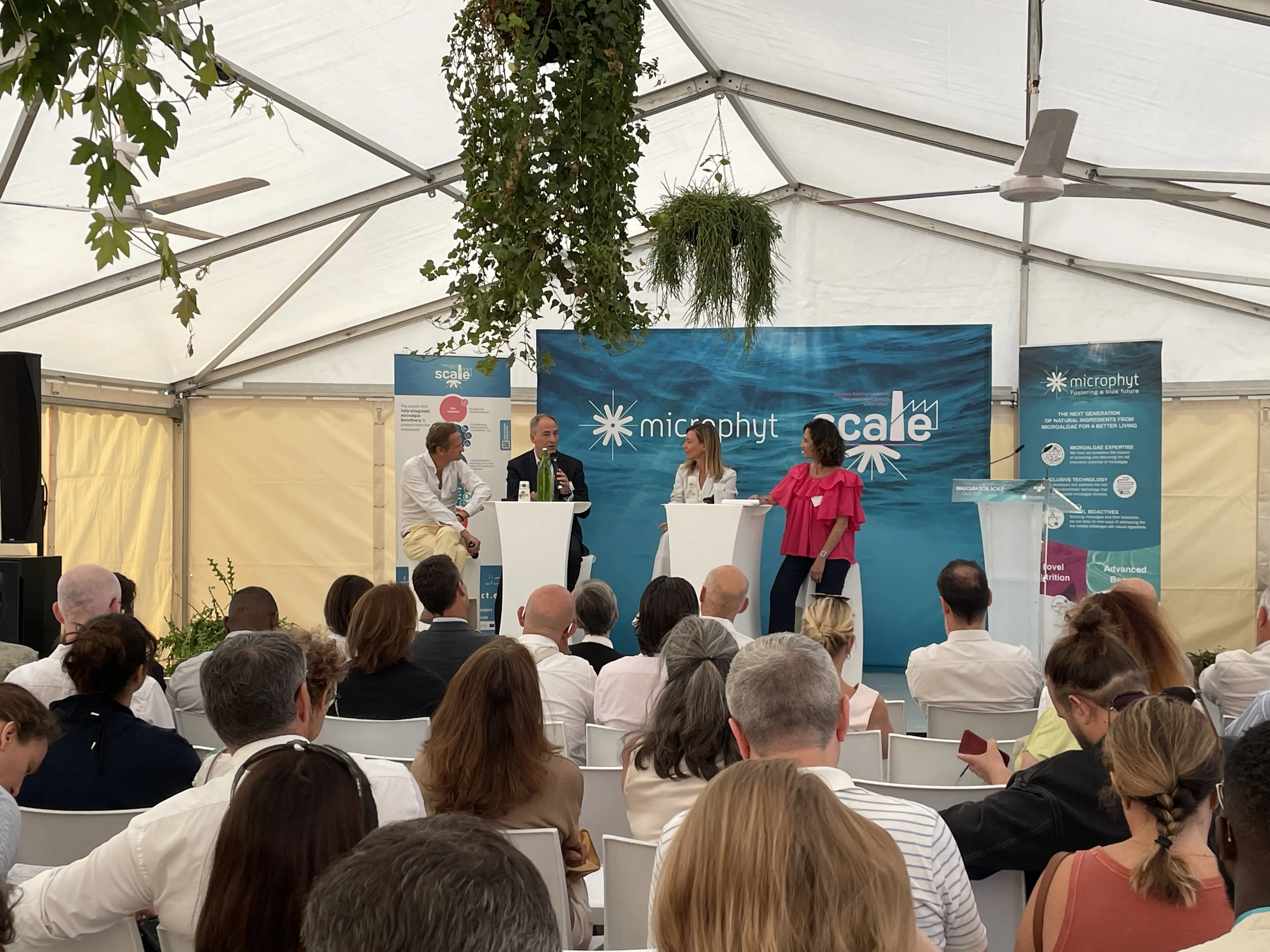
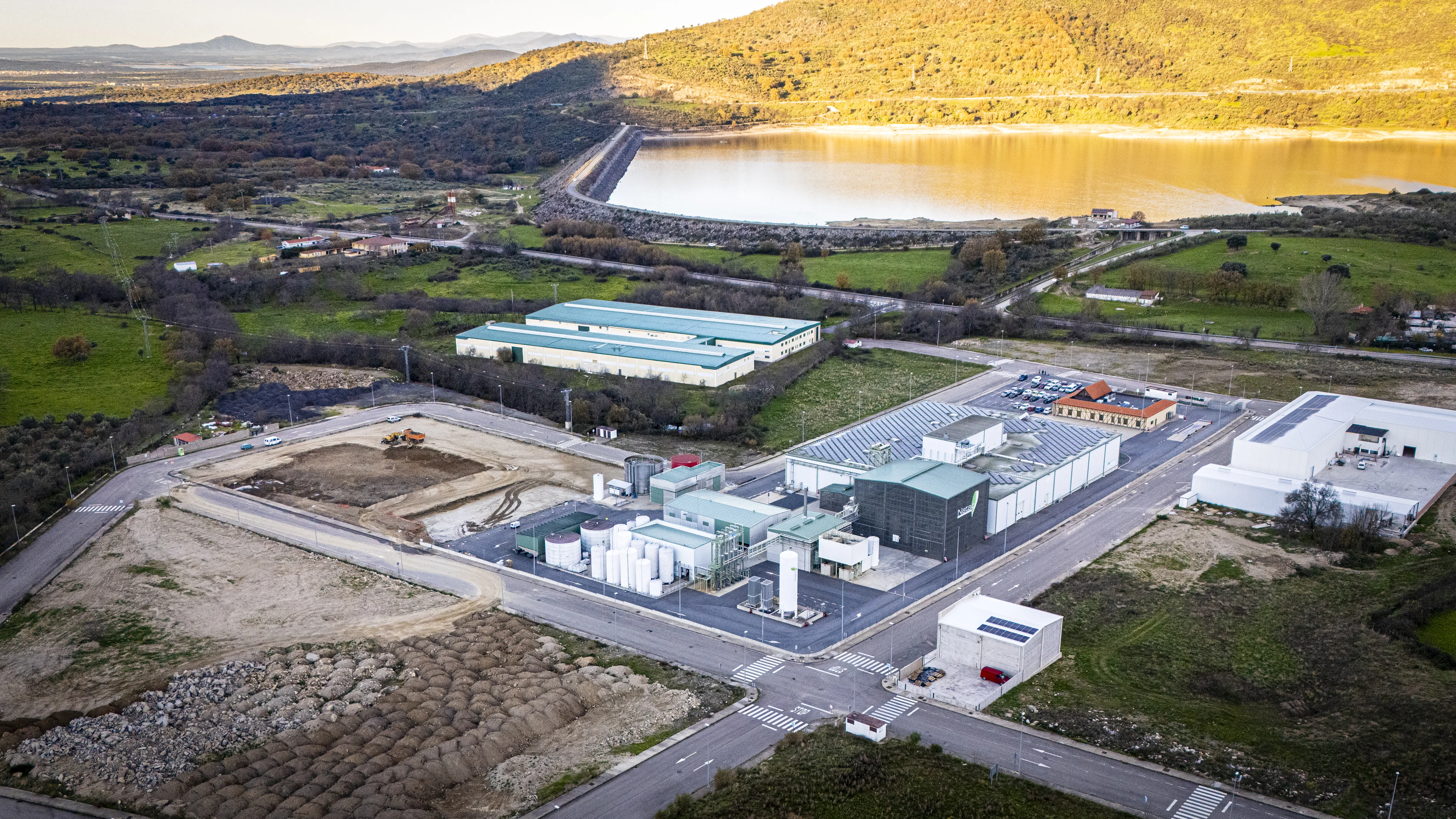
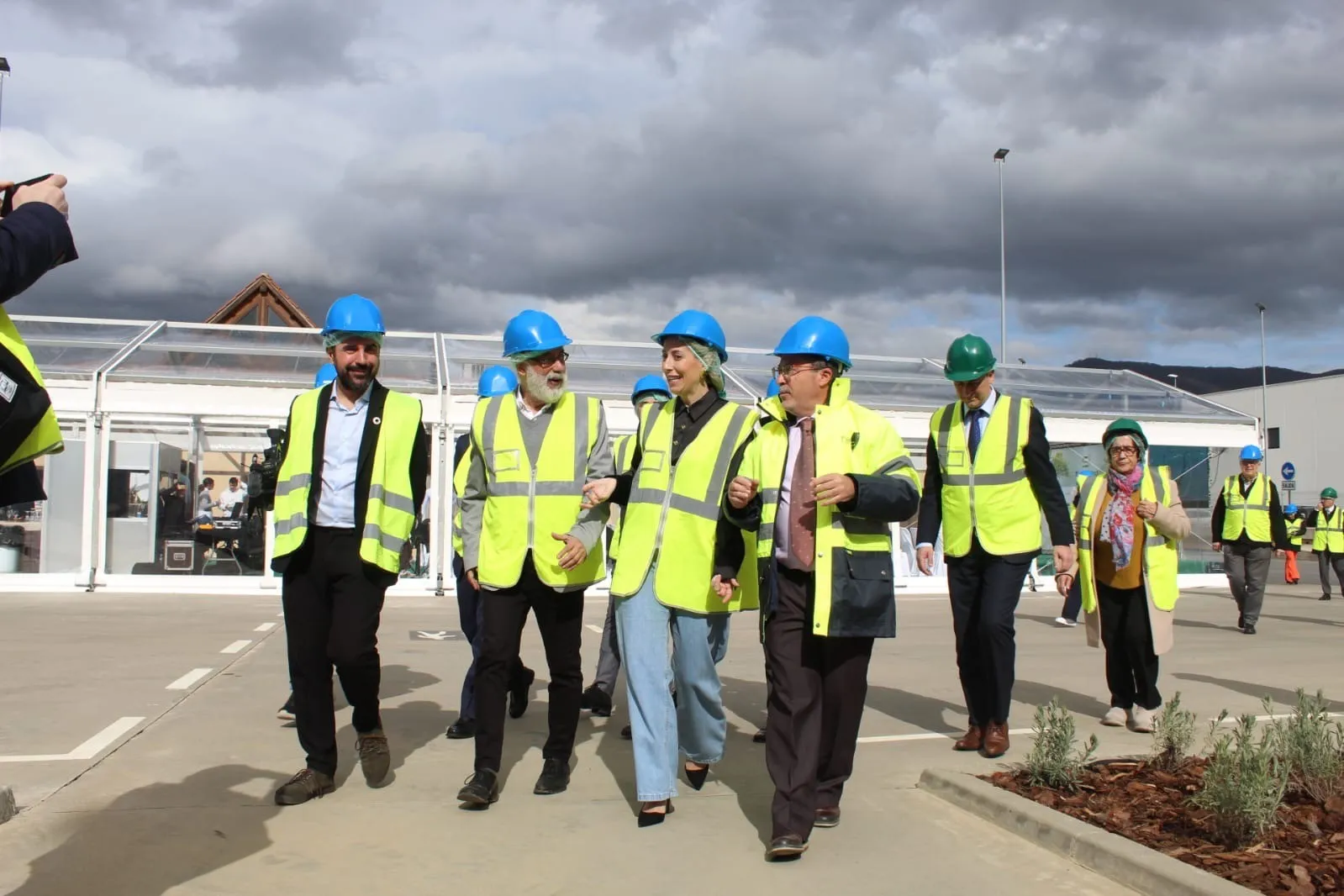
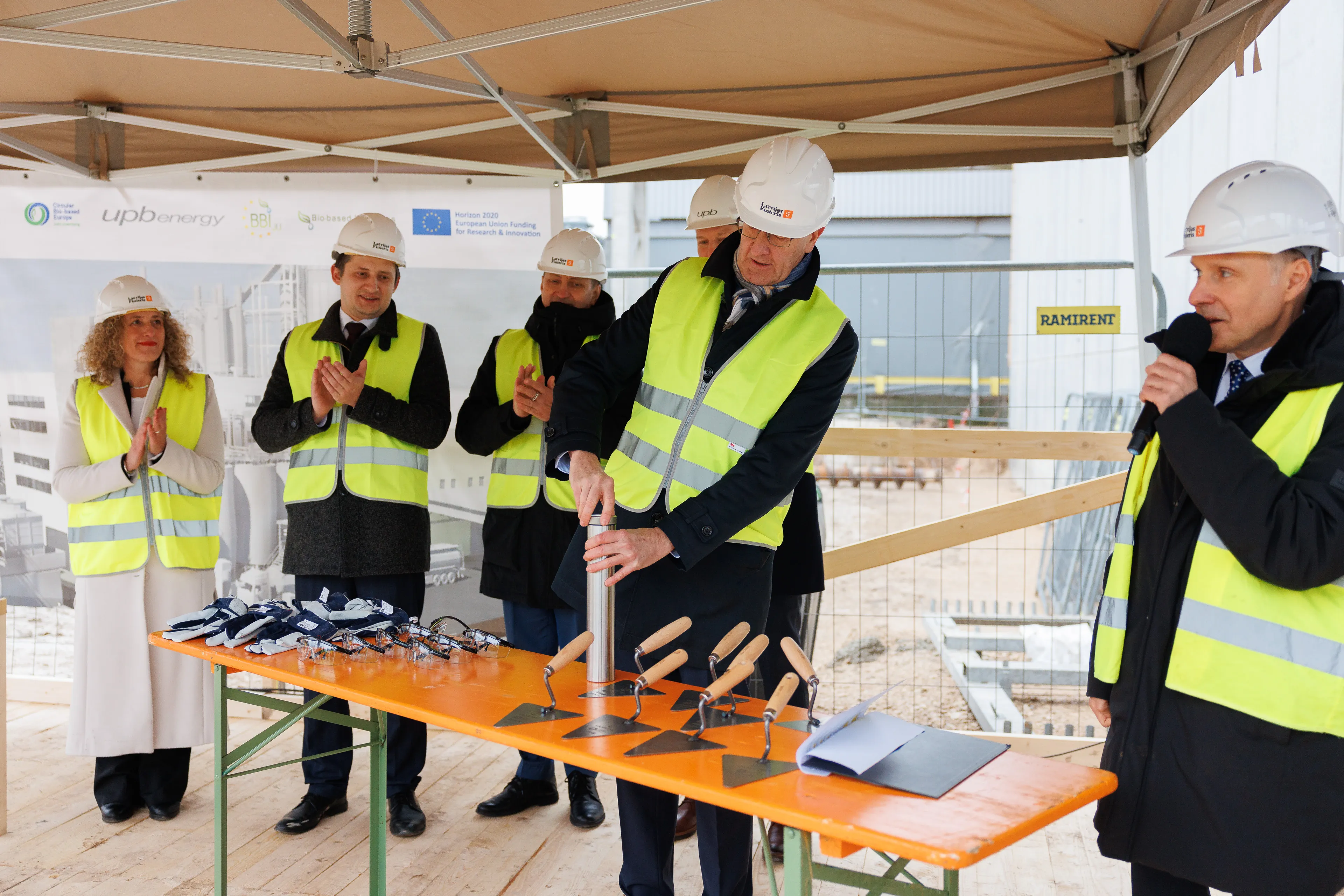
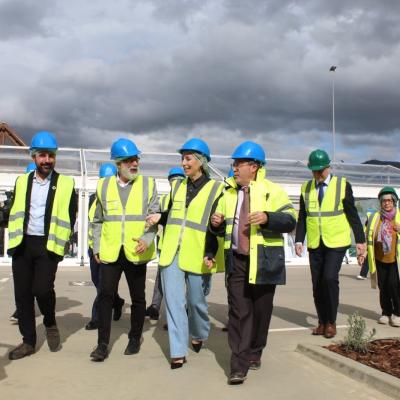
This year brought significant progress for Europe’s bio-based industry, with the inauguration of several CBE JU-funded flagship biorefineries. In Latvia, the VIOBOND project completed the foundations for its biorefinery in Riga, bringing Europe closer to its first commercial plant producing lignin-based resins. In Spain, construction began on the SUSTAINEXT biorefinery in Hervás, where an existing site is being transformed into a state-of-the-art facility that will convert agricultural sidestreams into high-value plant-based ingredients. Southern France saw the opening of the world’s first industrial microalgae biorefinery of the SCALE project, demonstrating cutting-edge production of natural active ingredients for multiple markets. Also in France, the CERISEA project broke ground in Roussillon on Europe’s first industrial-scale 5-HMF production facility, paving the way for large-scale manufacturing of bio-based chemical ingredients. Together, these milestones reflect Europe’s accelerating shift towards sustainable bio-based production at industrial scale.
A record-breaking year for funding applications
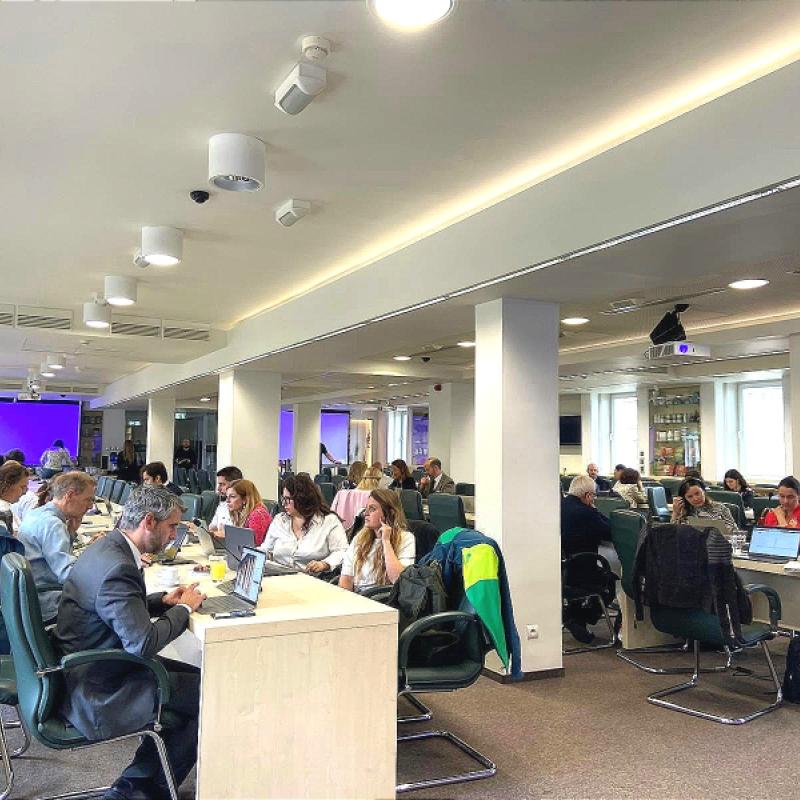
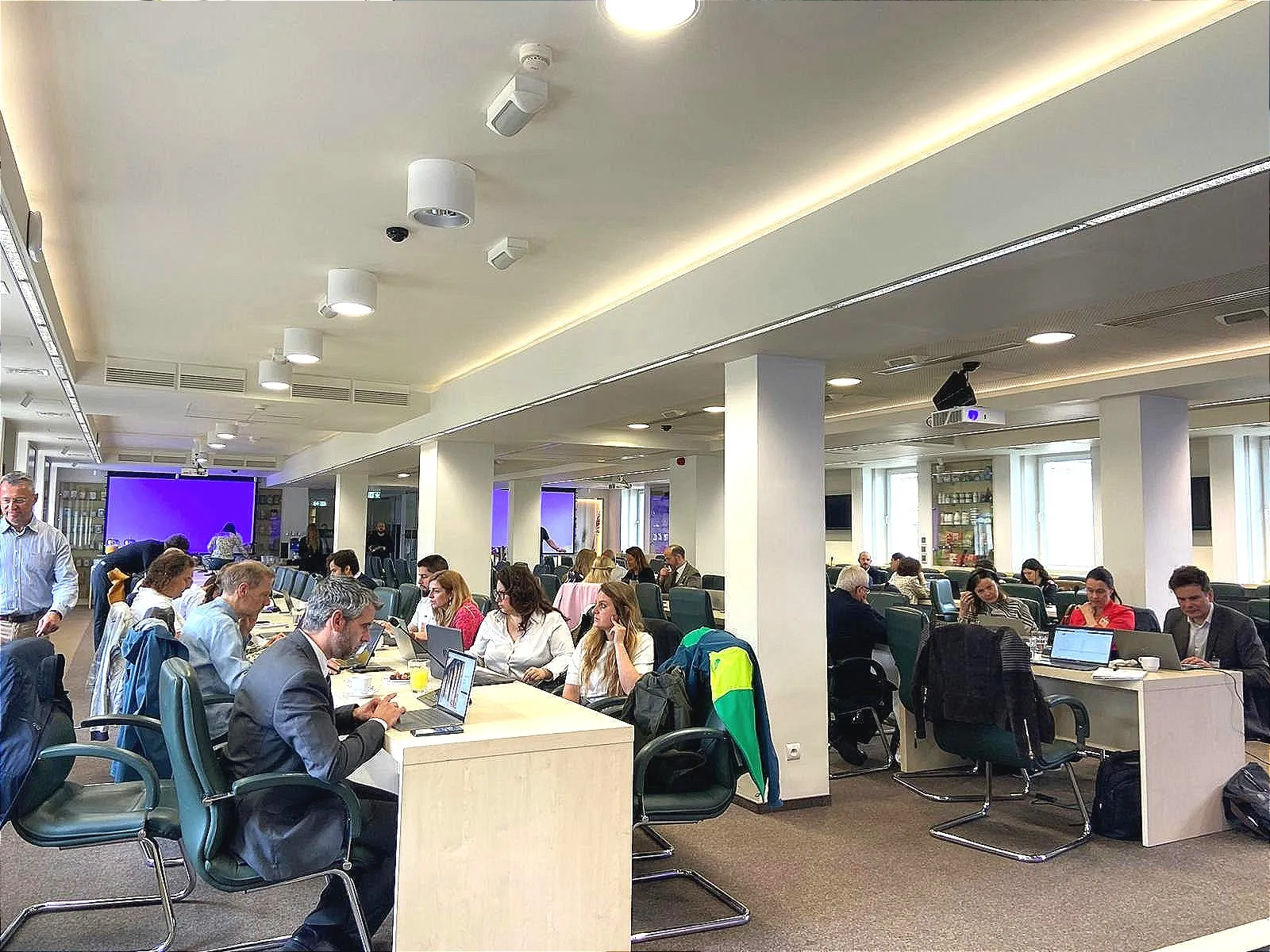
The CBE JU Programme Office received 248 project proposals by the 2025 call deadline of 18 September, with a total requested funding of over €1.42 billion, against the indicative call budget of €172 million. This record application rate clearly demonstrates that the diverse bioeconomy stakeholder community is ready to scale up innovative technologies and solutions in Europe. The high level of interest does not come as a surprise though, as over 1,500 applicants have been actively collaborating on the CBE JU networking platform, with more than 1,400 meetings held over 2025.
Meanwhile, 30 projects selected in the previous call kicked off this year bringing the CBE JU-funded project portfolio to 220. Over 400 beneficiaries from 33 countries will receive a total of €197.5 million to drive the development of new innovative circular bio-based consumer products and industrial solutions. Two of them are building first-of-their-kind flagship biorefineries in Southern France and Italy.
Launching the 2026 work programme
In December, CBE JU published its 2026 work programme, making €170.7 million available for new project proposals. The programme sets 13 topics, addressing key priorities such as biotech scale-up, circular design, feedstock diversification and market uptake. Fully aligned with the EU’s updated Bioeconomy Strategy and competitiveness objectives, the 2026 work programme reinforces CBE JU’s role in supporting sustainable biomanufacturing and strengthening Europe’s industrial base. The call for proposals will open in April 2026.
Demonstrating the impact of long-term European investment
In December, CBE JU highlighted the long-term results of its predecessor, the Bio-based Industries Joint Undertaking (BBI JU) through the publication Investing for impact: building Europe’s bio-based future. The BBI JU’s achievements show how coordinated European investment has supported the deployment of innovative bio-based solutions across Europe. With €822 million in EU funding, BBI JU mobilised more than €2.6 billion in total investment across 138 projects, engaging over 1,100 organisations in 35 countries and establishing 156 new bio-based value chains. Around 35% of beneficiaries were SMEs, confirming their central role in industrial innovation and market uptake. Overall, the programme delivered 106 new bio-based products and 92 new industrial processes, alongside 149 patent applications and more than 850 scientific publications, demonstrating strong progress from research to industrial application.
Supporting SME participation and industrial growth
Throughout 2025, CBE JU continued to strengthen its support for small and medium-sized enterprises as key drivers of Europe’s bio-based economy. SMEs represent nearly 40% of participants across CBE JU-funded projects and receive more than one-third of total programme funding. Project portfolio analysis shows that SMEs coordinate almost half of all Innovation Actions, contributing specialised expertise across sectors including chemicals, materials, food, agriculture and biotechnology. CBE JU facilitates access to funding, pilot facilities and collaborative networks and supports SMEs in scaling their activities, expanding market opportunities and contributing to sustainable industrial growth across European regions.
Building momentum towards the Stakeholder Forum 2026
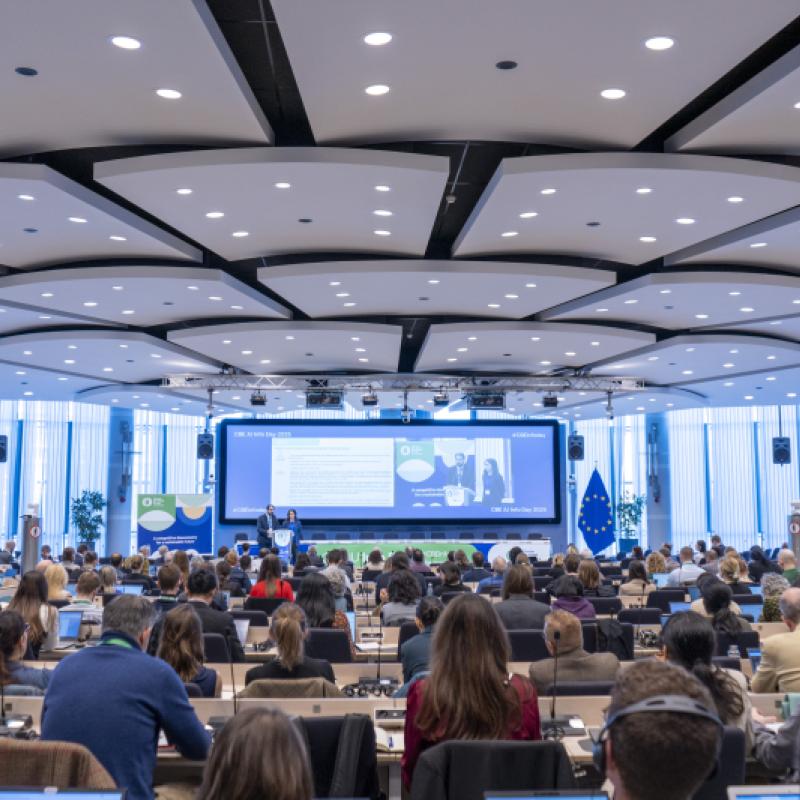
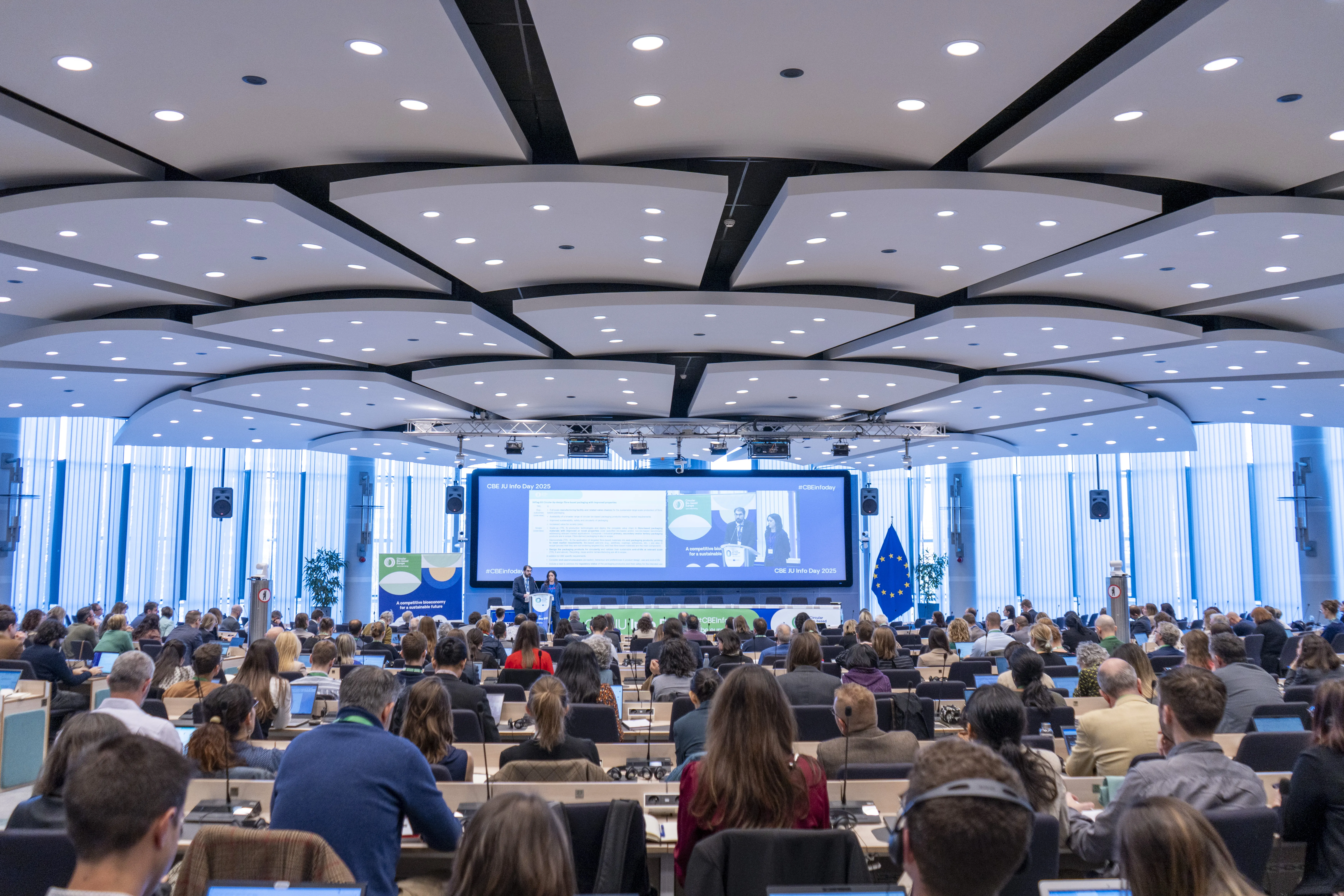
Registration for the second edition of the CBE JU Stakeholder Forum opened in November. The event will take place on 24 March 2026 in Brussels and will bring together more than 400 stakeholders from across Europe’s bio-based ecosystem. The high-level forum will focus on how innovative bio-based solutions can reach large-scale industrial deployment, supported by panel discussions and an exhibition of solutions developed by CBE JU-funded projects. The forum will provide a dedicated platform to exchange perspectives on industrial scale-up, regional approaches and Europe’s leadership in the bioeconomy.
A new tool to explore participation in CBE JU projects
2025 also saw the launch of the CBE JU country & organisation participation dashboard, offering a new interactive tool to explore how EU Member States and associated countries are involved in BBI/CBE JU projects. This tool brings complex project data to life through dynamic visualisation and intuitive filters, allowing policymakers, researchers and industry stakeholders to view national involvement, project types, funding levels and geographic distribution across the EU and associated countries. By translating detailed project information into an accessible and interactive format, the dashboard helps improve transparency and understanding of the European bioeconomy landscape and the role of CBE JU in driving collaborative innovation.
A snapshot of Europe’s bioeconomy
In July, CBE JU released an updated edition of its flagship brochure A competitive bioeconomy for a sustainable future, which reviewed the year’s progress in Europe’s bioeconomy. The publication addresses key milestones, including the deployment of first-of-their-kind biorefineries, the development of more than 260 new bio-based materials and the role of SMEs that are strengthening rural economies across Europe. With more than €1.3 billion invested in Europe’s bio-based sector so far, the publication shows how research, innovation and entrepreneurship are working together to deliver sustainable solutions across various industries, reinforcing Europe’s transition toward a circular bio-based future.
Driving policy impact beyond project results
In 2025, the CBE JU-funded EMBRACED project demonstrated the relevance of successful results leading to strategic public investment decisions. The project provided a concrete industrial model for advanced waste management for bio-based production, contributing to the Italian government’s decision to allocate over €109 million from its National Recovery and Resilience Plan to support the development of a new biorefinery infrastructure across the country. This example illustrates how CBE JU projects can inform policymaking, support large-scale public investment and strengthen Europe’s circular bioeconomy framework beyond individual research outcomes.
Enhancing integration of primary producers in the European bioeconomy
In June, CBE JU launched its working group on primary producers, a three-year initiative to ensure that farmers, foresters, fishers and aquaculture producers can actively shape innovative circular bio-based systems and benefit from their involvement in them. About 80 primary sector representatives are actively engaged in the group with the aim of increasing the sector’s participation in the CBE JU programme.
Celebrating Europe’s next generation of bioeconomy innovators
The EUCYS 2025 bioeconomy prize, supported by CBE JU, marked another highlight this year. At the European Union Contest for Young Scientists in Riga, 18-year-old Evita Mārtinsone from Latvia won the bioeconomy prize for her research into sustainable and affordable ultraviolet protection using plant oils. Her work showed that several plant-based oils can absorb UVA radiation and introduced a novel testing approach that could help make sunscreen development more environmentally friendly and cost-effective. Evita will present her research in Brussels, in March 2026, to EU institutions, policymakers and bioeconomy stakeholders, highlighting the vital role young innovators play in advancing sustainable bio-based solutions.
Overall, 2025 marked a year of progress for CBE JU in supporting the deployment of competitive and sustainable bio-based solutions across Europe. Strong stakeholder engagement, continued industrial advancement and targeted programme initiatives have reinforced the partnership’s role in strengthening the European bioeconomy. Building on this momentum, CBE JU enters 2026 focused on industrial scale-up, collaboration across value chains and delivering concrete results at European level.