From innovation to impact in 2025: scaling solutions, expanding reach 

2025 highlights 1


In 2025, CBE JU continued to strengthen Europe’s circular bio-based industries by funding new projects, helping promising innovative solutions reach industrial scale and attracting new participants to the programme.  

From record interest in the 2025 call for proposals to major project milestones, new monitoring tools and stronger participation from underrepresented countries, the year showed how Europe’s bioeconomy is growing in reach, scale and impact. 
On track for wider impact 

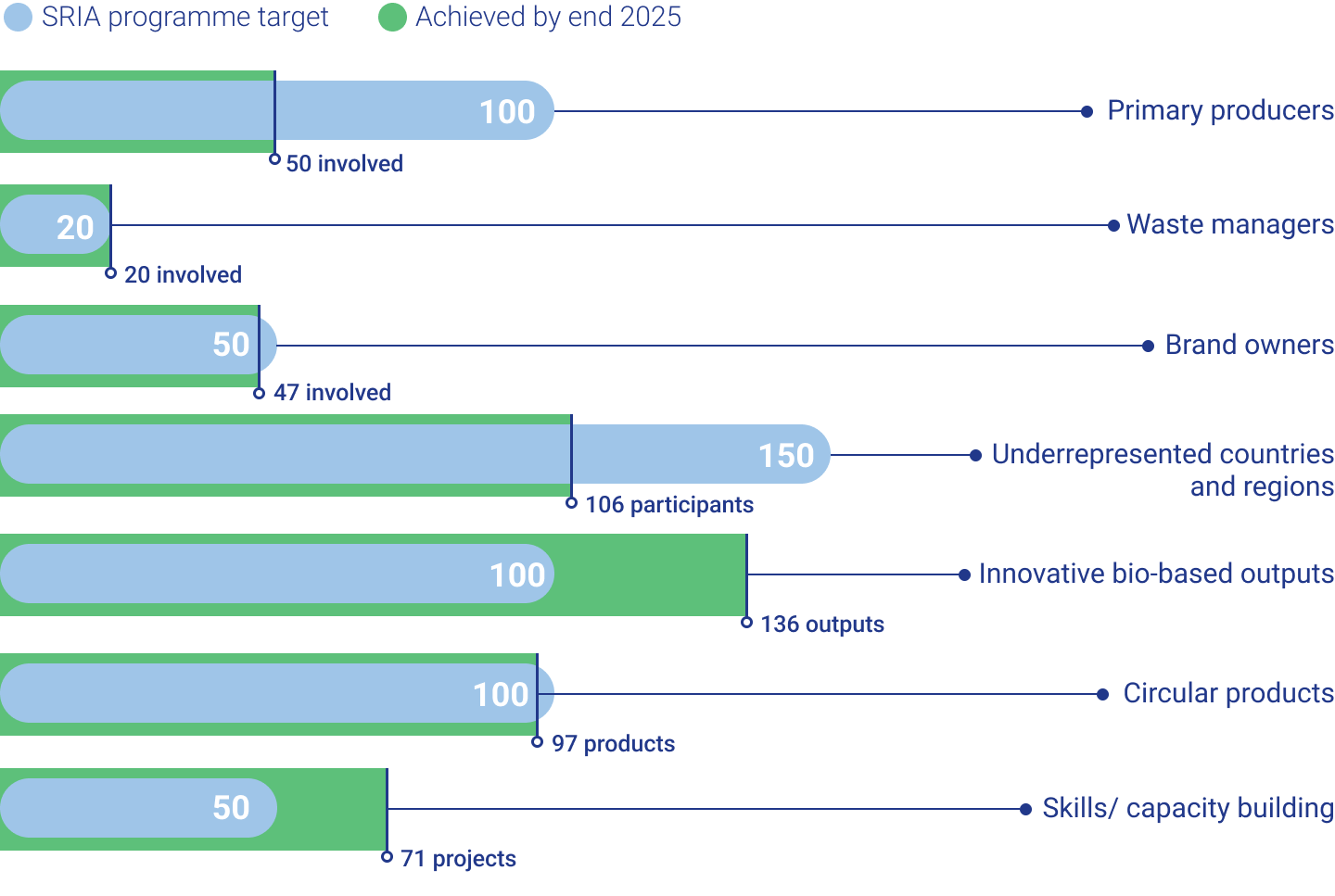
By the end of 2025, participation across key CBE JU-specific KPIs showed strong progress towards the 2030 targets set out in the Strategic Research and Innovation Agenda (SRIA). Projects had already involved 50 primary producers, reaching 50% of the target, while waste manager participation had reached its target and brand owner involvement was close to completion, with 47 out of 50 already involved. Participation from underrepresented countries and regions also increased, with 106 newcomer participants of the 150 target, confirming that CBE JU is on track to broaden inclusion while supporting market uptake and socio-economic impact. 


2025 highlights 2

On the map

CBE JU is funding first-of-their-kind demonstration plants and flagship biorefineries across Europe, helping expand the circular bio-based economy. Figures include both new and existing demonstration facilities and both new and upgraded flagship biorefineries. 

Select what you want to see

  • Demonstration plant
  • Flagship biorefinery
Click and drag to explore all the projects around Europe

Record-breaking interest and broader participation 

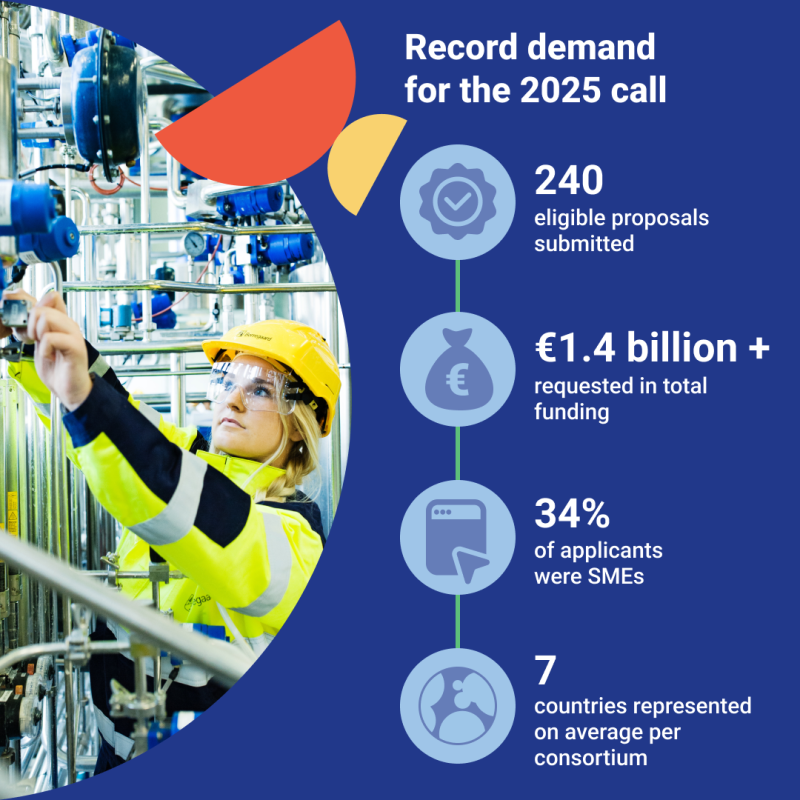
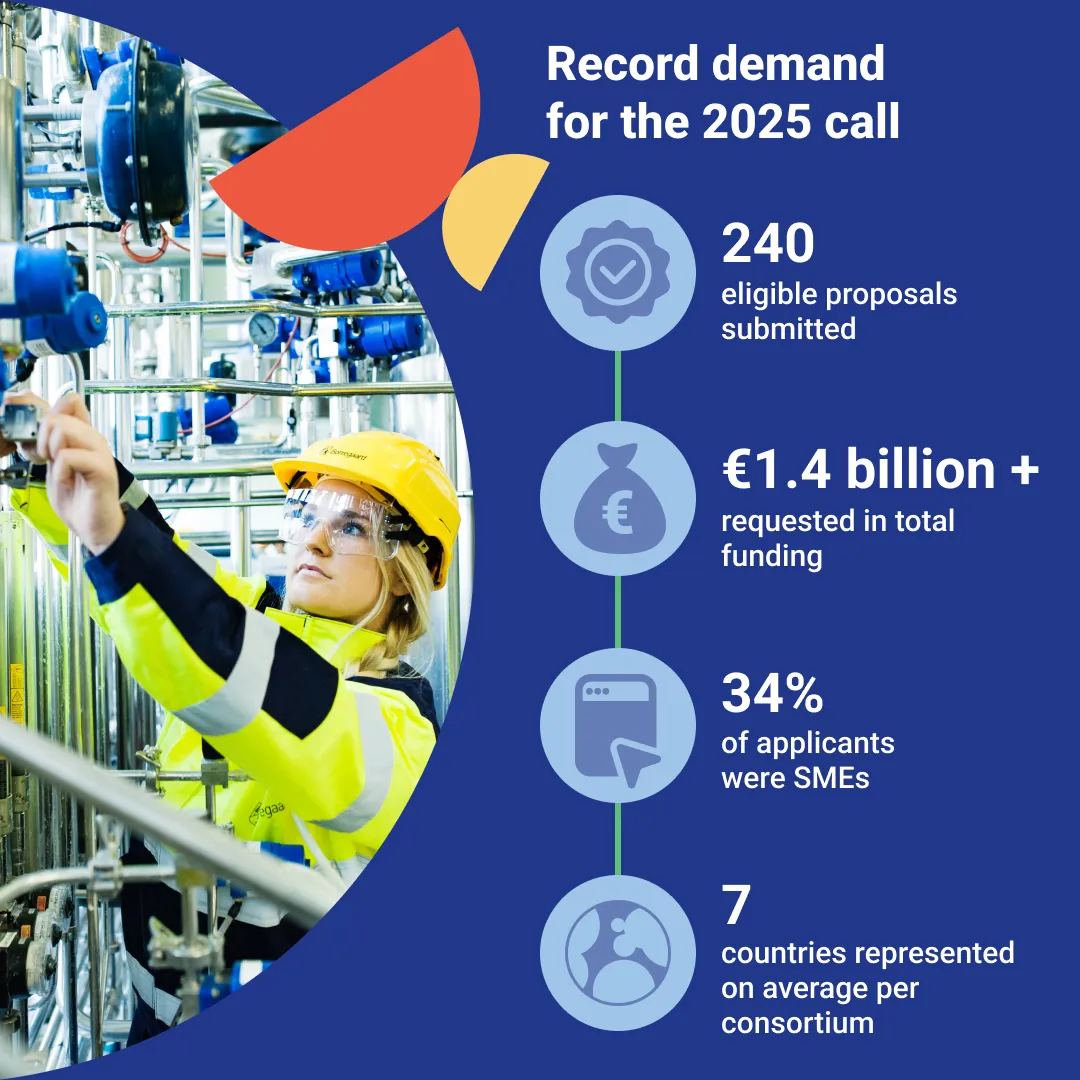
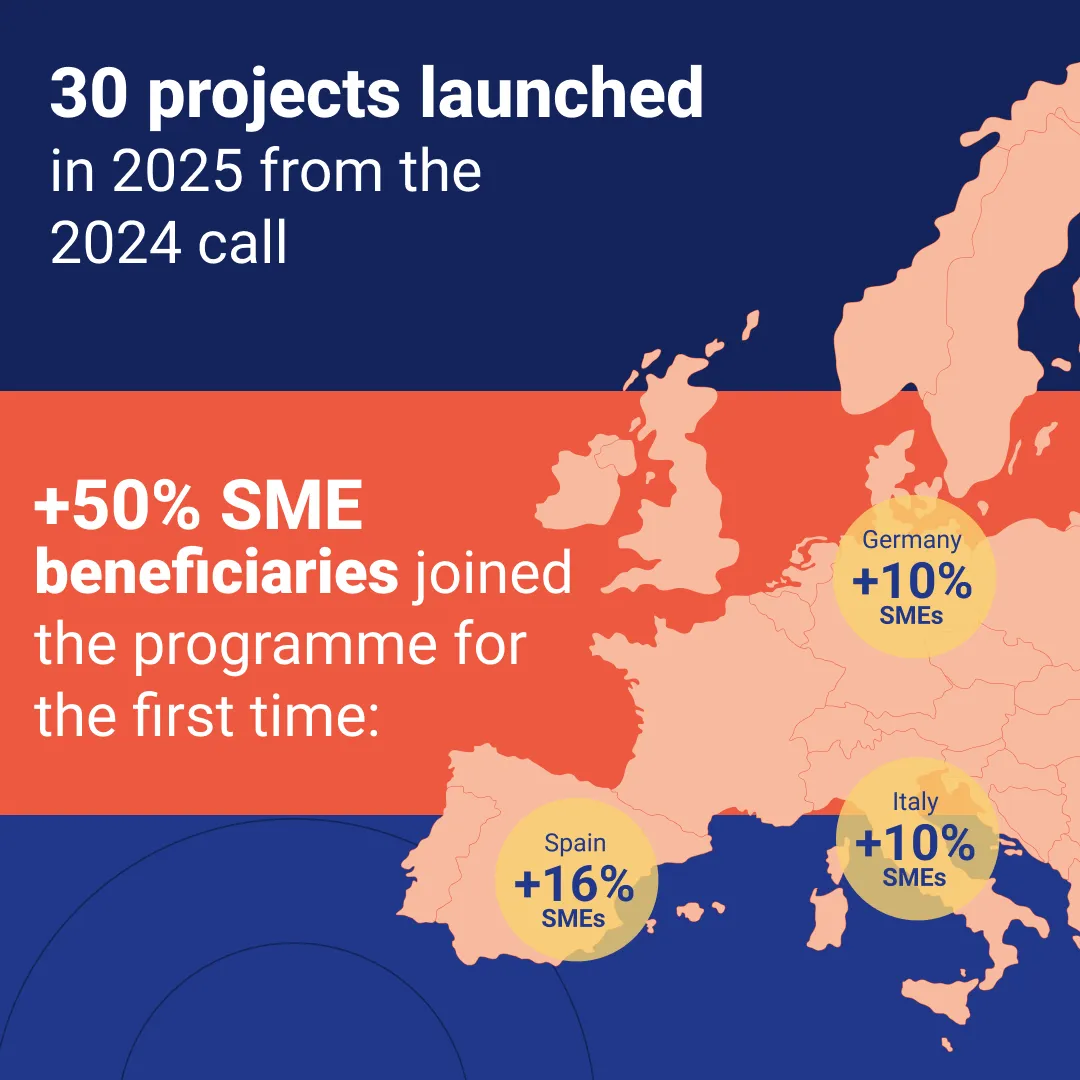
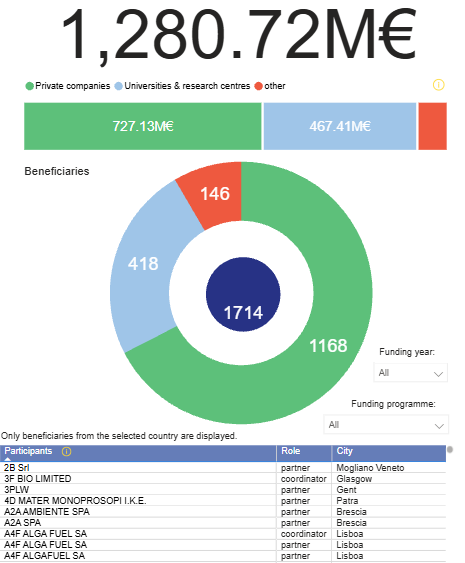
The 2025 call for proposals confirmed the continued attractiveness of CBE JU funding. Applicants submitted a record number of 240 eligible proposals, requesting more than EUR 1.4 billion in total funding. Participation from widening countries also continued to grow in 2025, showing that more regions are connecting to CBE JU opportunities and Europe’s circular bio-based economy.

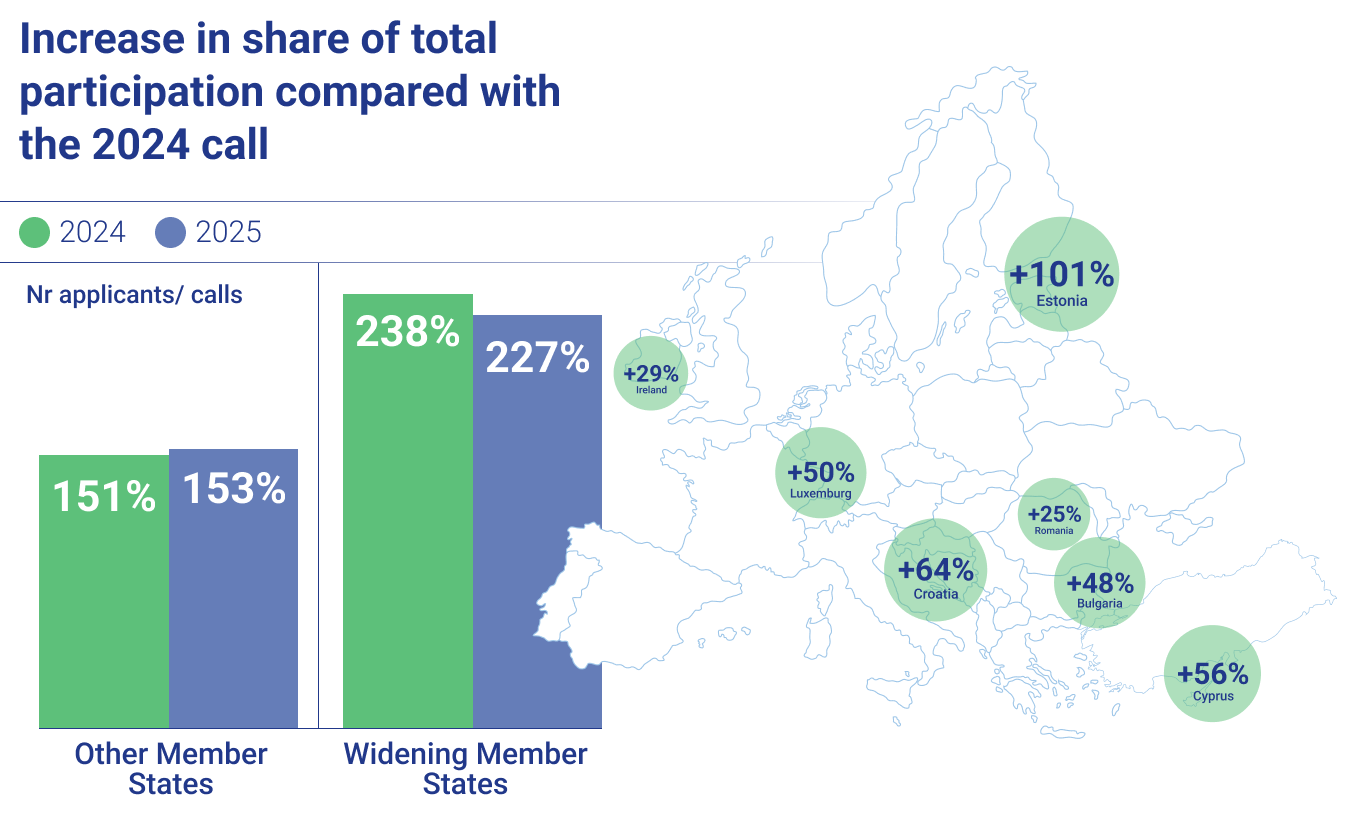
CBE JU’s efforts to widen participation are delivering visible results. Project applications from the  15 widening countries increased more strongly than in other Member States compared with 2024, with several expanding their share of total participation. This positive trend reflects the impact of targeted outreach and support, helping more regions connect to Europe’s circular bio-based economy. 


2025 highlights 3

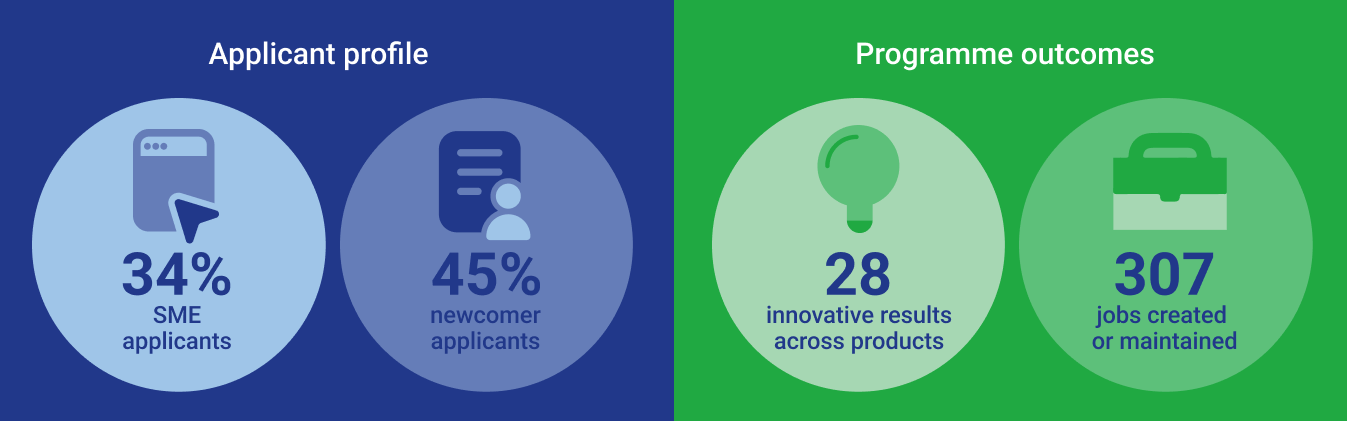
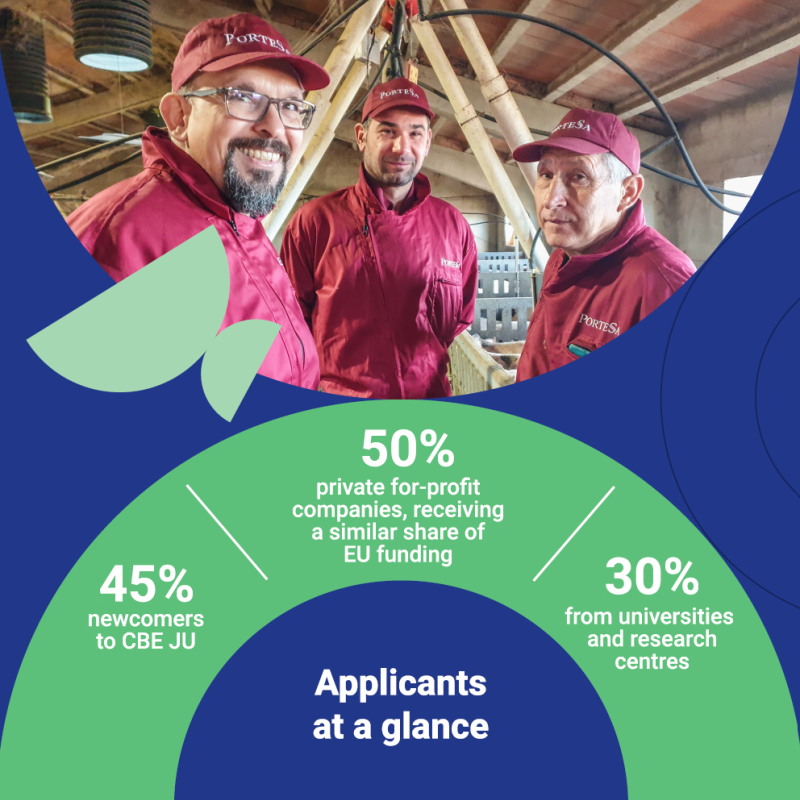
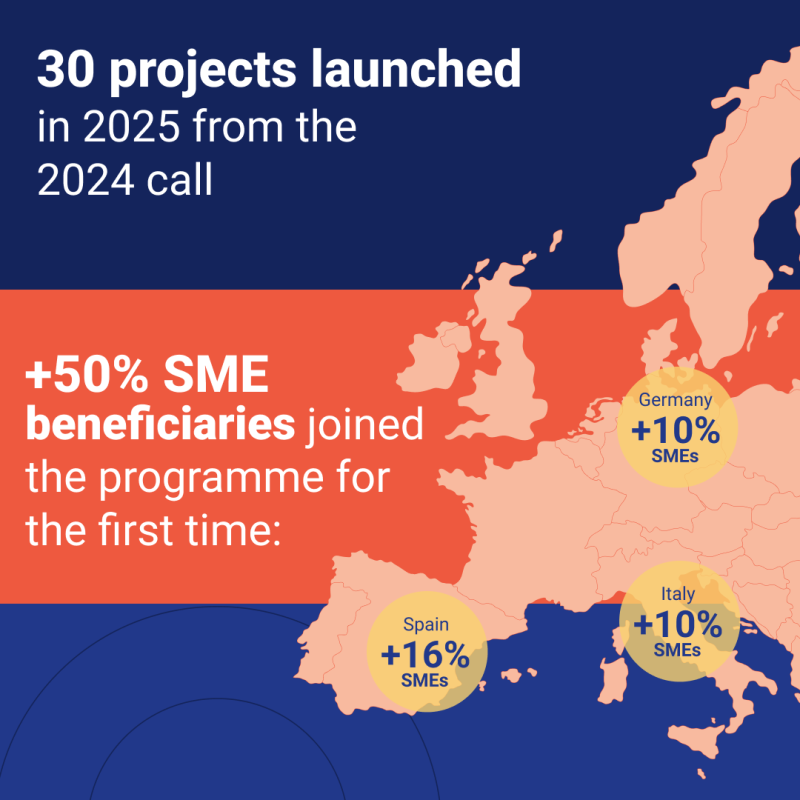
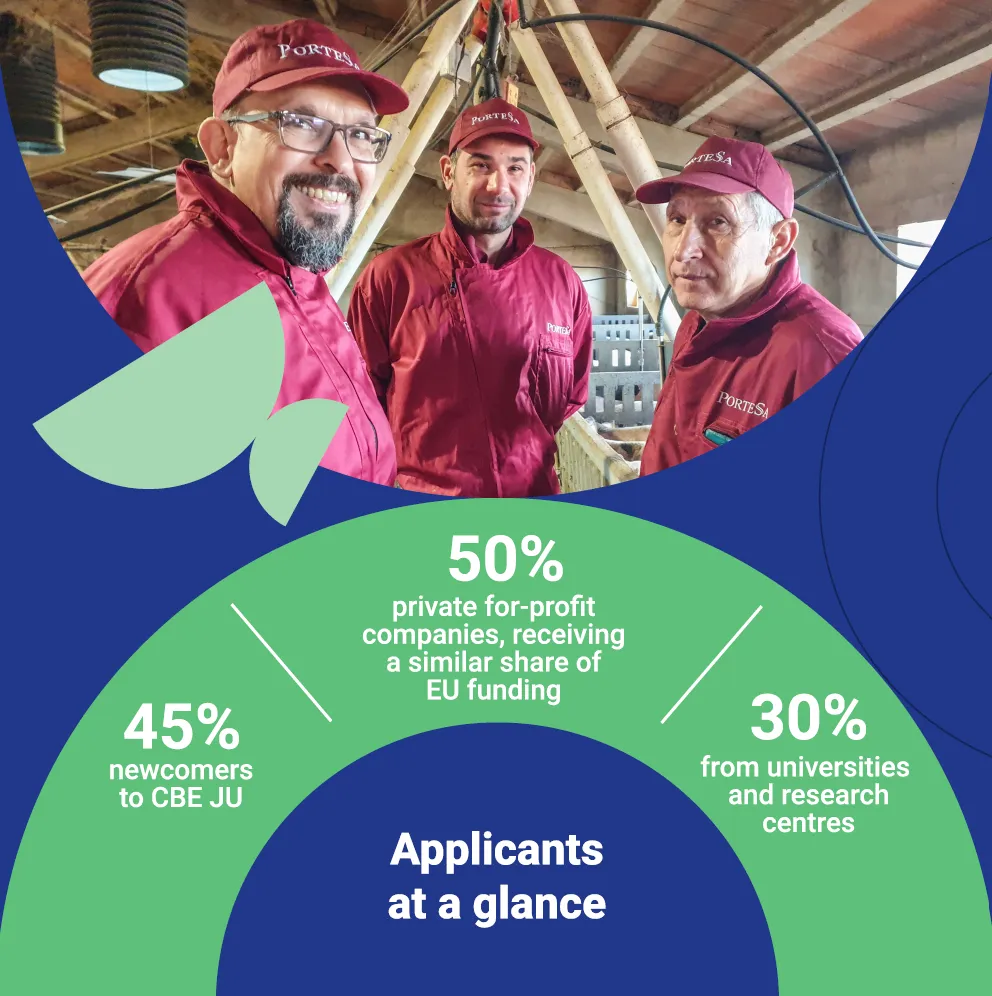
Small and medium-sized enterprises remained strongly represented, accounting for around one-third of all applicants. Newcomers made up 45% of applicants, showing that the programme continues to reach beyond its established community and attract new organisations ready to contribute to Europe’s circular bio-based transition.  

2025 highlights 4

Projects reaching scale across Europe

  1. Construction begins on SUSTAINEXT biorefinery in Hervás 

    The SUSTAINEXT project reached a major milestone as construction began on its new biorefinery in Hervás, Spain, marking an important step towards scaling up sustainable bio-based production. 

    Read more

  2. VIOBOND lays the foundations for Europe’s first commercial bio-based resin plant  

    In Riga, Latvia, the VIOBOND project completed the foundations for Europe’s first commercially viable bio-based resin plant, with an expected annual production capacity of around 45,000 tonnes.   

    Read more

  3. CERISEA breaks ground in Roussillon 

    The CERISEA project marked a key step forward in the construction of a new  bio-based molecule facility in Roussillon, France. Once operational, it will produce  up to 3,000 tonnes of 5-HMF per year for applications including resins, coatings  and plastics. 

    Read more

  4. AFTERBIOCHEM successfully completed 

    The AFTERBIOCHEM project was completed in April 2025, advancing the production of bio-based chemicals from the sugar beet industry’s side streams and helping to strengthen Europe’s circular bioeconomy. 

    Read more

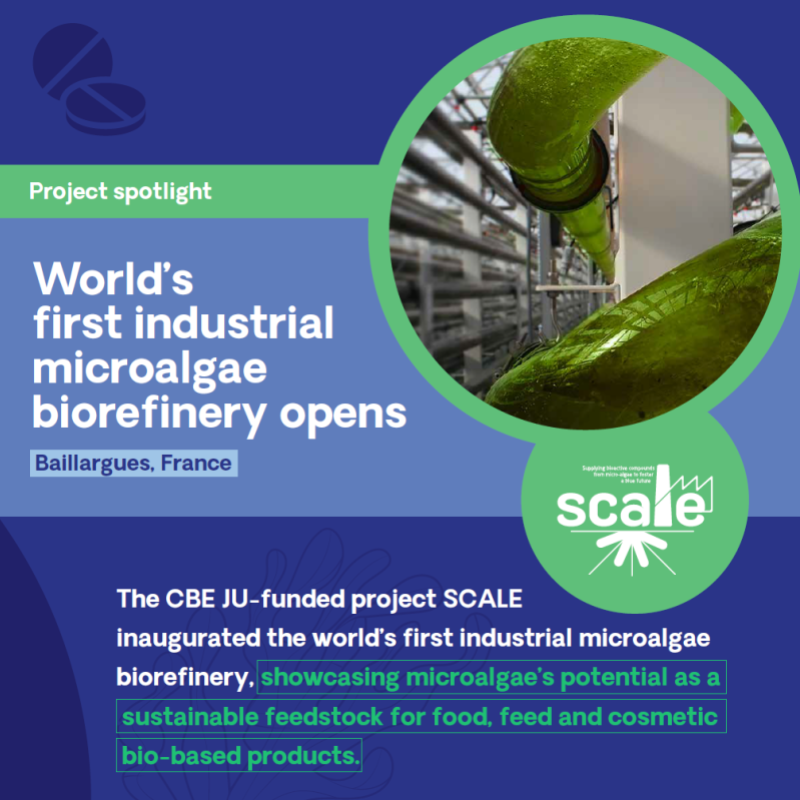
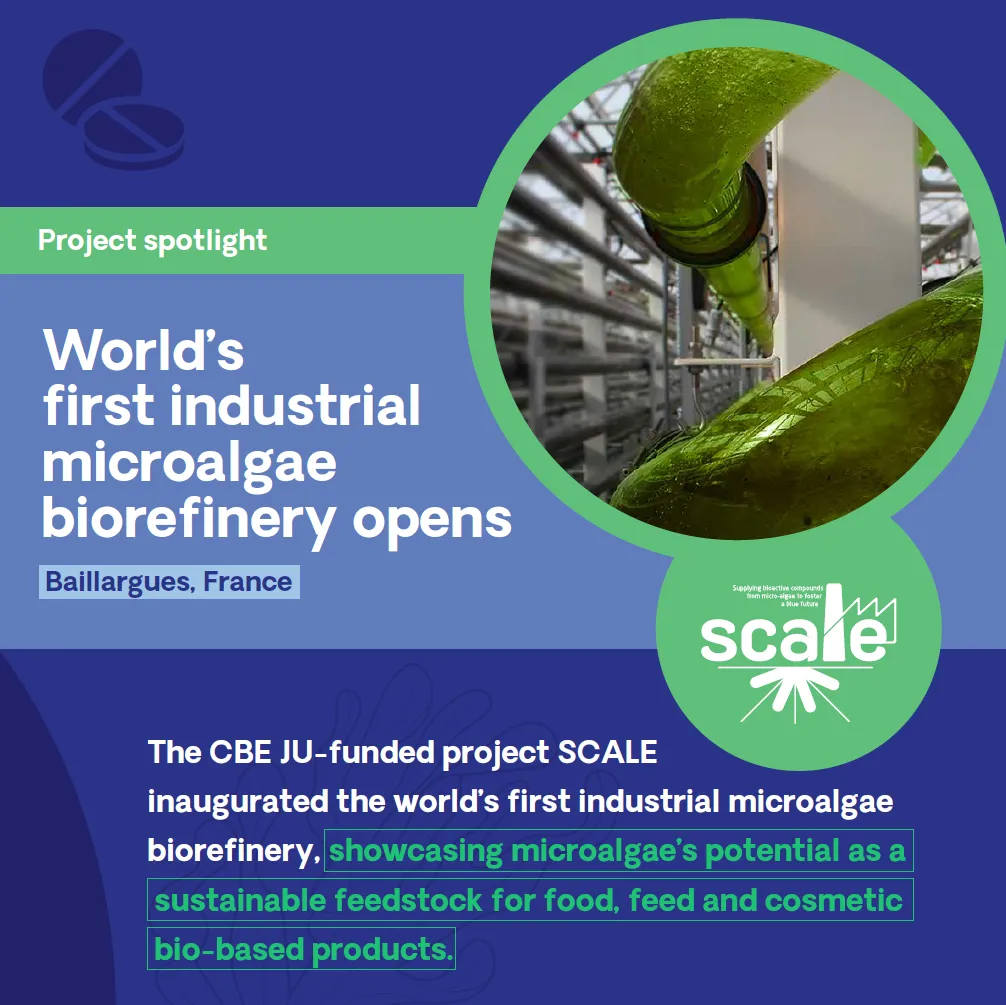
  5. World’s first industrial microalgae biorefinery opens 
in Southern France 

    The SCALE project opened the world’s first industrial microalgae biorefinery in Baillargues, Southern France, showcasing microalgae’s potential as a sustainable feedstock for food, feed and cosmetic bio-based products, such as youth elixirs for skin rejuvenation and cognitive supplements that support memory and learning. 

    Read more

  6. Rural BioReFarmeries secures funding for Irish pilot plant 

    Munster Technological University in Ireland secured additional funding from national sources to launch an upstream green biorefinery pilot plant in Ireland, with plans to open a downstream unit in summer 2026. 

    Read more

Transforming bio-based innovation into market value 

CBE JU-funded projects are helping bio-based innovation move closer to market, turning diverse feedstocks into applications with commercial potential while strengthening the scientific, technological and investment base behind Europe’s circular bio-based economy.  

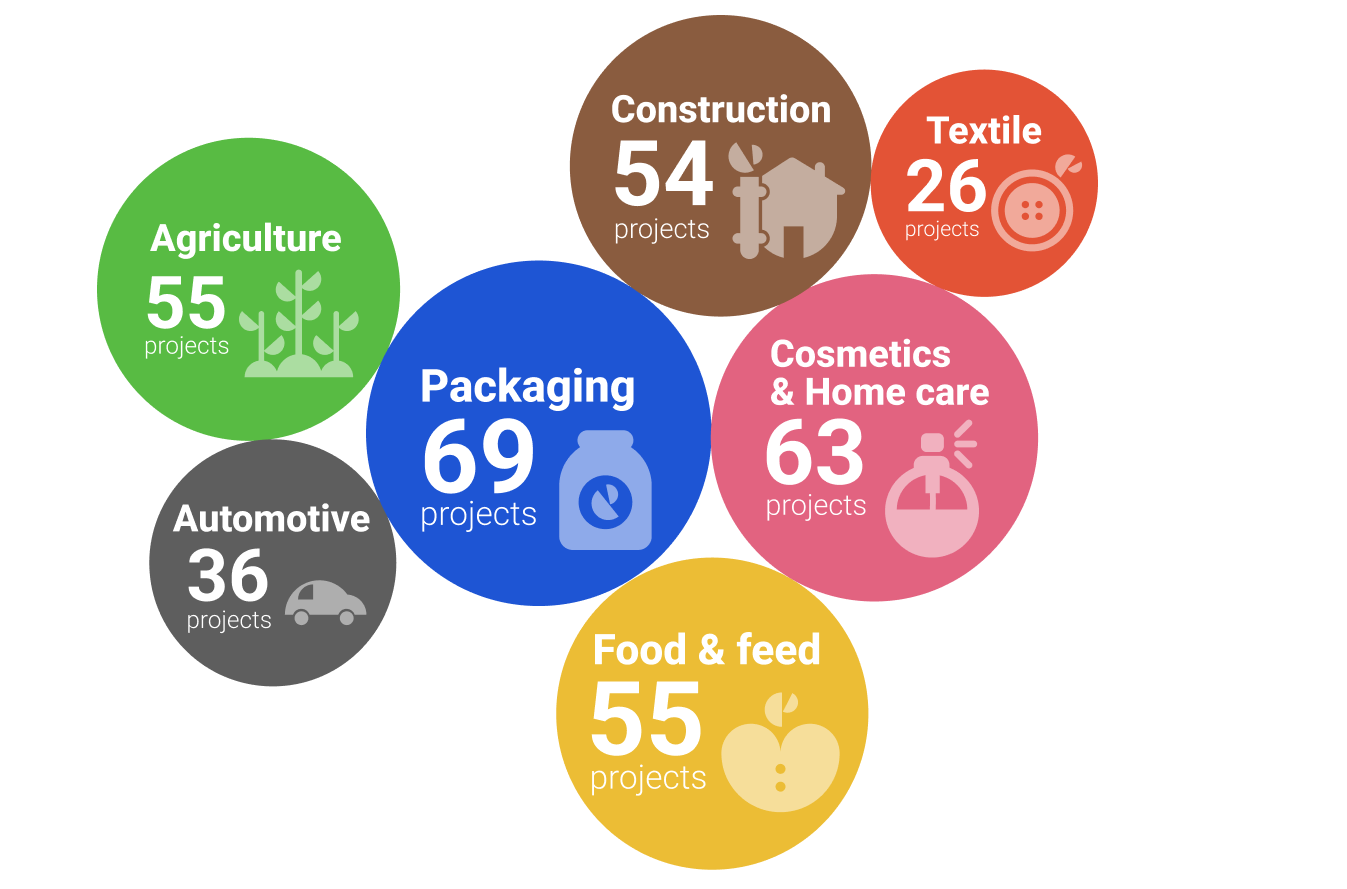
The CBE JU project portfolio spans seven major application areas, reflecting the extent of bio-based innovation supported by the programme. Packaging is the most represented area, followed by cosmetics & home care and food & feed. 

2025 highlights 8


In focus: CERNET, a demonstration project, focuses on converting biogenic gaseous carbon emissions, including CO₂ and methane, into chemicals and ingredients. The project will demonstrate this approach across three plants using emissions from wineries, waste treatment plants and bioethanol production. One of these demonstrators, located in Spain, will convert biogenic emissions into bioplastics, which will then be validated for packaging applications. 

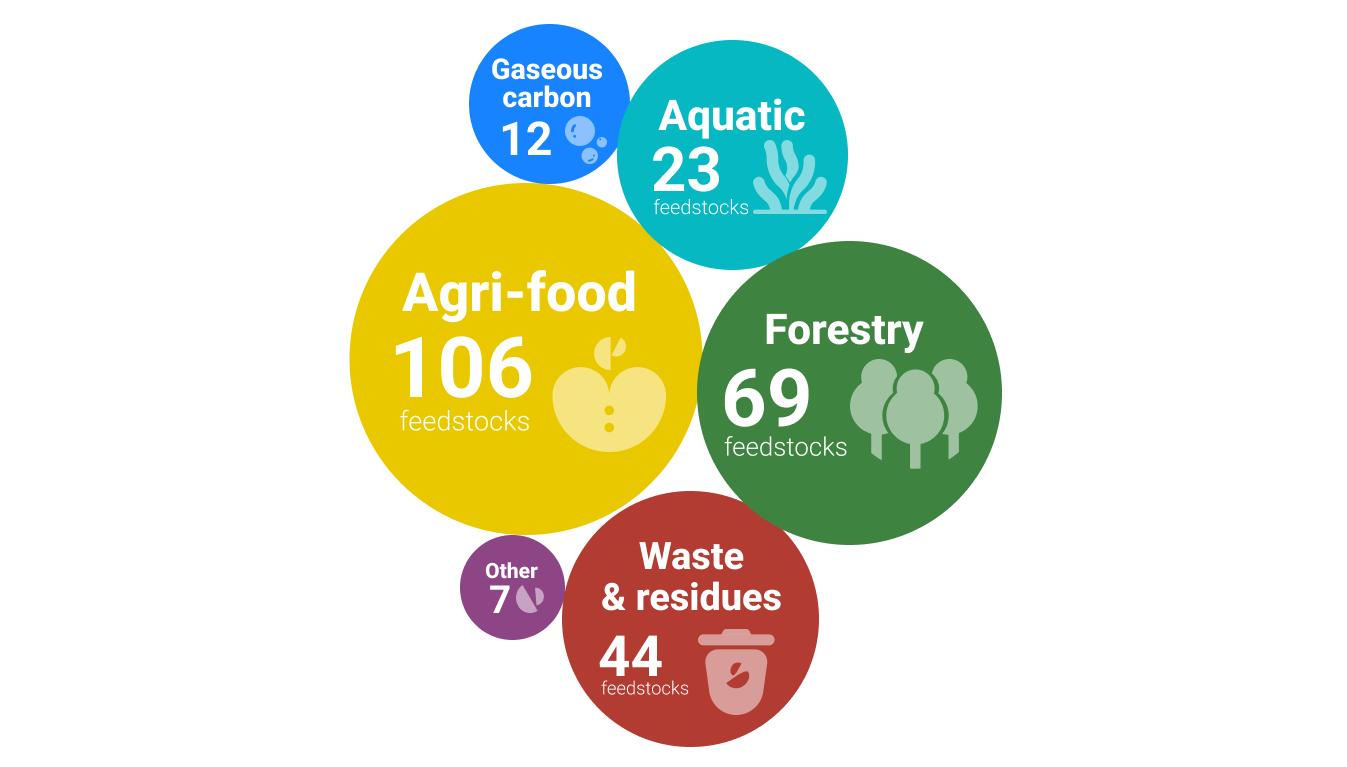
CBE JU projects convert five main types of feedstocks into bio-based ingredients, materials and products. Waste and residues are the most widely used feedstock category, with 44 projects working with these resources, helping increase Europe's strategic autonomy. 

2025 highlights 9

In focus: SOUL, also an Innovation Action Demonstration project, uses several feedstocks, including the organic fraction of municipal solid waste, as renewable resources for developing fully biodegradable bio-based plastics for agricultural applications, such as mulch films and tree shelters. These materials are designed to biodegrade in soil by avoiding ecotoxicity, microplastic accumulation and environmental impacts on soil quality and fertility, while also offering different  end-of-life options.

CBE JU and BBI JU projects continued to turn research into knowledge, intellectual assets and skills for Europe’s circular bio-based economy. Across the project portfolio, 37 new peer-reviewed publications were reported in 2025, helping strengthen the evidence base for bio-based innovation. Ongoing CBE JU projects are also investing in people. More than 1600 researchers (51.1% women and 48.9% men) were involved in upskilling activities, including training, mentoring and access to research and innovation infrastructure.  

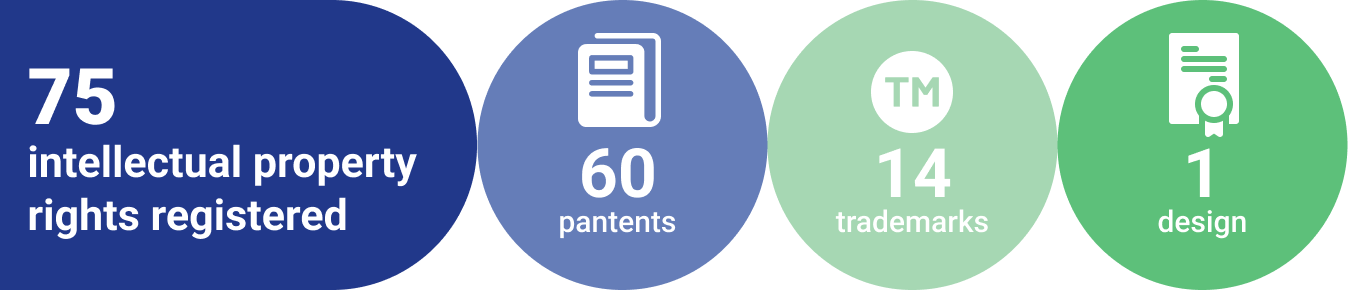
Between 2015 and 2025, BBI JU projects also obtained or registered 75 intellectual property rights, showing how project results are moving from research outputs towards protectable market value. 

2025 highlights 11

2025 highlights 12


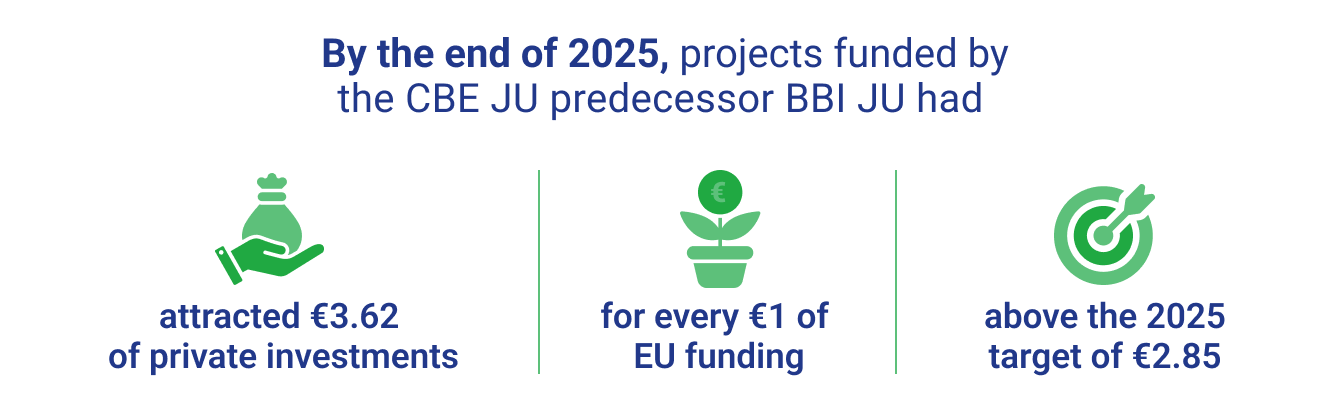
This result reflects the strong industry confidence underpinning the wider bio-based sectors supported by both BBI JU and its successor, CBE JU. It shows that the circular bio-based economy is not only contributing to Europe’s green objectives, but is also increasingly recognised as a clear market opportunity capable of attracting additional private financing and multiplying the impact of public funding. 

CBE JU support to applicants 

CBE JU 2025 Info Day in numbers

• 450 in-person participants  
• 1200 online viewers 
• 60% of participants are newcomers 
• 14% of attendees from less represented countries  

The CBE JU 2025 Info Day engaged 
over 1400 potential applicants, confirming continued interest in the programme. Most participants were newcomers, while networking remained strong, with close to 1000 on-site meetings and twice as many online meetings compared to 2024. 

Discover the 2025 info day

  • Wider participation: CBE JU implemented the Widening Participation Strategy Action Plan 2023–2024 and adopted a new country-focused Action Plan for 2025–2027. 
  • Smarter funding synergies: CBE JU published its Synergies Strategy, designed to help match innovation needs with the right funding at the right time. By combining EU, national and regional resources, the strategy supports the scale-up of industrial projects with strong local impact. 
  • Engaged primary producers: CBE JU launched a three-year working group on primary producers to ensure that farmers, foresters, fishers and aquaculture producers can actively shape circular bio-based systems and benefit from them. Around 80 primary sector representatives are actively engaged in the group, supporting efforts to increase their participation in the CBE JU programme. 


CBE JU-funded projects in the spotlight 

  1. POLYMER featured by the BBC

    The project was featured in a BBC article for its work turning brewers’ spent grain into circular bio-based products. The article brought international attention to the potential of food and brewing side streams as valuable resources. 

    Read more

  2. GoodByO showcased on Italian science programme Leonardo   

    The project was featured on Leonardo, the Italian scientific TV programme,  spotlighting its work to turn food-processing waste, biogenic CO₂ and bioprocess wastewater into sustainable bio-based products through microbial biorefinery processes. 

    Read more 

  3. SUSTAINEXT construction launch reaches Spanish media 

    The launch of the SUSTAINEXT biorefinery’s construction in Hervás attracted strong media attention in Spain, with coverage on national radio, regional TV and radio, and in El Español and El Economista

    Read more

  4. VIOBOND featured in Latvian national media  

    The VIOBOND project reached Latvian audiences through features in the weekly magazine Ir and on national TV evening news, following progress on its pioneering bio-based resin plant. 

    Read more

  5. EUCYS bioeconomy prize winner gains national attention 

    Evita Mārtinsone, winner of the EUCYS 2025 bioeconomy prize, was featured in Latvian national TV evening news and Ir magazine, bringing visibility to the next generation of bioeconomy innovators.

    Read more