Helena Vieira – University of Aveiro/CESAM
Publication date:
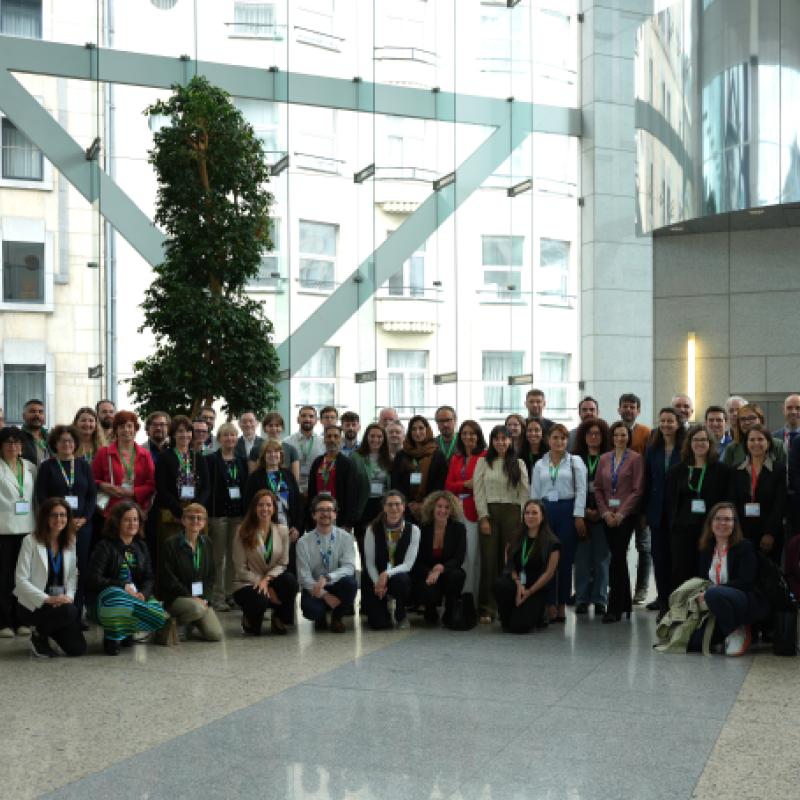
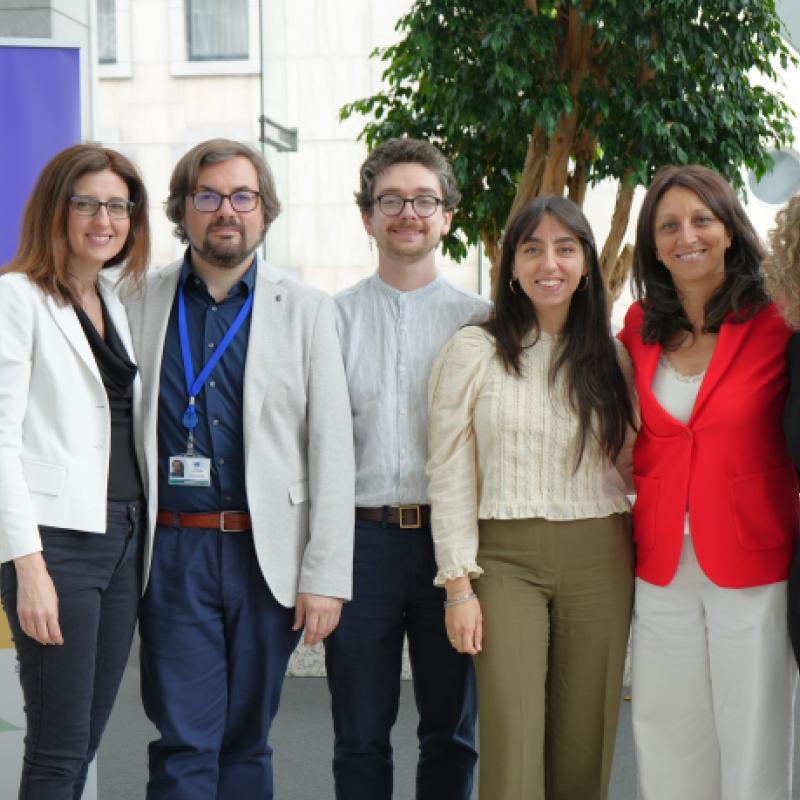
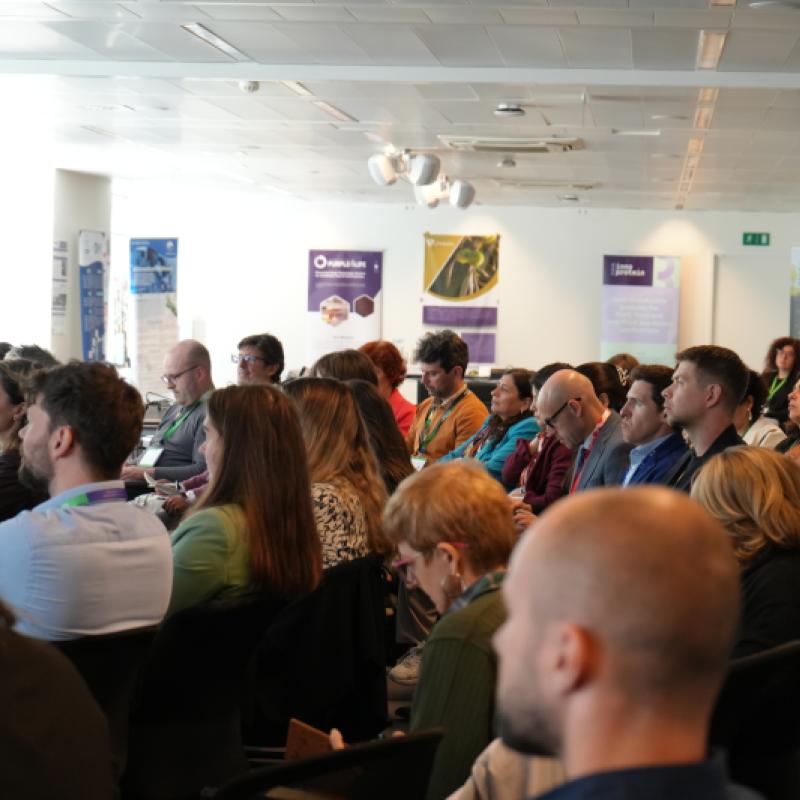
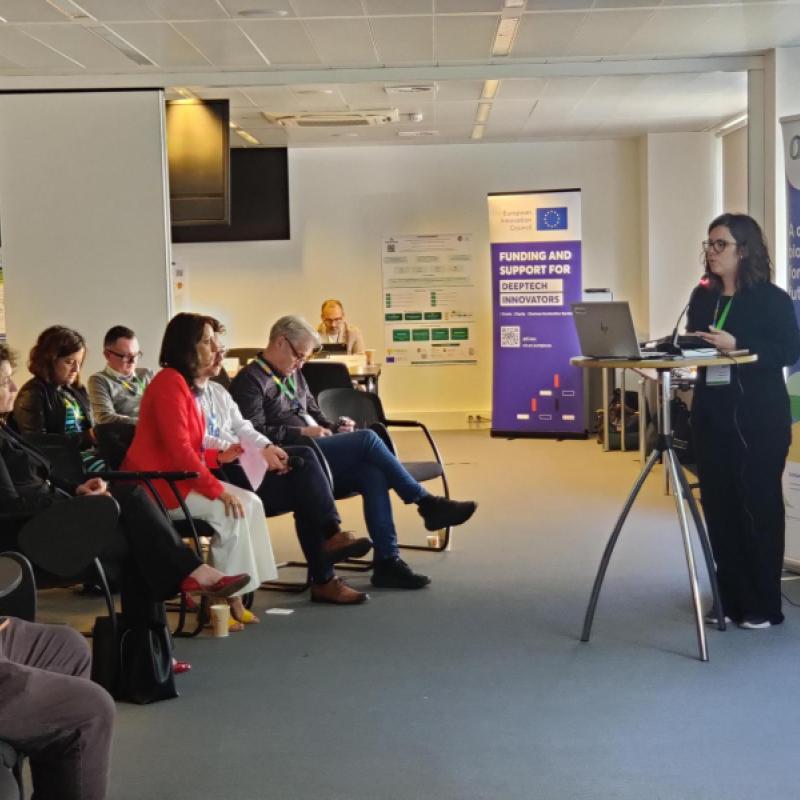
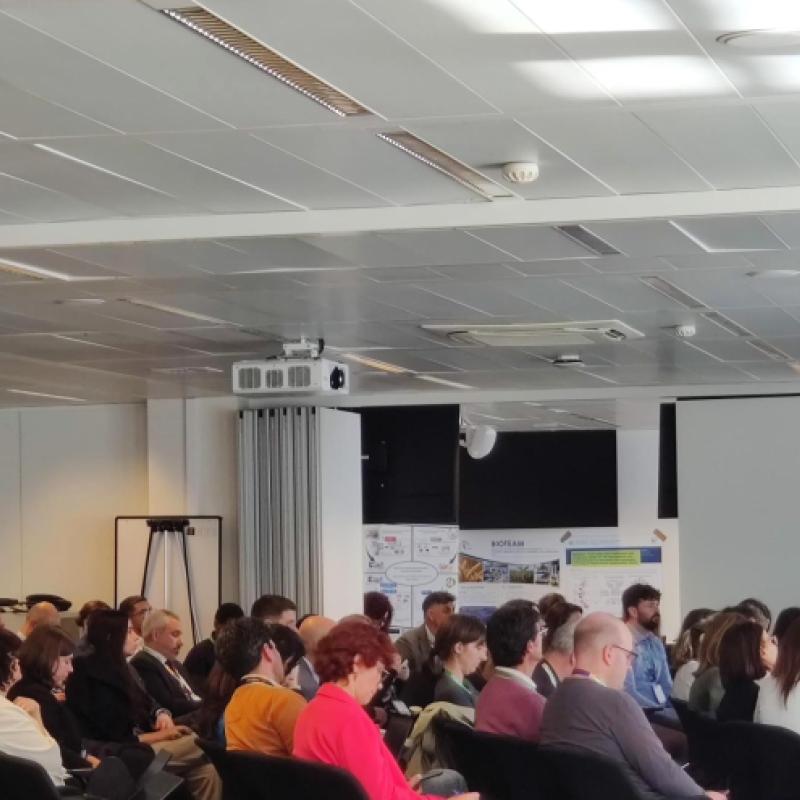
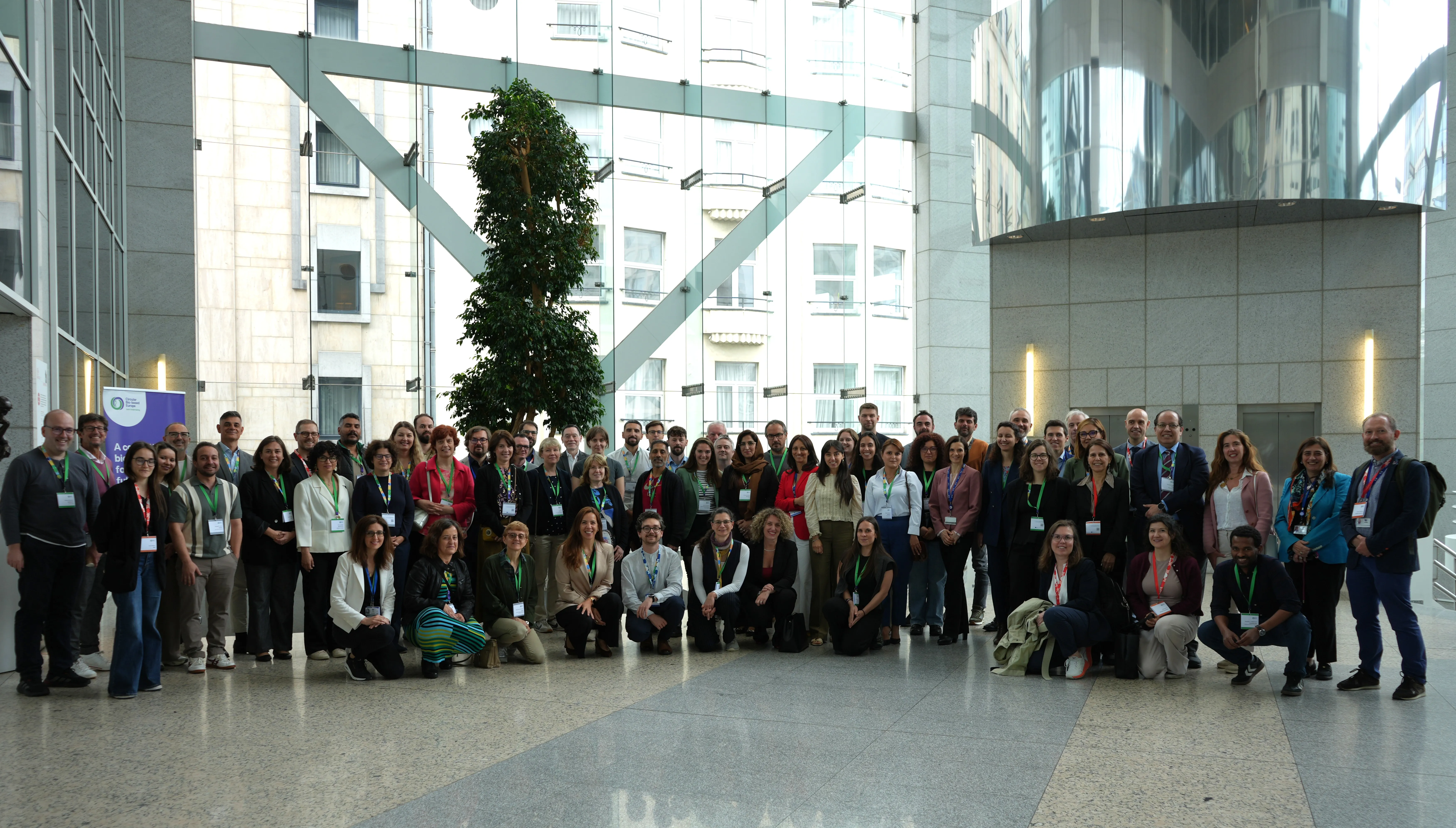
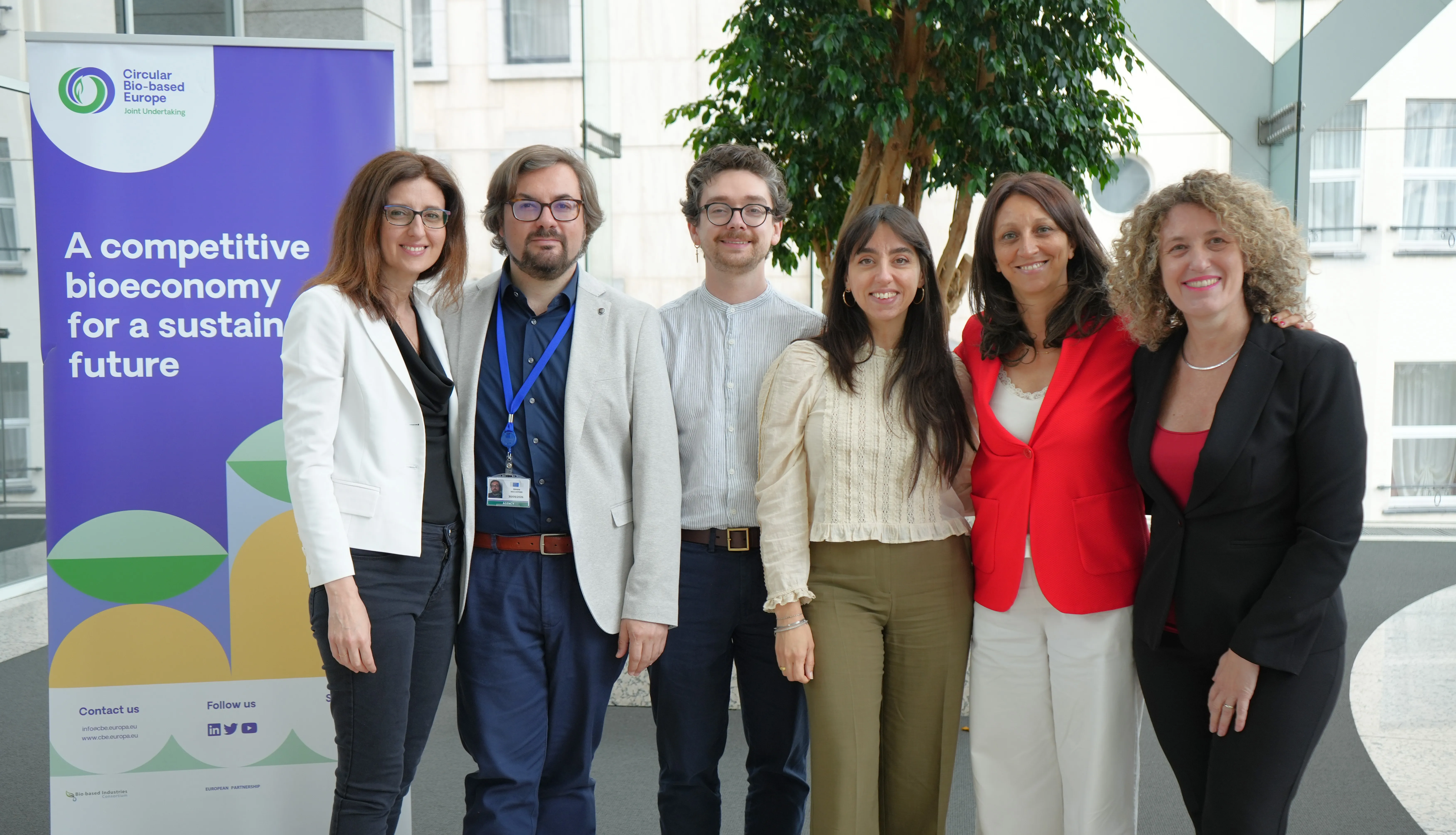
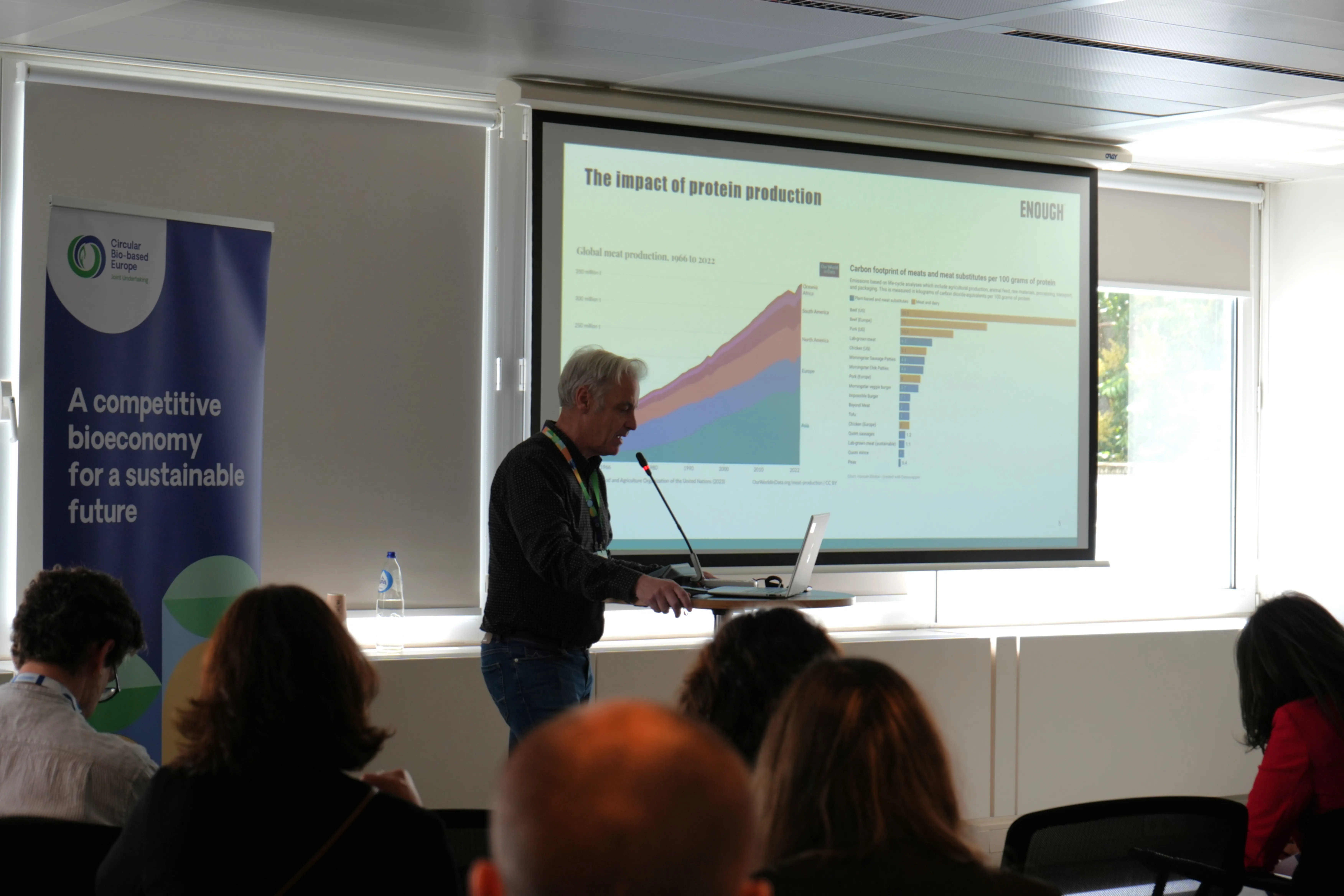
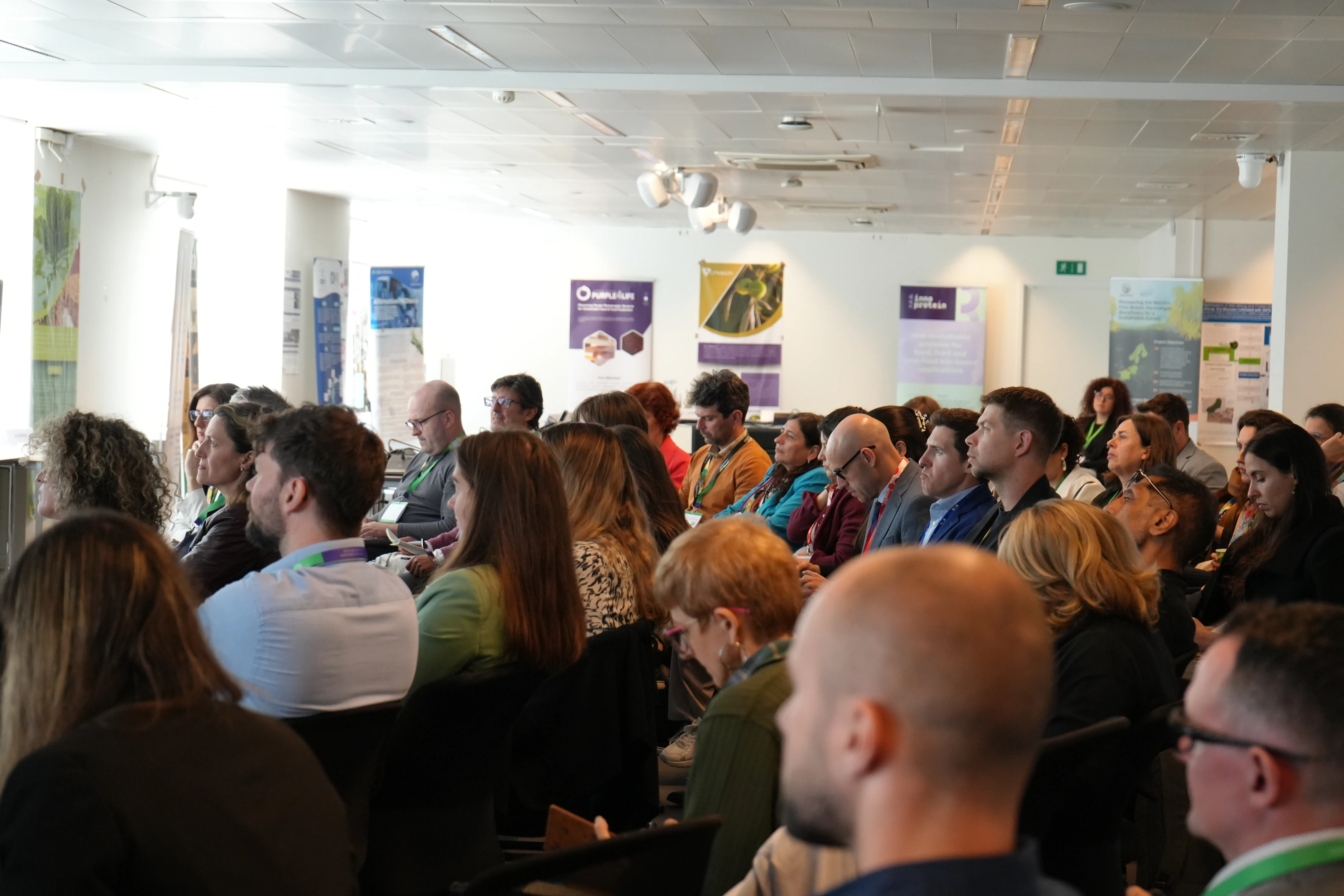
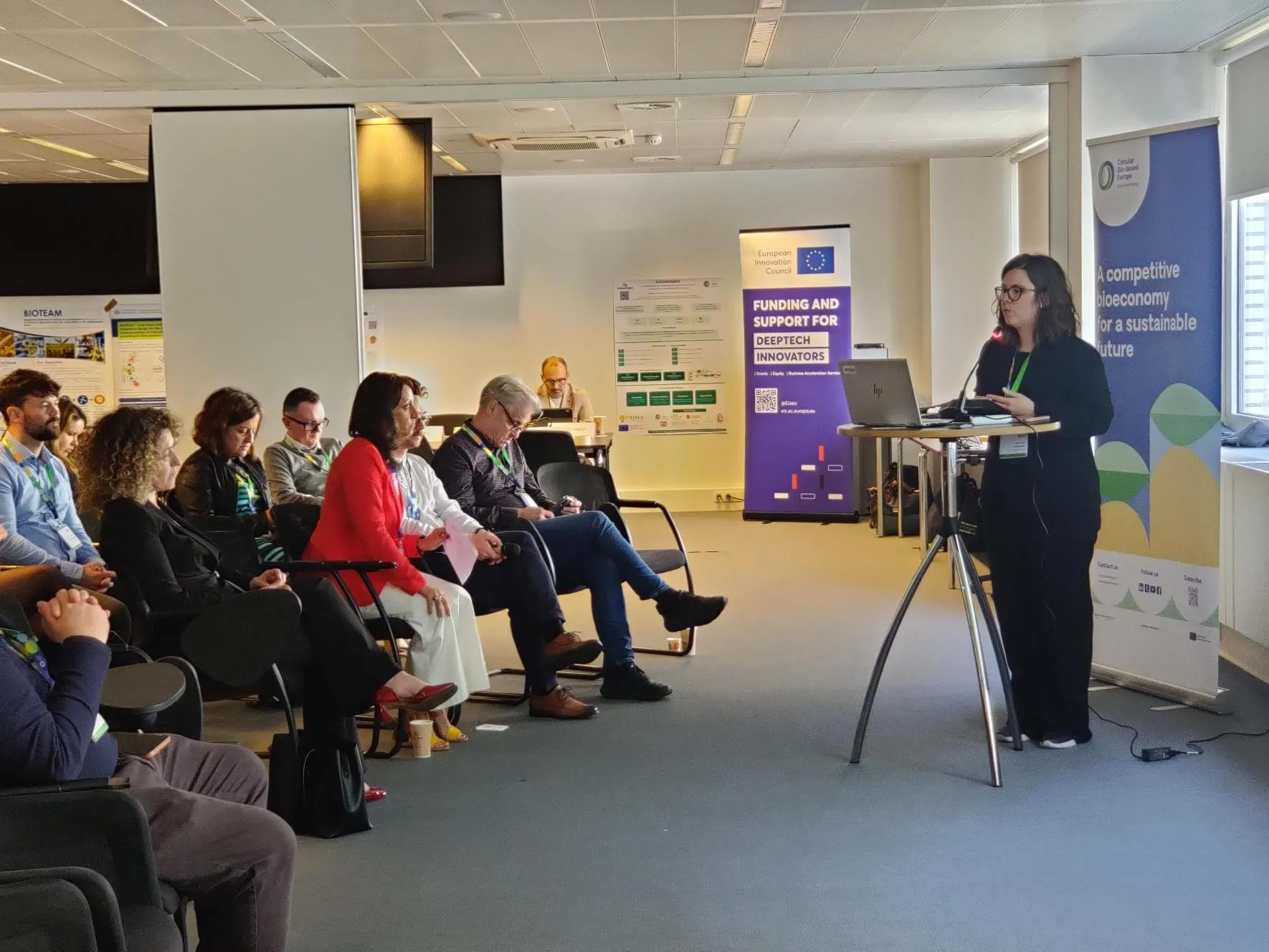
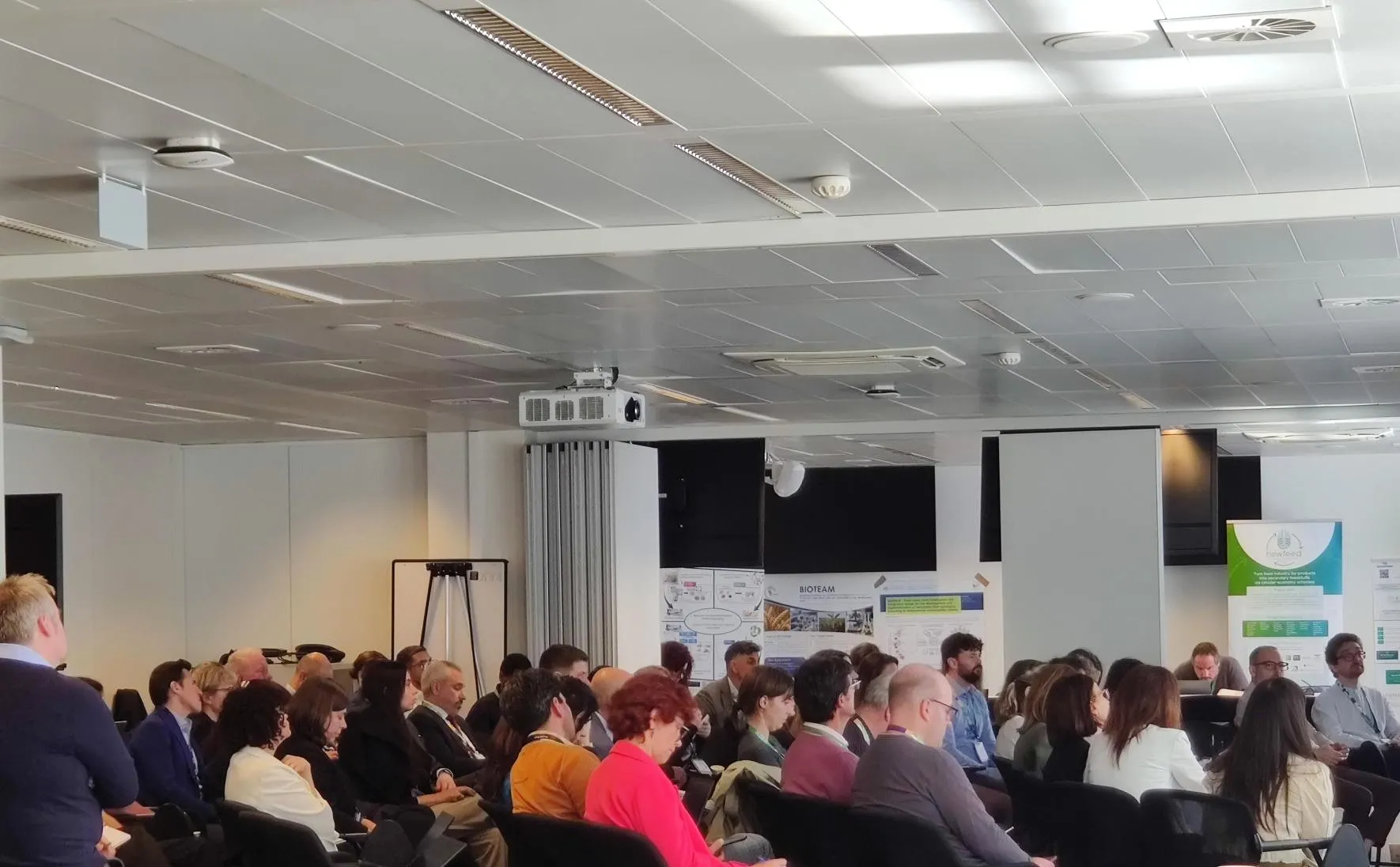
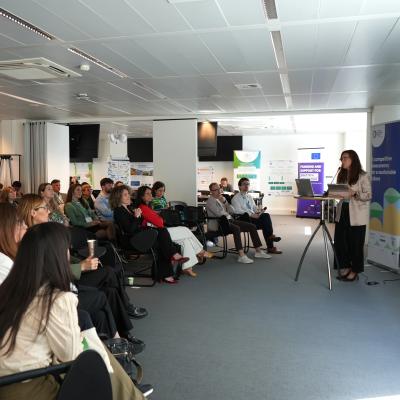
Today, CBE JU held its annual project cluster workshop, dedicated this year to projects developing bio-based solutions for the food, feed and nutraceutical sectors. Around 60 participants, including bio-based industries researchers, European Commission officials and key stakeholders from across the bio-based sector, gathered in Brussels to present and discuss the opportunities and challenges related to scaling up innovation in this area of applications.
With food and feed ingredients representing one fifth of the CBE JU project portfolio, the workshop explored the latest advances in the production of bio-based ingredients and offered participants a valuable opportunity to exchange knowledge and explore synergies across projects funded by CBE JU, Horizon Europe and other European funding instruments.
The event was structured around three thematic sessions and the discussions resulted in several key outcomes:
Identification of the main challenges associated with bringing novel food and feed ingredients to market, particularly related to regulatory pathways such as the Novel Food Regulation and Feed Additives legislation.
Recognition of broader barriers to market uptake, including consumer acceptance, investment needs and industrial scale-up.
Emphasis on the need for enabling regulatory frameworks and strengthened cooperation between innovators, industry, policymakers and regulatory authorities to support the deployment of bio-based solutions.
Pioneering innovation across the bio-based food and feed value chains
The first session provided an overview of the projects developing sustainable food and feed ingredients from agricultural, aquatic and other biological resources, including innovative solutions based on biogenic Co₂.Flagships projects like SUSTAINEXT and RUNFASTER4EU together with UP4HEALTH, PURPLE4LIFE and INNOPROTEIN presented their innovative technologies and processes aimed at creating high-value ingredients and supporting the transition towards more sustainable food systems, while also improving resource efficiency and overall production processes. Discussions focused on the scalability of emerging solutions, the importance of cross-sector collaboration and the role of innovation in strengthening Europe’s resilience and strategic autonomy in food and feed production.
Unlocking the potential of aquatic feedstocks
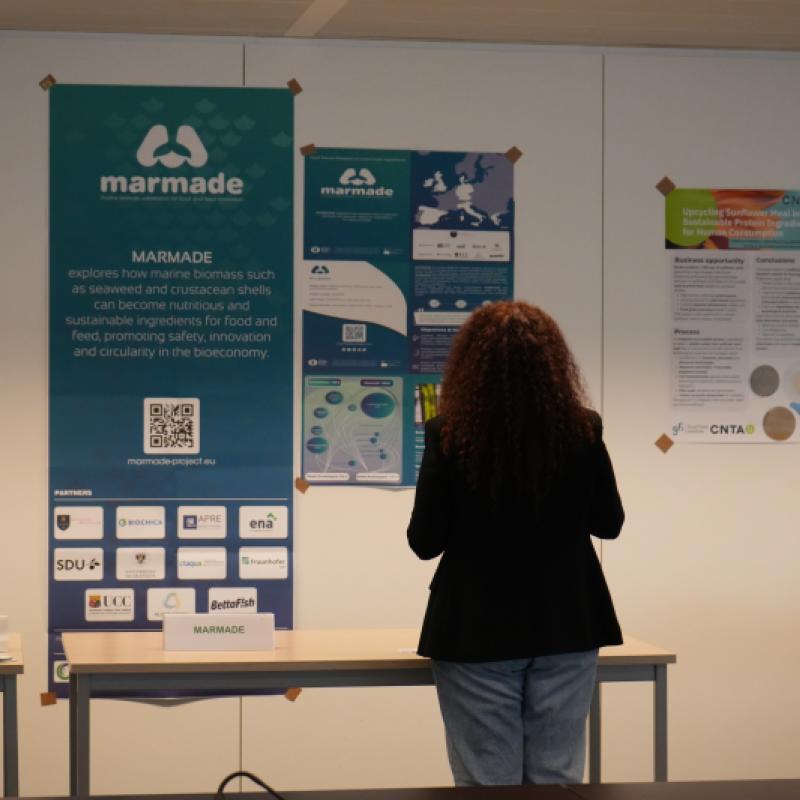
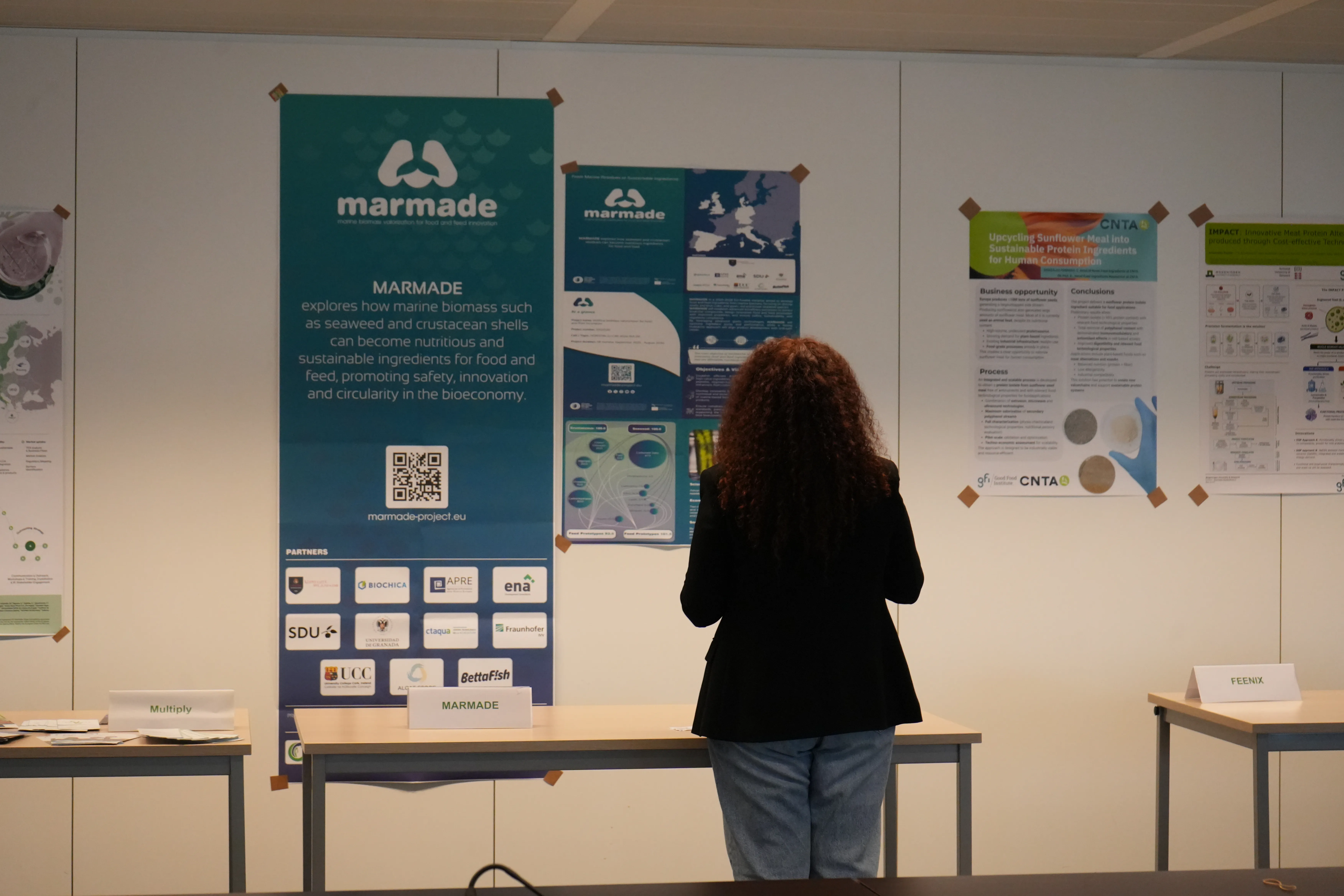
With a range of innovative opportunities arising from aquatic biomass and marine resources, this session highlighted the versatility of algae and other marine-derived biomass, together with the importance of developing integrated and circular value chains capable of meeting future market demand. Representatives from PROTEUS, MULTIPLY, ALLIANCE, CLEANALGAE2VALUE and MARMADE presented their latest developments and discussed how aquatic feedstocks can contribute to sustainable ingredient production while reducing pressure on terrestrial resources.
Alternative proteins take centre stage
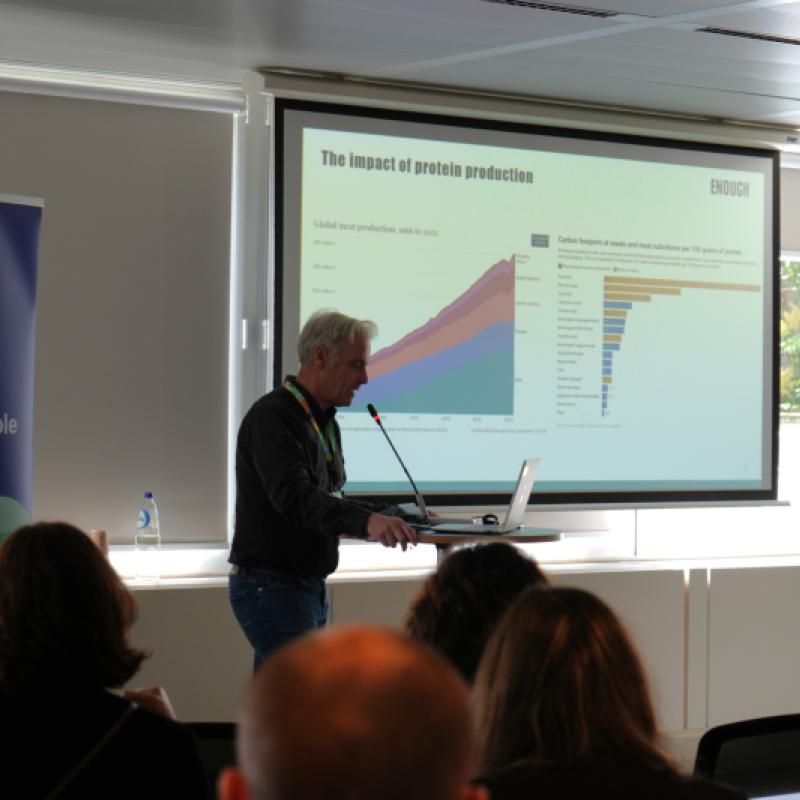
The afternoon sessions focused on one of the fastest-growing areas of the bioeconomy: alternative proteins. PLENITUDE, RURAL BIOREFARMERIES, ZEST and MYCOSTRUCT presented a range of approaches for producing sustainable protein ingredients from novel feedstocks and bio-based processes. Also, SYNOPROTEIN, UNICO2RN, ALEHOOP, PROMISEANG and PROSCALE showcased innovations spanning microbial proteins, circular bioprocesses and new pathways for valorising biological resources into high-value food and feed applications. Discussions highlighted the strong potential of alternative proteins to contribute to sustainable food systems while tackling environmental challenges and responding to consumer demands.
Strengthening collaboration across the European bioeconomy community
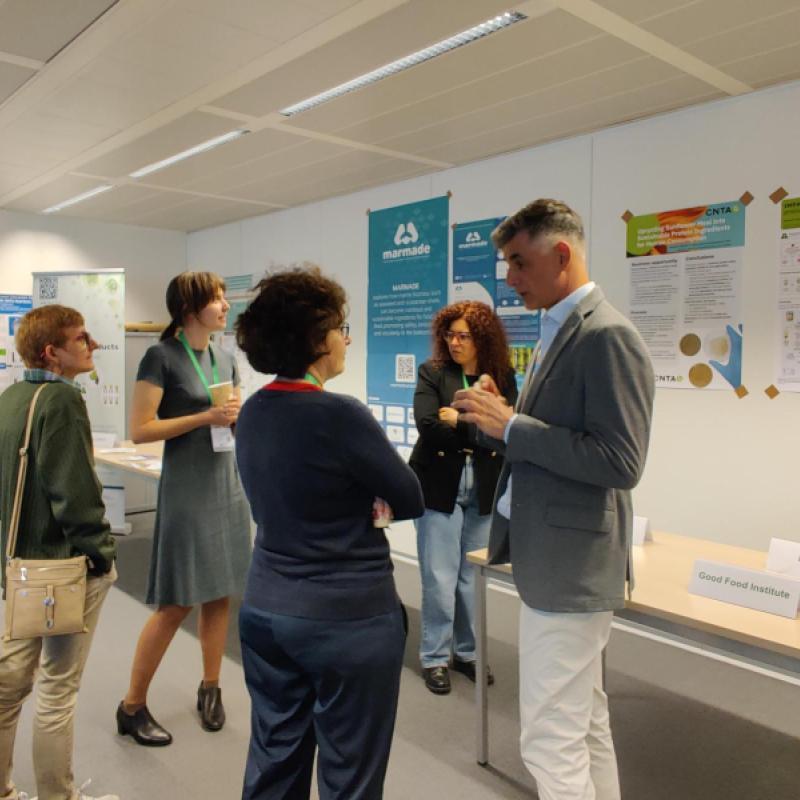
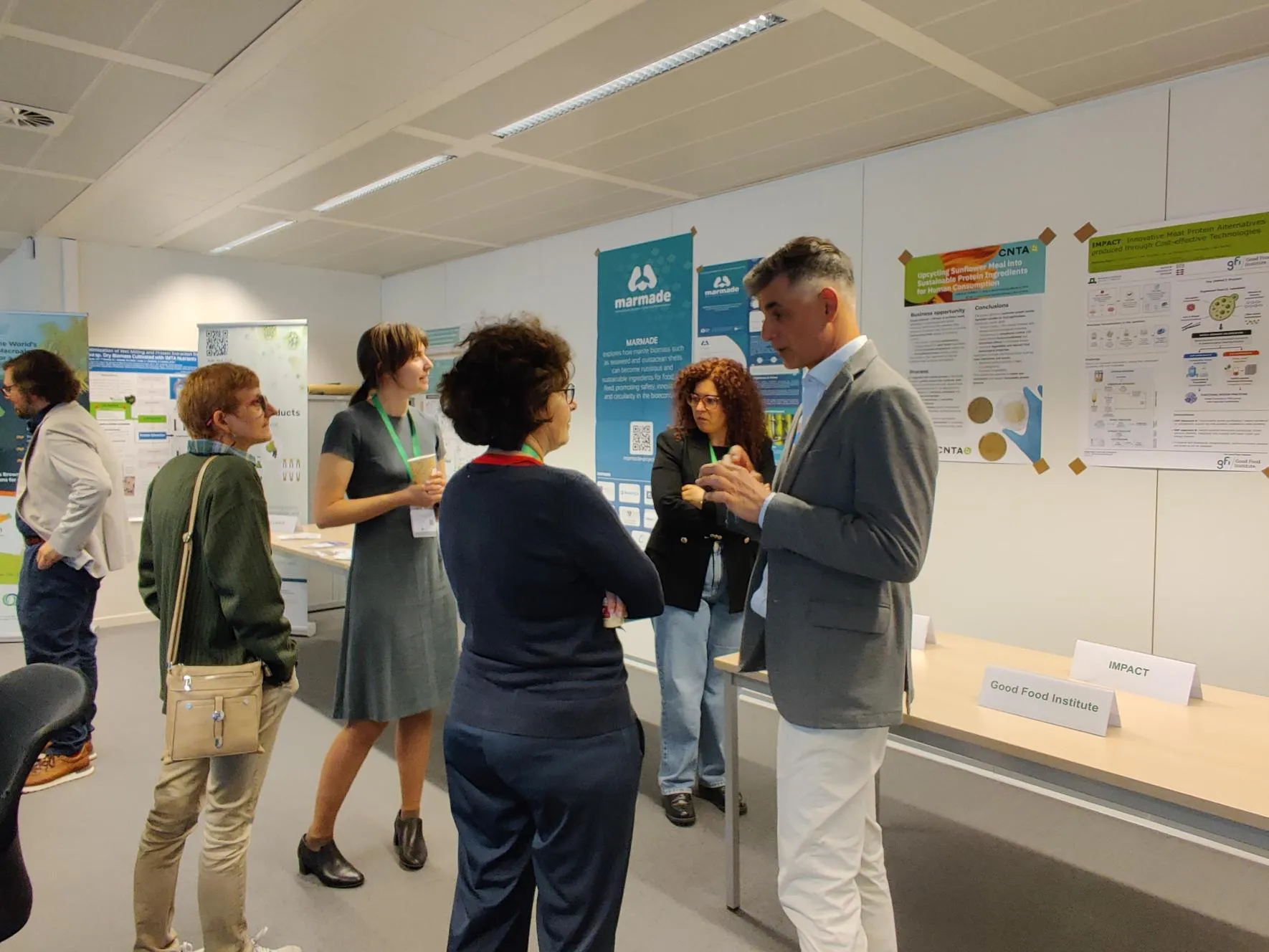
This initiative brought together 19 CBE JU funded projects and 18 projects from different parts of Horizon Europe programme, including Cluster 6, the EIC, PRIMA and the Sustainable Blue Economy Partnership as well as the Good Food Institute. Throughout the day, participants had the chance to connect, share experiences and identify potential collaborations during the exhibition and networking session. European Commission representatives and the Bio-based Industries Consortium also contributed to the conversation.
The workshop showcased the dynamism of Europe's bio-based food and feed innovation landscape and the growing maturity of solutions being developed across Europe. By bringing together projects working across different feedstocks, technologies and value chains, it reinforced the importance of collaboration in accelerating the transition towards more autonomous and resilient food and feed systems. The exchanges underlined the importance of supportive regulatory frameworks and strong collaboration between innovators, industry and policymakers, while also helping to identify knowledge gaps and emerging priorities to inform future European research and innovation programmes.
CBE JU will continue to organise similar workshops, strengthening collaboration in key strategic areas of the bioeconomy.
CBE JU projects' cluster workshop on food & feed
(8) medias