FRESH
FRESH - Fully bio based and bio degradable ready meal packaging
FRESH - Fully bio based and bio degradable ready meal packaging
Ready meal consumption has grown in Europe in the last decades, reaching 6.5 billion and still increasing. Their packaging creates vast quantities of waste that often go to landfills.
The FRESH project demonstrated an innovative, cellulose-based alternative to existing fossil-based plastic trays. This alternative is a fully bio-based and biodegradable composite material.
The project delivered a full value chain that demonstrated the techno-economic viability (including customer satisfaction) of a 100% bio-based and 100% biodegradable alternative made from an innovative cellulose-based composite using a new lamination technology.
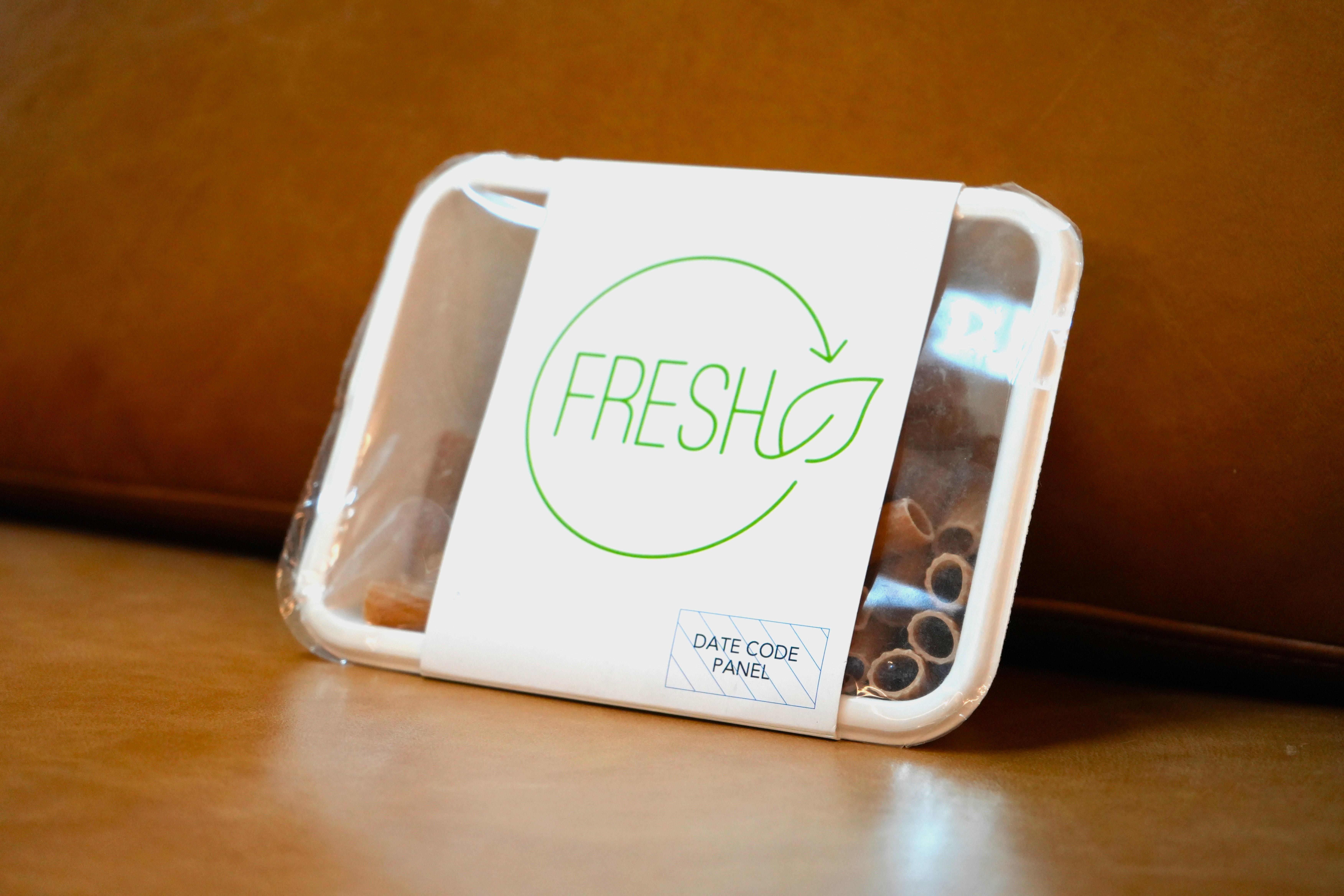
Sustainable packaging development: demonstrate an innovative cellulose-based packaging composite as a fully bio-based and biodegradable alternative to PET/CPET ready-meal trays.
Food safety and material composition: deliver a food-safe, GMO-free product made entirely from bio-based and biodegradable materials.
Lightweight packaging design: develop trays that are 10% lighter than conventional fossil-based PET alternatives.
Technical performance and environmental benefits: achieve technical and functional properties equal to or better than PET trays, while reducing lifecycle CO₂ emissions by more than 80% compared with competing fossil-based packaging.
New markets and industrial competitiveness: open up new applications and markets while strengthening the competitiveness of Europe's pulp, board and paper industries.
Employment and replication potential: demonstrate the potential for job creation in rural areas and the wider replication of the technology across Europe.
Results
First compostable ready-meal tray: launched the first home-compostable ready-meal tray in May 2019, providing a fully bio-based and biodegradable alternative for food packaging.
Reduced environmental footprint: achieved a 60% reduction in the product's environmental footprint over its full lifecycle compared with black plastic packaging.
Performance comparable to conventional packaging: demonstrated functionality and technical performance comparable to established CPET trays.
Scale-up and market recognition: expanded the pilot production line to respond to market demand, supporting job creation and earning the award of Bio-based Material of the Year in 2020.
Impacts
Reduced plastic consumption: avoided the use of nearly 200 tonnes of plastic over 42 months and attracted more than 200 enquiries from organisations worldwide interested in exploring new applications of the technology.
Environmental and economic benefits: helped reduce the volume of packaging waste sent to landfill, supported job creation and broadened the range of fibre-based alternatives to conventional plastics.
Contribution to policy objectives: supported the goals of the EU Bioeconomy Strategy and the UN Sustainable Development Goals, while promoting health, safety and equal opportunities.
Greater awareness of sustainability: raised awareness of the environmental, social and economic value of sustainable packaging through coverage in local publications and participation in official events.